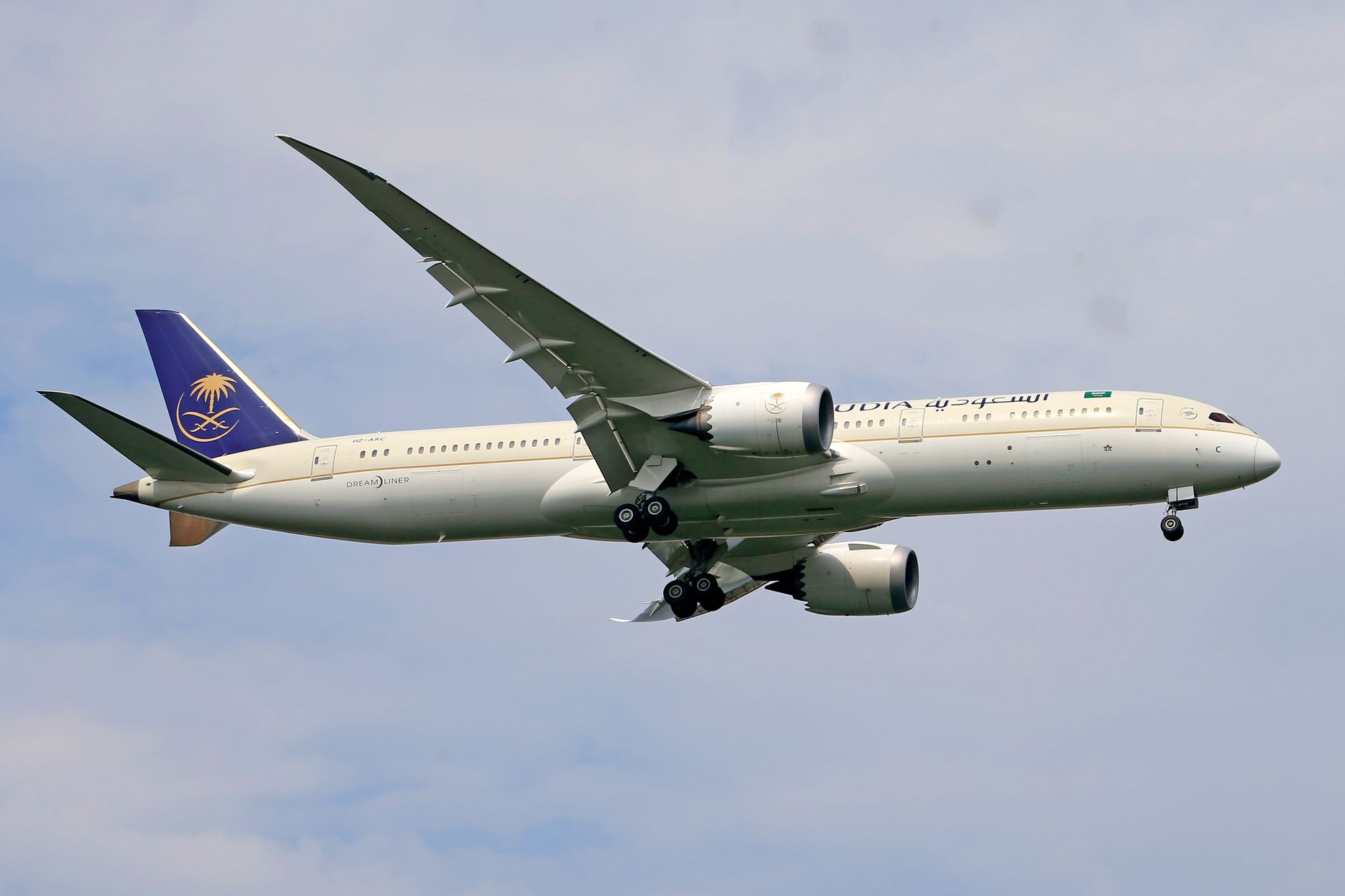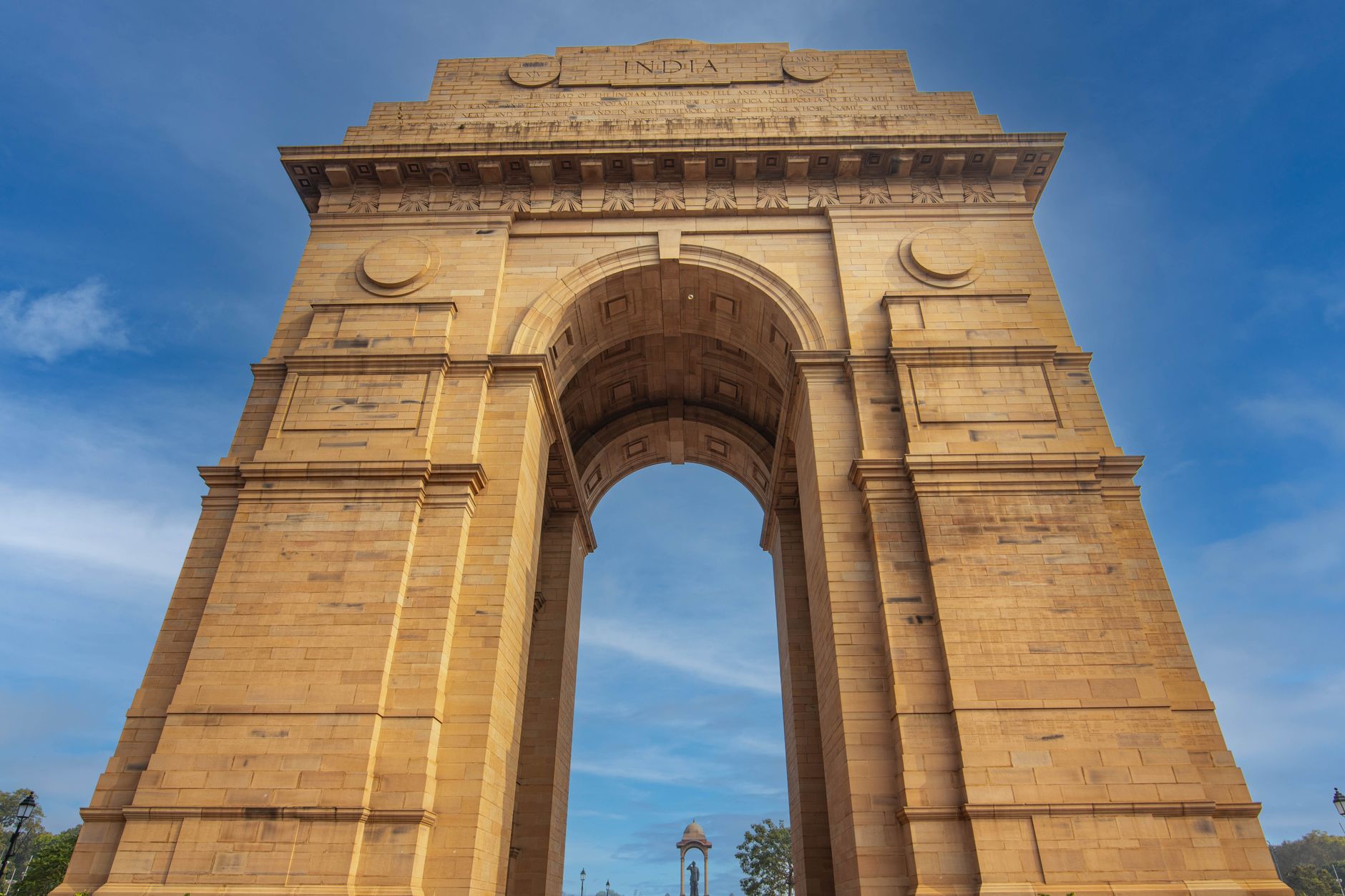
The Indian aviation and tourism sectors have witnessed a significant development with Air India and the Ministry of Tourism joining hands through a formal Memorandum of Understanding. This strategic partnership aims to strengthen India's position in the global tourism market while enhancing connectivity and travel experiences for both domestic and international passengers.
Understanding the Partnership
A Memorandum of Understanding between a national carrier and the tourism ministry represents more than just a ceremonial agreement. It signals coordinated efforts to align aviation policies with tourism promotion strategies, creating a seamless ecosystem that benefits travelers, the airline, and the broader tourism industry.
Air India, now under the Tata Group's ownership since 2022, has been undergoing significant transformation with fleet modernization, improved services, and expanded route networks. This partnership with the Tourism Ministry comes at a crucial time when India is positioning itself to welcome more international visitors and boost domestic tourism.
Key Areas of Collaboration
The collaboration between Air India and the Ministry of Tourism typically encompasses several strategic dimensions:
- Joint marketing initiatives to promote India as a preferred tourist destination in international markets
- Development of special tourism packages combining flights with hotel stays and sightseeing
- Enhanced connectivity to tier-2 and tier-3 cities with significant tourism potential
- Participation in international travel fairs and tourism promotion events
- Training programs for airline staff on promoting Indian tourism destinations
- Data sharing to identify emerging travel trends and underserved routes
Impact on Travelers
For the average traveler, such partnerships translate into tangible benefits. Expect to see more attractive bundled packages that combine airfare with accommodation and experiences, often at competitive prices. The focus on improving connectivity to lesser-known destinations means travelers will have easier access to offbeat locations that were previously difficult to reach.
Air India's expanding international network, coupled with the Tourism Ministry's promotional efforts, could also mean better flight schedules, increased frequency on popular routes, and potentially more competitive pricing as tourism volumes grow.
Boosting Regional Tourism
One of the significant advantages of such collaborations is the attention brought to regional tourism circuits. India has numerous UNESCO World Heritage Sites, national parks, hill stations, and cultural centers that remain underexplored due to connectivity challenges. By coordinating route planning with tourism priorities, Air India can introduce or strengthen services to these destinations.
States with rich cultural heritage or natural beauty but limited air connectivity stand to gain substantially. This could include destinations in Northeast India, parts of Madhya Pradesh, Chhattisgarh, and smaller cities in Rajasthan and Gujarat that house magnificent historical sites.
The Timing Factor
This partnership comes at a strategic moment for Indian tourism. After the pandemic-induced slowdown, the sector has been recovering strongly. International tourist arrivals have been increasing, and domestic tourism has shown remarkable resilience. The government has set ambitious targets for tourism's contribution to GDP and employment generation.
Air India's fleet expansion plans, including orders for hundreds of new aircraft, align well with the need for increased capacity to handle growing tourist traffic. Modern aircraft also mean better passenger comfort, improved reliability, and access to new destinations that couldn't be served economically with older fleets.
Challenges Ahead
While the partnership holds promise, success depends on execution. Coordination between government departments and private entities requires sustained effort and clear communication channels. Pricing strategies must remain competitive, infrastructure at tourist destinations needs continuous improvement, and the quality of tourism services must meet international standards.
Airport infrastructure at smaller cities, ground transportation, accommodation standards, and tourist safety are all factors that determine whether increased air connectivity translates into successful tourism growth.
Looking Forward
For travelers, this development is worth watching. Keep an eye out for new routes announced by Air India, especially to destinations with tourism significance. Special promotional fares and packages developed under this partnership could offer excellent value for those planning trips.
The collaboration also reflects a broader trend in Indian aviation and tourism working in tandem rather than in isolation, which should ultimately result in better experiences and more choices for travelers.
This article is for general information purposes only. Travel plans should be made based on current airline schedules, pricing, and personal requirements. Always verify specific details with airlines and tour operators before making bookings.