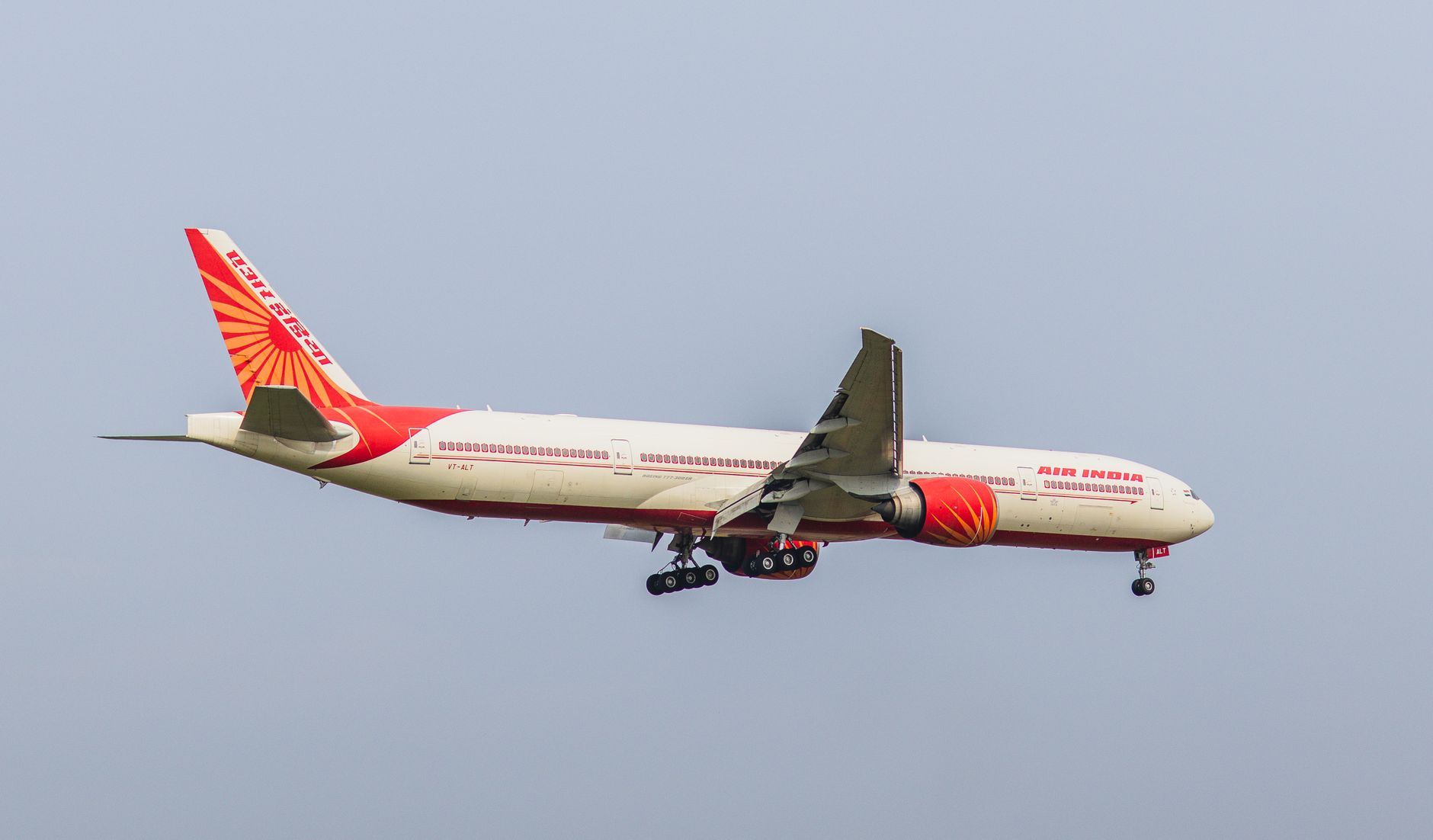
India's national carrier Air India and the Ministry of Tourism have announced a collaborative effort to strengthen India's position on the global tourism map. This partnership comes at a crucial time when the country is seeing a resurgence in international travel and aims to capture a larger share of the global tourism market.
The Strategic Partnership
The collaboration between Air India and the Ministry of Tourism represents a coordinated approach to marketing India abroad. By combining the airline's extensive international route network with the government's tourism promotion resources, the partnership seeks to create a unified voice in global travel markets. Air India's presence in key international cities provides direct access to potential tourists, while the Tourism Ministry brings expertise in destination marketing and cultural promotion.
This type of public-private partnership is increasingly common in the tourism sector, where airlines and tourism boards work together to create attractive travel packages, joint marketing campaigns, and coordinated promotional activities in target markets.
Air India's Expanding Network
Since its acquisition by the Tata Group in 2022, Air India has been undergoing a significant transformation. The airline has placed substantial orders for new aircraft and has been expanding its international routes, making it better positioned to serve as an ambassador for Indian tourism. With modern aircraft and improved service standards, Air India is working to compete more effectively with international carriers on long-haul routes.
The airline's connections to major cities across North America, Europe, the Middle East, and Asia-Pacific provide crucial direct links that make India more accessible to international travelers. This connectivity is essential for tourism growth, as direct flights often make destinations more attractive to potential visitors.
India's Tourism Potential
India offers an incredibly diverse range of tourism experiences, from the snow-capped Himalayas to tropical beaches, ancient monuments to modern cities, wildlife sanctuaries to spiritual centers. Despite this wealth of attractions, India has historically captured a smaller percentage of global tourism compared to its potential.
The country has been working to improve its tourism infrastructure, streamline visa processes, and enhance the overall visitor experience. Recent initiatives include:
- E-visa facilities for citizens of numerous countries
- Development of tourism circuits connecting multiple attractions
- Investment in airport infrastructure and connectivity
- Training programs for tourism professionals
- Digital marketing campaigns targeting specific traveler segments
Targeting International Markets
The partnership will likely focus on key source markets for Indian tourism. Traditionally, major markets include the United States, United Kingdom, Canada, Australia, and various European countries. Additionally, India has been seeing growth from emerging markets in Southeast Asia and the Middle East.
Different markets require different approaches. Leisure travelers from Western countries might be attracted to India's cultural heritage, yoga and wellness offerings, or adventure tourism. Business travelers are drawn to India's growing economy and tech hubs. The diaspora market represents another significant segment, with millions of people of Indian origin living abroad who travel to visit family and heritage sites.
Challenges and Opportunities
While India has immense tourism potential, several challenges need to be addressed to maximize its appeal. These include concerns about infrastructure in some tourist areas, varying service standards, and sometimes complex travel logistics. The partnership between Air India and the Tourism Ministry can help address some of these concerns by ensuring better connectivity and providing comprehensive information to travelers.
The global tourism landscape is highly competitive, with countries across Asia and beyond vying for international visitors. Thailand, Singapore, Japan, and the UAE have all developed strong tourism brands and infrastructure. India's strategy needs to differentiate itself while highlighting unique offerings that cannot be found elsewhere.
Economic Impact
Tourism is a significant contributor to India's economy, providing employment across multiple sectors including hospitality, transportation, handicrafts, and food services. Increasing international tourist arrivals can have multiplier effects throughout the economy, particularly in regions that depend heavily on tourism revenue.
The partnership aims to increase both tourist numbers and the average spending per visitor, which can be achieved by promoting diverse experiences and encouraging longer stays.
The Road Ahead
As international travel continues to recover and grow post-pandemic, this partnership positions India to capitalize on renewed interest in travel. Success will depend on coordinated execution, consistent service delivery, and the ability to showcase India's diversity while ensuring positive visitor experiences.
The collaboration between Air India and the Ministry of Tourism represents a recognition that effective destination marketing requires alignment between transportation providers and tourism authorities, working together to present India as an accessible, attractive, and world-class travel destination.