Air India has joined forces with India's Ministry of Tourism in a strategic collaboration designed to draw more international tourists to the country. This partnership represents a significant step in revitalizing India's tourism sector, which has been working to regain momentum and capture a larger share of global travel spending.
The collaboration between the national carrier and the tourism ministry brings together two powerful entities that can collectively shape how India is perceived and accessed by travelers worldwide. By combining Air India's extensive flight network with the ministry's promotional resources, the partnership aims to create a seamless experience that begins when travelers first consider visiting India and continues through their journey.
Understanding the Partnership's Scope
This alliance focuses on coordinated marketing campaigns that will showcase India's diverse attractions to potential visitors across key international markets. The partnership is expected to leverage Air India's global presence in major cities to promote lesser-known destinations alongside popular tourist spots like the Golden Triangle, Kerala's backwaters, and Goa's beaches.
The collaboration likely includes joint promotional activities at travel trade shows, cooperative advertising campaigns, and integrated digital marketing efforts. Air India's position as the face of Indian aviation internationally makes it an ideal partner for spreading awareness about India's tourism offerings.
Why This Partnership Matters Now
India has ambitious targets for tourism growth over the coming years. The country welcomed over 10 million foreign tourist arrivals annually before the pandemic, and the government has set aggressive goals to expand this number significantly. To achieve these targets, seamless connectivity and strong international marketing are essential.
Several factors make this timing particularly opportune:
- Growing middle-class populations in Asia and Africa seeking new travel experiences
- Increased global interest in wellness tourism, spiritual travel, and authentic cultural experiences
- India's infrastructure improvements including new airports and better roads
- The rise of experiential travel preferences among younger demographics
Expected Benefits for Travelers
International visitors should see tangible improvements from this partnership. Enhanced route connectivity may mean more direct flights from key markets, reducing travel time and costs. The collaboration could also result in special fare promotions for tourists, making India more price-competitive with other Asian destinations.
The partnership may facilitate better information dissemination about India's e-visa system, which has already simplified entry for citizens of over 170 countries. Joint efforts could ensure that potential visitors receive accurate, updated information about travel requirements, safety measures, and attraction details.
Impact on India's Aviation and Tourism Sectors
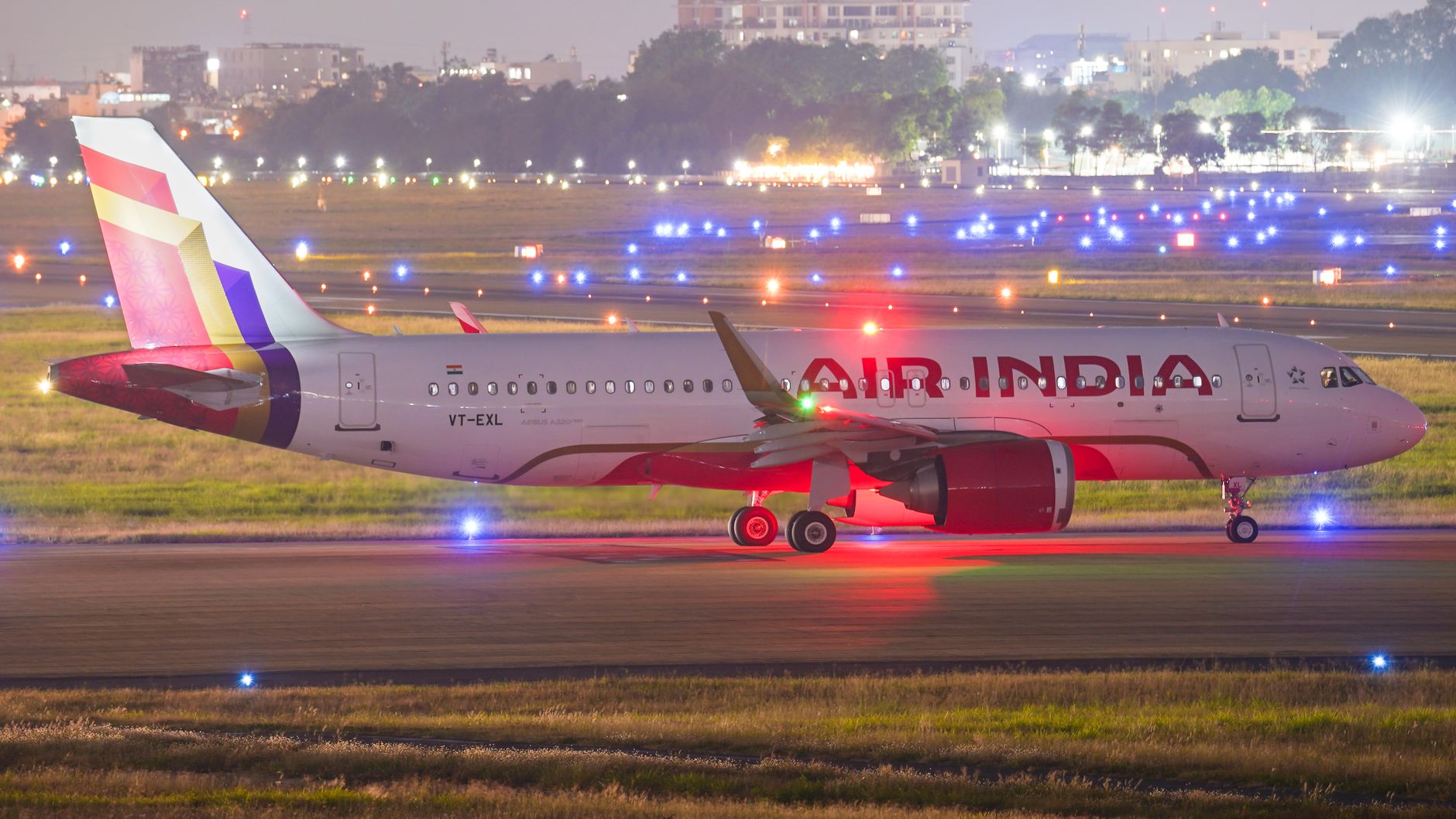
For Air India, which has undergone significant transformation following its acquisition by the Tata Group, this partnership strengthens its role as India's global ambassador. The airline has been modernizing its fleet, improving service standards, and expanding routes—all of which align with the goal of bringing more international visitors to Indian shores.
The tourism ministry gains a committed partner with global reach and marketing muscle. Together, they can compete more effectively with tourism boards and airlines from countries like Thailand, Vietnam, and Indonesia, which have successfully marketed themselves as must-visit destinations.
Regional Tourism Development
One crucial aspect of such partnerships often includes promoting destinations beyond the usual tourist circuits. India has incredible diversity—from the Himalayan regions in the north to the islands of Andaman and Nicobar, from the Northeast's unique cultures to Rajasthan's desert landscapes. Coordinated efforts between the airline and tourism ministry could help distribute tourist arrivals more evenly across the country, benefiting regional economies.
This approach also helps manage overtourism at popular sites while giving international visitors fresh, uncrowded experiences. Highlighting emerging destinations requires both air connectivity and marketing—exactly what this partnership can provide.
Supporting the Broader Economy
Tourism's multiplier effect means that increased foreign arrivals benefit hotels, restaurants, tour operators, artisans, transportation providers, and countless other businesses. For a country like India with vast employment needs, tourism sector growth can create jobs across skill levels and geographic regions.
The collaboration also supports the government's initiatives around promoting Indian culture, cuisine, and heritage globally. When tourists return home with positive experiences, they become informal ambassadors who encourage others to visit.
The partnership between Air India and the Tourism Ministry reflects a strategic approach to making India more accessible and appealing to international travelers. By coordinating connectivity with compelling marketing, this collaboration has the potential to accelerate India's journey toward becoming one of the world's top tourism destinations. Success will ultimately be measured in increased arrivals, longer stays, and higher satisfaction among visitors discovering India's remarkable diversity.