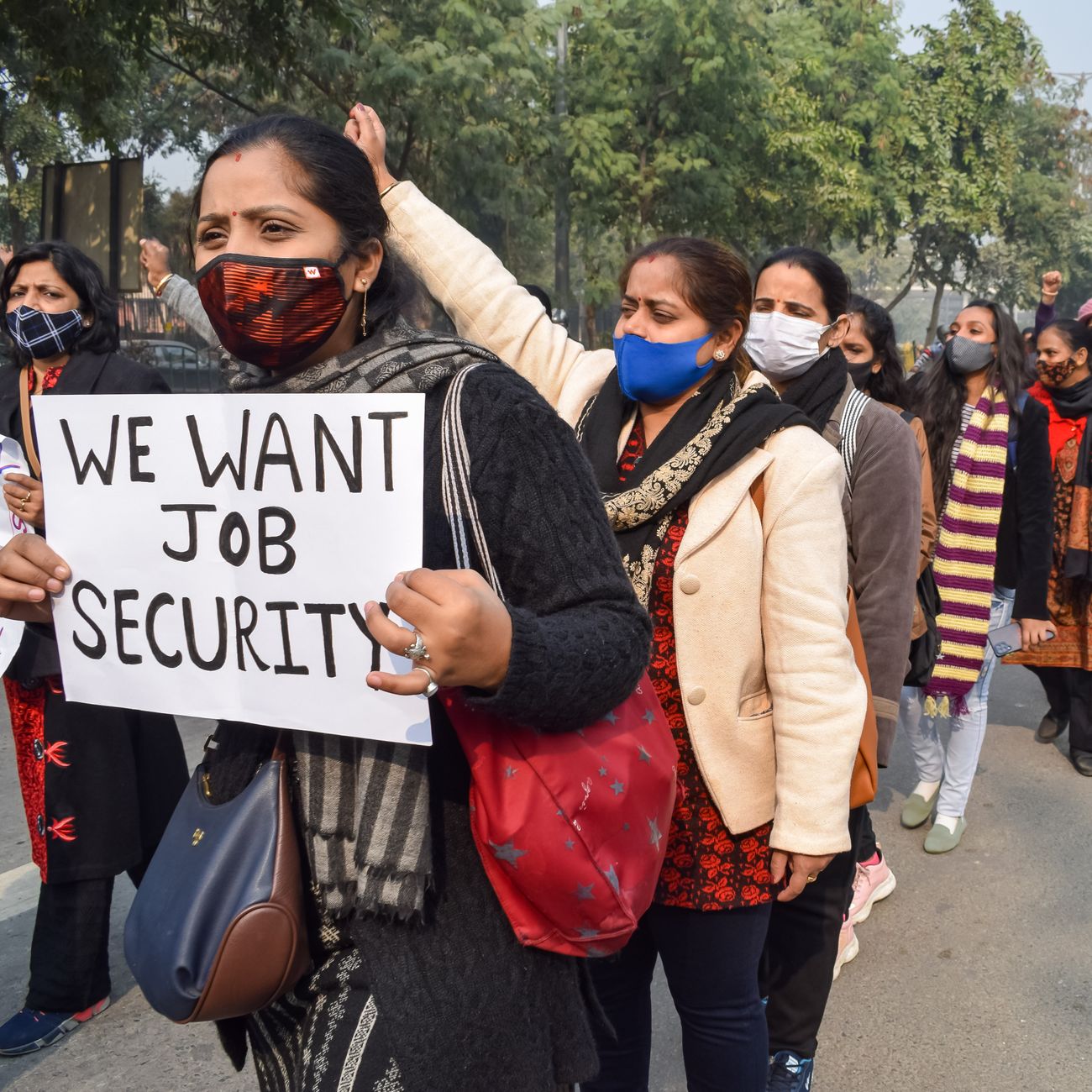
The Indian job market faces a mounting crisis of confidence as fresh graduates and entry-level job seekers encounter seemingly insurmountable barriers. The circular problem is evident: employers want experienced candidates for entry-level positions, while newcomers cannot gain experience without securing their first job. This contradiction has created a generation of frustrated, underemployed youth despite India's status as one of the world's fastest-growing economies.
The Experience Paradox in Entry-Level Hiring
When positions labeled "entry-level" or "fresher" demand one to three years of prior experience, the fundamental purpose of such roles becomes questionable. Traditionally, entry-level positions served as gateways for recent graduates to transition from academic environments to professional workplaces. Organizations invested in training programs, mentorship, and gradual skill development.
Today's reality differs starkly. Companies increasingly view entry-level hiring as opportunities to secure experienced talent at lower salary brackets rather than cultivating new professionals. This shift stems from multiple factors including cost pressures, rapid business cycles, and the availability of experienced candidates willing to accept lower-tier positions due to market saturation.
The consequences extend beyond individual frustration. This approach creates a bottleneck that prevents the natural flow of talent into industries, potentially stifling innovation that fresh perspectives often bring to organizations.
The Silent Treatment: Application Black Holes
Perhaps equally demoralizing is the communication void many candidates experience. Submitting applications only to receive no response—not even automated rejections—has become the norm rather than the exception. This silence leaves candidates in limbo, unable to learn from feedback or move forward with confidence.
Several factors contribute to this communication breakdown:
- High application volumes overwhelming human resources departments
- Automated screening systems that filter applications without human review
- Companies keeping applications on file indefinitely for future openings
- Lack of standardized communication protocols in hiring processes
- Budget constraints limiting HR department capacity
The psychological toll on job seekers cannot be understated. The absence of closure prevents candidates from understanding whether their qualifications were inadequate, their applications lost in digital systems, or positions filled through internal networks.
Behind the Hiring Transformation
India's job market transformation reflects broader economic and technological changes. The rise of digital platforms has made job applications extraordinarily easy, resulting in employers receiving hundreds or thousands of applications for single positions. This volume makes individual responses logistically challenging without significant HR infrastructure investment.
Additionally, the gig economy and contractual employment have normalized short-term, project-based work arrangements. Companies can now access skilled professionals without long-term commitments, reducing incentive to invest in training entry-level employees for permanent roles.
Educational institutions bear some responsibility as well. The gap between academic curricula and industry requirements means graduates often lack immediately applicable skills, making employers hesitant to invest training resources in candidates who may leave after gaining experience.
Pathways Forward for Job Seekers
Despite these challenges, opportunities exist for determined candidates willing to adapt their approaches:
- Pursue internships, volunteer work, or freelance projects to build practical experience even before graduation
- Develop portfolios showcasing personal projects, particularly in technology, creative, and analytical fields
- Leverage networking through alumni connections, professional associations, and industry events
- Consider smaller organizations or startups where entry barriers may be lower and learning opportunities broader
- Invest in online certifications and skill-building courses that demonstrate initiative and relevant competencies
- Customize applications for specific roles rather than mass-submitting generic resumes
What Employers Could Do Differently
Progressive organizations recognize that sustainable talent pipelines require investment in entry-level recruitment. Structured training programs, mentorship initiatives, and realistic job descriptions help companies access untapped talent pools while building loyalty among employees who feel invested in from the start.
Improving communication, even through automated updates acknowledging applications and providing timelines, significantly enhances candidate experience and employer branding. In competitive markets, companies that treat applicants with respect differentiate themselves and attract higher-quality candidates.
The Larger Economic Implications
This hiring dysfunction has macro-economic consequences. When educated youth cannot access employment matching their qualifications, human capital remains underutilized. Skills atrophy, motivation diminishes, and the demographic dividend India seeks to leverage becomes a demographic challenge instead.
Addressing these systemic issues requires coordinated efforts among educators, employers, policymakers, and job seekers themselves. Until structural reforms occur, individuals must navigate this challenging landscape with resilience, creativity, and strategic career planning that accounts for current realities rather than idealized hiring processes.