The global tourism landscape is undergoing a fundamental shift as travelers increasingly seek meaningful, immersive experiences rather than conventional tourist attractions. This evolution, known as experiential travel, is creating new opportunities for destinations that can offer authentic cultural engagement, and India stands at the forefront of this transformation.
What Is Experiential Travel
Experiential travel moves beyond the standard hotel-monument-restaurant circuit to engage visitors in the local way of life. Instead of merely observing a destination, travelers participate in cooking classes with local families, learn traditional crafts from artisans, stay in heritage homes, volunteer in community projects, or trek through remote villages with local guides.
This approach emphasizes personal growth, cultural exchange, and creating lasting memories through hands-on activities. Modern travelers, particularly millennials and Gen Z, prioritize stories and experiences they can share over material souvenirs, driving demand for travel that feels genuine and transformative.
Why Global Tourism Is Embracing This Shift
Several factors are fueling the rise of experiential travel worldwide. Social media has created appetite for unique, shareable moments that stand out from generic tourist photos. Post-pandemic travelers are also seeking more meaningful connections and slower, more mindful travel after periods of isolation.
Overtourism at major landmarks has pushed both travelers and destinations to explore alternative experiences that distribute visitor flows more evenly. Additionally, growing awareness of sustainability encourages tourism models that benefit local communities directly rather than large international chains.
India's Competitive Advantages
India possesses several natural strengths that make it exceptionally well-suited for experiential travel growth.
- Cultural diversity across 28 states and 8 union territories offers countless distinct experiences
- Living traditions including yoga, Ayurveda, classical arts, and ancient crafts practiced authentically
- Rural tourism potential with thousands of villages maintaining traditional lifestyles
- Culinary heritage with regional cuisines that vary dramatically across the country
- Spiritual and wellness tourism deeply embedded in the culture
- Adventure opportunities from Himalayan treks to desert safaris and wildlife experiences
Existing Experiential Offerings Gaining Traction
Indian tourism operators are already developing innovative experiential products. Homestays in Rajasthani villages allow visitors to understand desert life firsthand. Pottery workshops in Khurja or textile weaving in Varanasi connect travelers with master craftspeople. Cooking classes using recipes passed through generations give insight into family traditions and regional ingredients.
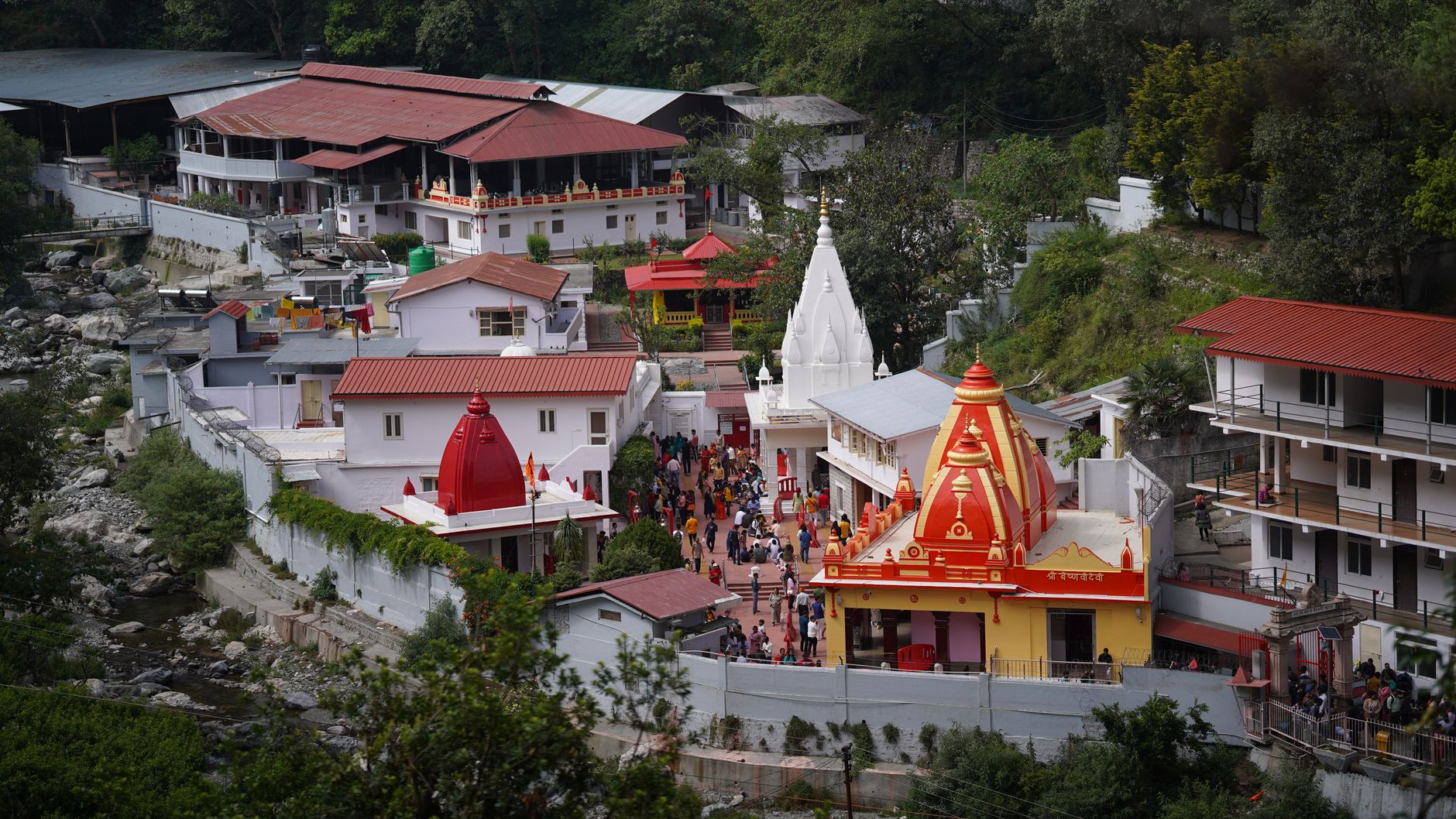
Wildlife conservation projects in national parks invite tourists to participate in monitoring programs. Spiritual seekers can stay in ashrams for meditation retreats or participate in temple rituals. Agricultural tourism lets visitors harvest crops, process spices, or learn traditional farming methods alongside rural communities.
Challenges to Address
Despite natural advantages, India must overcome certain obstacles to fully capitalize on experiential travel demand. Infrastructure in rural areas where authentic experiences exist often lacks the comfort standards international travelers expect. Consistent quality control across small, independent operators remains challenging without proper certification systems.
Language barriers can limit deeper cultural exchange in remote areas. Safety concerns, particularly for solo female travelers, require addressing through better regulations and community awareness. Digital connectivity gaps make it difficult for small experiential tourism providers to reach global audiences effectively.
The Economic Opportunity
Experiential travel typically generates higher spending per visitor and longer stays compared to conventional tourism. More importantly, revenue flows directly to local communities rather than concentrating in major cities or international hotel chains. This creates employment in rural areas and incentivizes preservation of cultural traditions that might otherwise disappear.
As global experiential tourism market continues expanding, India could capture significant market share by strategically promoting its authentic offerings. Government initiatives supporting rural tourism development, artisan training programs, and digital marketing assistance for small operators can accelerate growth.
Moving Forward
For India to maximize its experiential travel potential, collaboration between government, private sector, and local communities is essential. Investment in rural infrastructure, standardized quality frameworks that maintain authenticity, and targeted international marketing campaigns highlighting unique experiences will be crucial.
Training programs ensuring local communities can host international visitors comfortably while maintaining cultural integrity will balance commercial viability with preservation. Digital platforms connecting travelers directly with local experience providers can democratize tourism benefits.
The shift toward experiential travel represents more than a passing trend—it reflects fundamental changes in why and how people travel. India's extraordinary cultural wealth, if properly showcased and made accessible, positions the country not just to benefit from this shift, but to lead it globally.