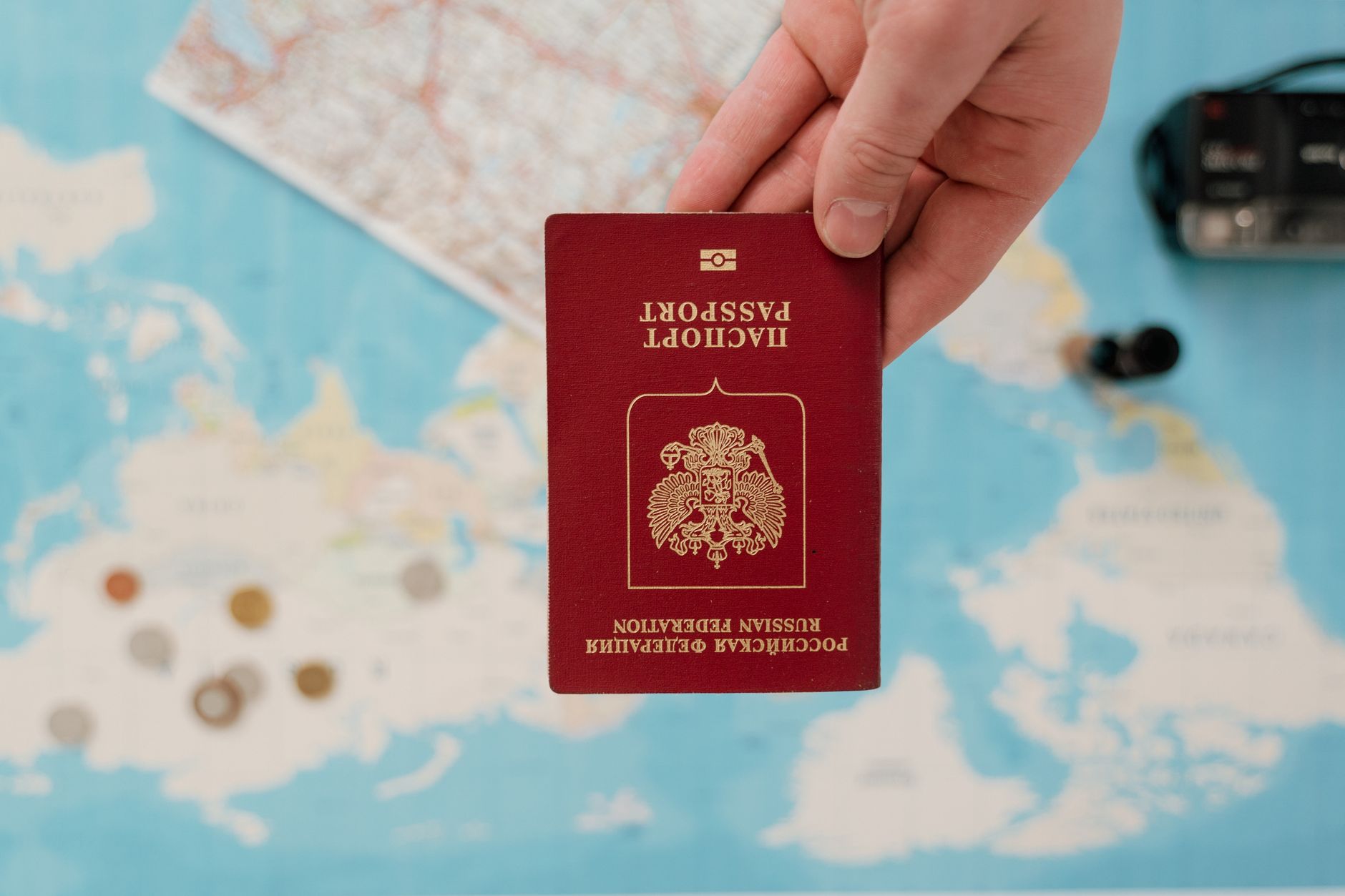
The traditional summer travel season for Indian tourists is undergoing a dramatic transformation as ongoing global conflicts reshape destination choices, flight routes, and travel insurance considerations. From Europe to the Middle East, geopolitical tensions are compelling families and young travelers alike to reassess their holiday plans.
The Changing Geography of Indian Tourism
Indian travelers have historically favored destinations in Europe, Southeast Asia, and the Middle East for summer vacations. However, the current global security landscape has prompted a noticeable shift in booking patterns. Travel agents across major Indian cities report a decline in inquiries for certain European destinations near conflict zones, while traditionally underexplored regions are experiencing unexpected surges in interest.
Countries like Portugal, Spain, and Greece are seeing increased bookings from Indian tourists seeking Mediterranean experiences without proximity to geopolitical hotspots. Similarly, destinations in Central Europe such as Czech Republic, Austria, and Switzerland are emerging as preferred alternatives to Eastern European locations.
Aviation Routes Under Pressure
The impact of global conflicts extends beyond destination selection to the very routes that connect India to the world. Several international airlines have been forced to reroute flights, avoiding airspace over conflict regions. This has resulted in longer flight durations and, in some cases, higher ticket prices due to increased fuel consumption.
Indian carriers and international airlines serving Indian routes have had to develop creative solutions, including:
- Extended flight paths adding 1-3 hours to journey times
- Increased fuel stops on certain long-haul routes
- Revised schedules to accommodate new routing patterns
- Enhanced coordination with aviation authorities across multiple countries
These changes have particularly affected flights to Europe and routes connecting through the Middle East, traditionally popular transit hubs for Indian travelers heading west.
The Insurance Factor
Travel insurance has evolved from an optional add-on to an essential component of trip planning. Insurance providers have introduced specific clauses addressing war risks, political instability, and emergency evacuation coverage. Premiums for certain destinations have increased by 25-40 percent, reflecting the heightened risk assessments.
Indian travelers are now more inclined to purchase comprehensive coverage that includes:
- Emergency evacuation from conflict zones
- Trip cancellation due to security advisories
- Medical coverage with repatriation provisions
- Coverage for flight diversions and extended stays
Domestic Tourism Gains Ground
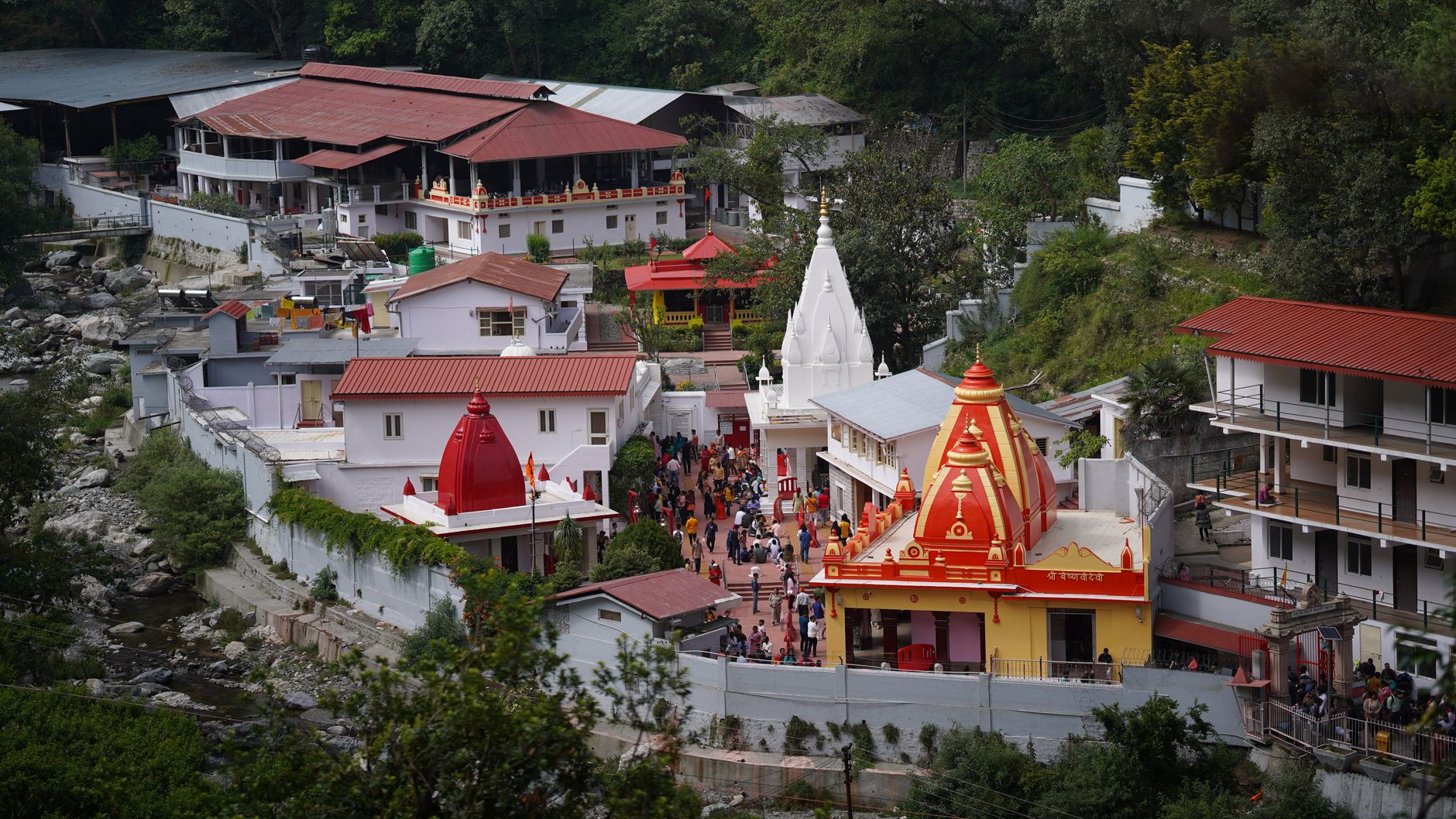
An unexpected beneficiary of global uncertainty has been India's domestic tourism sector. Families previously planning international holidays are discovering the diverse offerings within the country. Destinations like Ladakh, Northeast India, Kerala, and Rajasthan are reporting higher-than-usual bookings for the summer season.
The domestic pivot offers several advantages beyond safety concerns. Travelers save on foreign exchange, avoid visa complications, and reduce travel time. Additionally, improved infrastructure and hospitality services in many Indian destinations have made domestic travel increasingly attractive.
Corporate and Business Travel Adaptations
Business travelers from India are facing unique challenges as companies implement stricter travel policies. Many organizations have designated certain regions as restricted or requiring special approval for business trips. Virtual meetings have replaced some in-person conferences, while others have been relocated to neutral, safer locations.
Technology sector employees, traditionally frequent international travelers, are experiencing the most significant impact, with companies establishing regional hubs to reduce the need for travel through high-risk zones.
The Economic Ripple Effect
The reorientation of travel patterns carries economic implications for both source and destination markets. Indian spending power, significant in the global tourism economy, is being redistributed. Some destinations are experiencing revenue drops while others enjoy windfalls from redirected tourist flows.
Currency fluctuations linked to geopolitical instability have also influenced decisions. The Indian rupee's performance against various currencies makes some destinations more or less attractive based on purchasing power considerations.
Adapting to the New Normal
Travel agencies and tour operators are developing flexible booking policies, offering free cancellations or date changes up to departure. They are also providing enhanced pre-travel briefings, including security updates and emergency contact protocols.
Social media and travel forums have become crucial resources for real-time information sharing among Indian travelers. Communities exchange updates about ground situations, helping others make informed decisions about their travel plans.
The current situation reminds us that travel, while enriching, requires careful planning and awareness of global dynamics. As conflicts reshape the world map, Indian tourists are demonstrating adaptability, finding new destinations to explore while keeping safety at the forefront of their vacation planning.
This article provides general information about travel trends and should not be considered as specific travel advice. Always consult official government travel advisories and registered travel professionals before making international travel decisions.