India's tourism landscape has undergone a dramatic transformation over the past ten years, evolving from a sector plagued by infrastructure challenges to a thriving industry that welcomed record numbers of visitors in recent years. This remarkable turnaround has been fueled by strategic government initiatives, private sector investment, and a growing appreciation for India's diverse cultural and spiritual heritage.
The Infrastructure Revolution
The foundation of India's tourism growth story lies in its infrastructure overhaul. The expansion of airport capacity across tier-2 and tier-3 cities has been particularly significant. Cities like Guwahati, Lucknow, Varanasi, and Shirdi now boast modern airport facilities that can handle increased passenger traffic, making previously difficult-to-reach destinations far more accessible.
Highway development has been equally transformative. The construction of expressways connecting major tourist circuits has reduced travel times dramatically. The Delhi-Meerut Expressway, Purvanchal Expressway, and numerous other road projects have made road trips more comfortable and time-efficient, encouraging domestic tourism.
Railway modernization has also played a crucial role. The introduction of Vande Bharat trains connecting tourist destinations, station redevelopment projects, and improved passenger amenities have made train travel more appealing. Heritage railway routes have been revived and marketed as tourist experiences in themselves.
The Spiritual Tourism Surge
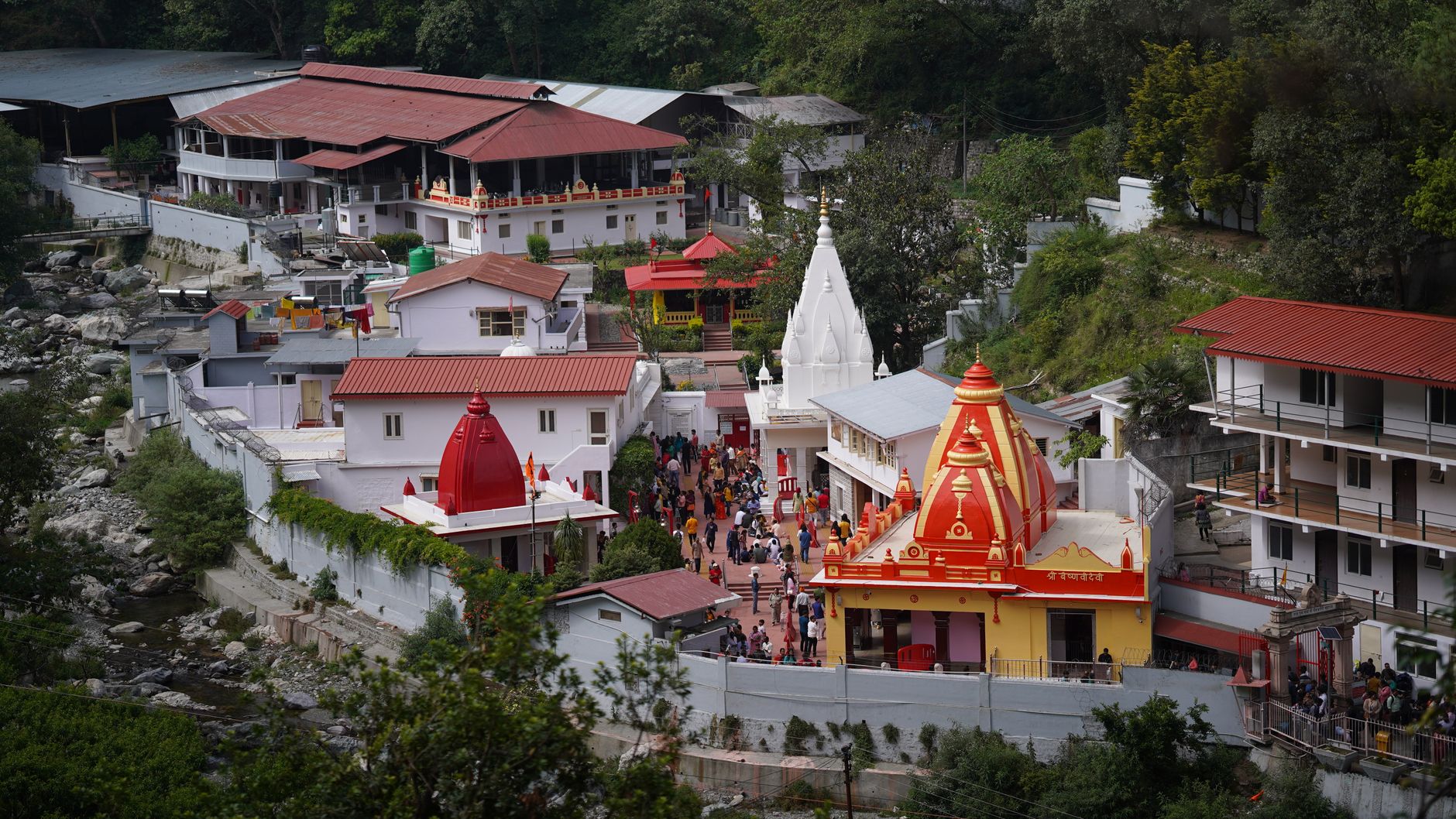
Perhaps the most distinctive aspect of India's tourism growth has been the explosive rise of spiritual and religious tourism. The government's focus on developing and promoting pilgrimage sites has resonated strongly with both domestic and international travelers seeking authentic cultural experiences.
The Kashi Vishwanath Corridor project in Varanasi stands as a landmark achievement. The transformation of the temple complex and surrounding areas has made the spiritual experience more accessible while preserving the site's ancient sanctity. Similar developments at Kedarnath, Ayodhya, and other pilgrimage centers have followed this model.
The promotion of the Buddhist Circuit has attracted substantial international interest, particularly from Southeast Asian countries. The development of sites associated with Buddha's life, improved connectivity between them, and better facilities have positioned India as a premier Buddhist pilgrimage destination.
Yoga and wellness tourism has emerged as another strong growth segment. Rishikesh, Dharamshala, and Kerala have become global hubs for wellness seekers, offering everything from traditional ashram experiences to luxury wellness retreats.
Digital Connectivity and Marketing
The tourism transformation extends beyond physical infrastructure. India's digital revolution has made trip planning and booking far easier. The e-Visa facility has simplified entry procedures for foreign tourists, with many nationalities now eligible for online visa applications that can be processed within days.
Digital payment infrastructure has addressed one of tourists' major pain points. The widespread adoption of UPI and digital wallets means visitors no longer need to carry large amounts of cash, enhancing both convenience and security.
Social media and digital marketing have played an enormous role in showcasing India's diversity. The Incredible India campaign has successfully leveraged digital platforms to reach global audiences, while user-generated content from travelers has organically promoted lesser-known destinations.
Regional Diversity and Niche Tourism
The past decade has seen a deliberate effort to distribute tourism beyond traditional hotspots. The North East region has been opened up through improved connectivity and targeted promotion, revealing stunning landscapes and unique cultures to mainstream tourism.
Adventure tourism has gained momentum, with destinations offering trekking, river rafting, paragliding, and scuba diving becoming increasingly popular. Ladakh, Himachal Pradesh, Uttarakhand, and the Andaman Islands have benefited significantly from this trend.
Wildlife tourism continues to be a strong draw, with tiger reserves and national parks maintaining their appeal while improving visitor management and conservation efforts.
Economic Impact and Employment
The tourism sector's growth has had substantial economic implications. It has become a major employment generator, particularly for rural and semi-urban areas near tourist destinations. From hospitality and transport to handicrafts and cultural performances, tourism has created diverse livelihood opportunities.
Looking Ahead
While challenges remain, including sustainable tourism practices and managing over-tourism at popular sites, India's tourism trajectory over the past decade demonstrates what strategic planning, infrastructure investment, and cultural pride can achieve. The sector is well-positioned for continued growth, promising to bring economic benefits while sharing India's rich heritage with the world.