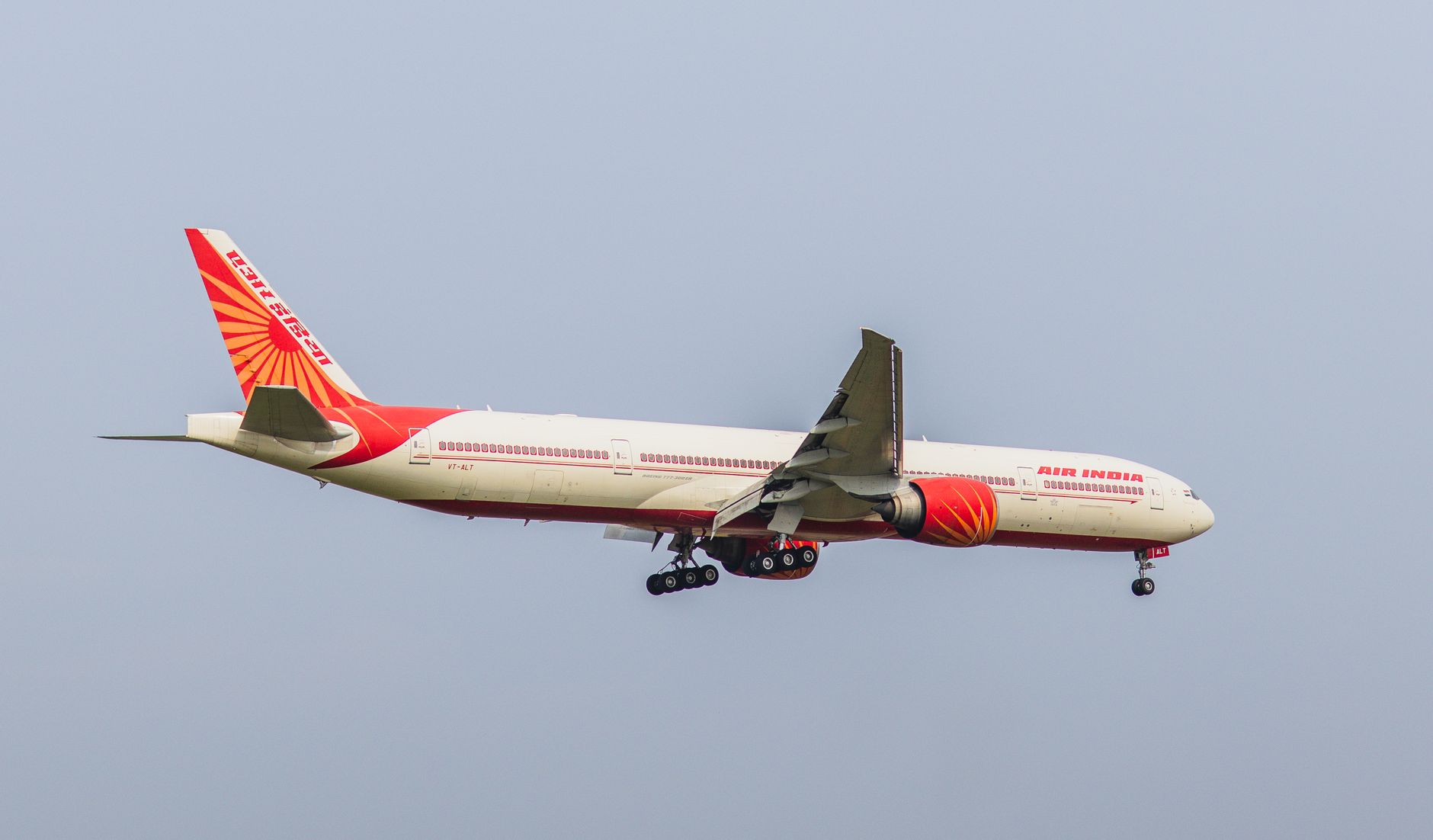
The Indian government has reinforced its commitment to positioning India as a leading global tourist destination through a strategic partnership with Air India. This collaboration between the Tourism Ministry and the national carrier represents a coordinated effort to harness aviation connectivity with destination marketing, a approach that several successful tourism nations have employed to attract international visitors.
The Strategic Rationale Behind the Partnership
This partnership comes at a pivotal time for Indian tourism. The sector has rebounded strongly following pandemic-related disruptions, with international arrivals steadily climbing. By joining forces with Air India, the Tourism Ministry gains access to the airline's growing international network, in-flight entertainment platforms, and passenger touchpoints that can serve as promotional channels.
Air India has been undergoing significant transformation since its acquisition by the Tata Group, expanding its fleet, modernizing its services, and adding new international routes. The airline's rejuvenation aligns well with the government's ambition to attract more foreign tourists and boost tourism revenue, which contributes substantially to India's GDP and employment.
How Airline-Tourism Partnerships Work
Similar collaborations between national carriers and tourism boards have proven effective globally. These partnerships typically involve several components that create synergistic promotional opportunities.
Airlines provide unique access to travelers during the consideration and booking phases. In-flight magazines, entertainment systems, website banners, and even boarding pass inserts can showcase destination highlights. Air India's international flights serve as mobile ambassadors, exposing millions of passengers annually to Indian tourism content.
The partnership likely includes joint marketing campaigns in key source markets, where Air India operates flights and where India seeks to increase tourist arrivals. Countries like the United States, United Kingdom, Australia, Germany, and France are traditional focus areas, alongside growing markets in Southeast Asia and the Middle East.
Components of the Collaborative Framework
While specific details of the memorandum of understanding vary, such partnerships generally encompass multiple dimensions of cooperation.
- Joint promotional campaigns in international markets targeting potential tourists
- Integration of tourism content across Air India's digital and physical customer touchpoints
- Coordinated participation in international travel trade shows and tourism fairs
- Special fare packages bundling flights with tourism experiences
- Training programs for Air India staff to serve as informal tourism ambassadors
- Data sharing to identify emerging source markets and travel trends
The partnership may also extend to promoting India's diverse tourism offerings, from heritage and culture to wellness, adventure, and MICE (meetings, incentives, conferences, and exhibitions) tourism.
India's Tourism Potential and Challenges
India offers remarkable diversity as a tourist destination, with UNESCO World Heritage sites, varied landscapes from Himalayan peaks to tropical beaches, rich cultural traditions, and culinary diversity. Yet the country captures only a small fraction of global tourist arrivals compared to its potential.
Infrastructure development, ease of visa processes, and consistent destination marketing have been focus areas for successive governments. The Tourism Ministry has implemented initiatives like e-visas, Swadesh Darshan schemes for infrastructure development, and "Incredible India" campaigns to boost the sector.
Airline connectivity remains crucial for tourism growth. Air India's expanded international presence provides more direct flight options, reducing travel time and potentially lowering costs through increased competition. The airline's modernized fleet and improved service standards also enhance India's image as a destination that offers quality experiences.
Expected Outcomes and Industry Impact
Such partnerships aim to create measurable increases in tourist arrivals, foreign exchange earnings, and employment in tourism-dependent regions. The collaboration sends a signal to the global travel industry that India is serious about tourism development and willing to deploy resources strategically.
The domestic tourism industry, including hotels, tour operators, and local businesses, stands to benefit from increased international arrivals. Regional destinations beyond traditional circuits may gain visibility through coordinated marketing efforts, potentially distributing tourism benefits more widely across the country.
For travelers, the partnership could translate into more attractive packages, better information access, and improved end-to-end experiences from booking to arrival.
Looking Ahead
The success of this partnership will depend on execution quality, sustained investment, and measurable outcome tracking. As global tourism continues evolving, with travelers seeking authentic experiences and sustainable options, India's ability to position itself effectively will determine how much of the growing tourism pie it captures.
This collaboration represents a recognition that tourism promotion requires coordination across sectors, with aviation serving as both an enabler and a marketing channel for destination development.
This article is for general information purposes only and does not constitute professional travel or business advice. Readers should verify current policies and opportunities through official government and airline channels.