India stands at a critical juncture in its tourism development, with the World Travel & Tourism Council identifying key bottlenecks that prevent the country from realizing its full potential as a global travel destination. Despite being home to diverse landscapes, rich cultural heritage, and ancient historical sites, India continues to lag behind regional competitors in tourist arrivals and revenue generation.
The tourism sector represents a significant opportunity for India's economic growth, job creation, and foreign exchange earnings. However, structural challenges in visa accessibility and connectivity infrastructure have consistently hampered the country's ability to attract international visitors at the scale its assets deserve.
The Visa Challenge
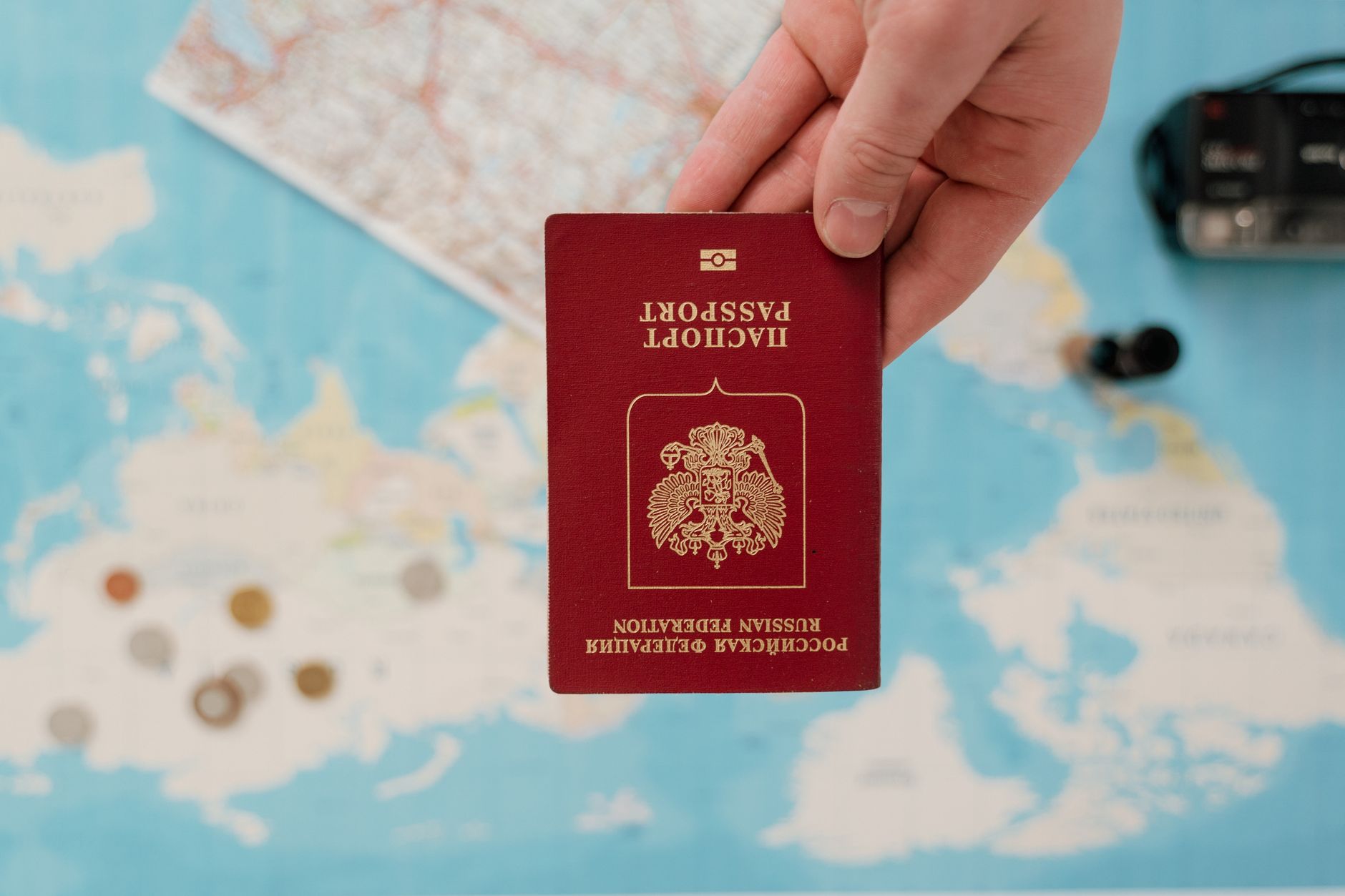
India's current visa system presents multiple friction points for potential travelers. The application process remains complex and time-consuming compared to countries like Thailand, Vietnam, or even neighboring Sri Lanka, which have streamlined their entry requirements to welcome tourists with minimal hassle.
While the e-visa facility introduced in recent years marked progress, its scope remains limited. Many travelers face uncertainty about processing times, eligibility criteria, and the documentation required. Business travelers and tourists often express frustration with the digital platform's technical glitches and the lack of visa-on-arrival options for most nationalities.
Countries that have liberalized their visa regimes have witnessed remarkable tourism growth. Thailand's visa-free entry for numerous countries and Indonesia's expanding visa waiver program demonstrate how simplified entry procedures directly translate to increased arrivals and revenue.
Connectivity Gaps
Beyond visa issues, physical connectivity remains a fundamental constraint. India's airport infrastructure, while improving in major cities, lacks sufficient international connectivity in second-tier destinations that hold immense tourism appeal.
Cities like Varanasi, Khajuraho, Gaya, and Amritsar receive limited international flights despite their significance as tourist draws. Travelers must often route through Delhi or Mumbai, adding cost, time, and complexity to their journeys. This hub-dependency makes India less competitive against destinations offering direct access to multiple locations.
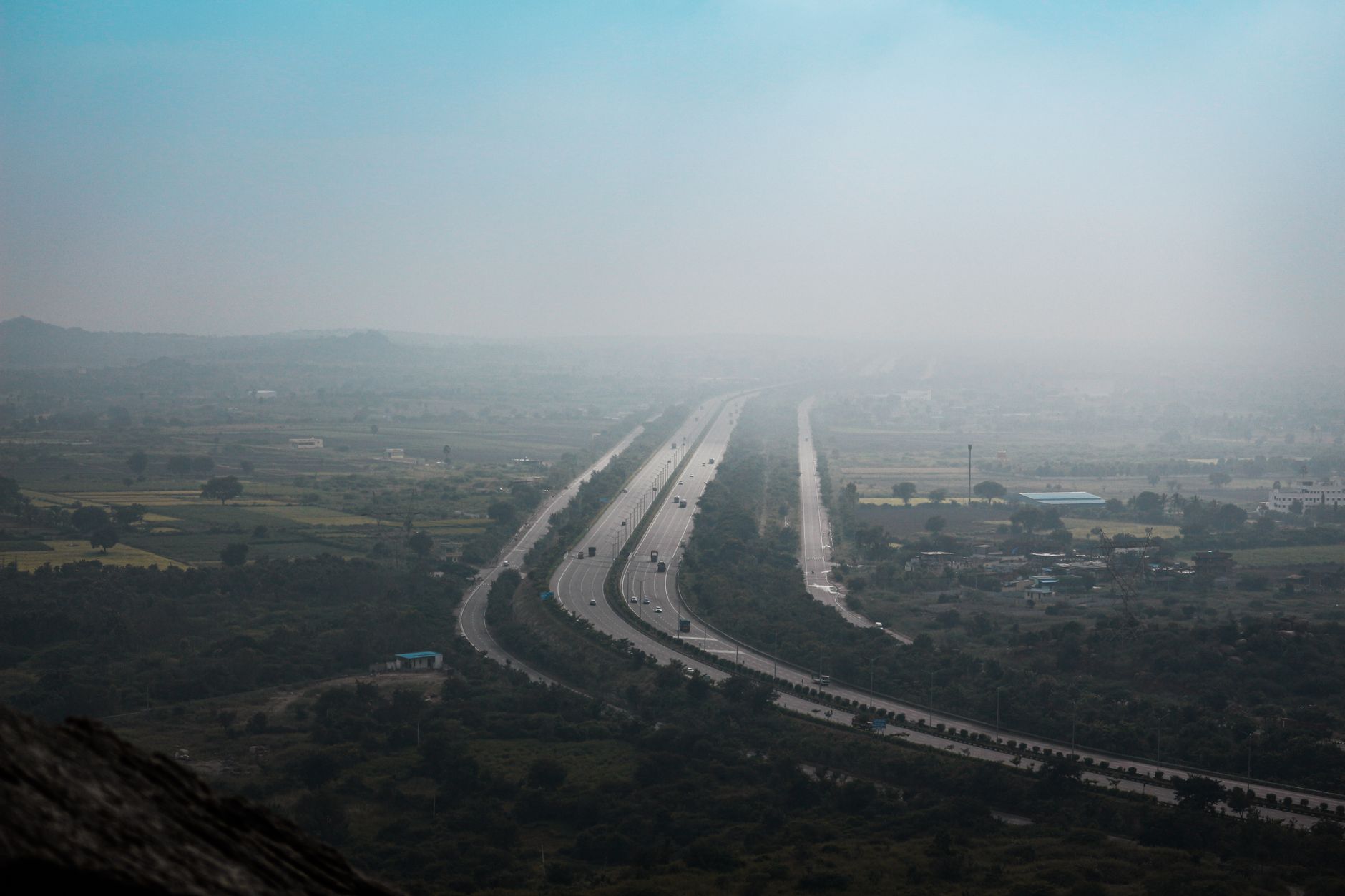
Domestic connectivity also needs attention. Road infrastructure connecting tourist circuits remains inadequate in many regions. Rail connectivity, though extensive, often lacks the speed and comfort standards international tourists expect. The much-discussed bullet train projects and high-speed rail corridors remain years away from implementation.
Regional Competition
India faces stiff competition from Southeast Asian nations that have positioned themselves as tourist-friendly destinations. Countries like Thailand, Malaysia, and Vietnam welcome over 30-40 million international tourists annually, while India hovers around 10-15 million in typical years.
These competitors offer hassle-free visas, excellent airport infrastructure, well-maintained tourist circuits, and aggressive destination marketing. They've built comprehensive ecosystems where tourism stakeholders work cohesively to deliver seamless experiences.
Economic Implications
Tourism's economic multiplier effect makes it crucial for India's growth strategy. The sector generates employment across skill levels, from hospitality workers to tour guides, artisans to transport operators. It drives demand in agriculture, handicrafts, and entertainment sectors.
Countries where tourism contributes 10-15 percent of GDP demonstrate how the sector can be transformative. India's tourism contribution remains significantly below this potential, representing a missed opportunity for economic development and poverty alleviation.
The foreign exchange earnings from tourism can help balance India's current account deficit. Premium tourism segments—luxury travel, medical tourism, and spiritual tourism—offer particularly high per-visitor revenue potential that remains underexploited.
The Path Forward
Addressing these challenges requires coordinated policy action. Visa liberalization should expand to cover more countries and streamline processes further. Visa-on-arrival facilities could be extended to citizens of nations with strong travel ties to India.
Infrastructure development must prioritize tourist circuits. Upgrading airports in destinations like Leh, Bhubaneswar, and Guwahati would unlock northeastern and Himalayan tourism. Better roads connecting heritage sites and improved last-mile connectivity would enhance visitor experiences.
Digital infrastructure for tourists—mobile connectivity, digital payments, tourist information apps—needs strengthening. Safety perceptions, particularly for women travelers, must be addressed through visible security measures and responsive tourist police systems.
Marketing India as a destination requires sustained investment and professional execution. Campaigns must highlight India's unique offerings while addressing practical concerns about accessibility and ease of travel.
The tourism sector's revival post-pandemic offers an opportunity to reset strategies and implement reforms that position India competitively in the global tourism market.