India's tourism sector stands at a critical juncture, with global travel experts emphasizing the urgent need for comprehensive visa reforms and strategic infrastructure investments. The World Travel and Tourism Council, representing the global travel industry, has highlighted these areas as essential for India to fully capitalize on its immense tourism potential and compete effectively in the international travel market.
The Current State of Indian Tourism
India attracts millions of international visitors annually, drawn by its rich cultural heritage, diverse landscapes, and historical monuments. However, the country captures only a small fraction of global tourism arrivals compared to regional competitors like Thailand, Malaysia, and Singapore. The travel industry contributes significantly to India's GDP and employment, yet experts believe the sector remains underutilized given the nation's vast offerings.
The tourism ecosystem encompasses hotels, airlines, tour operators, restaurants, and countless small businesses that depend on visitor spending. While domestic tourism has shown robust growth, international arrivals have not kept pace with the country's economic expansion and global profile.
Visa Challenges Holding Back Growth
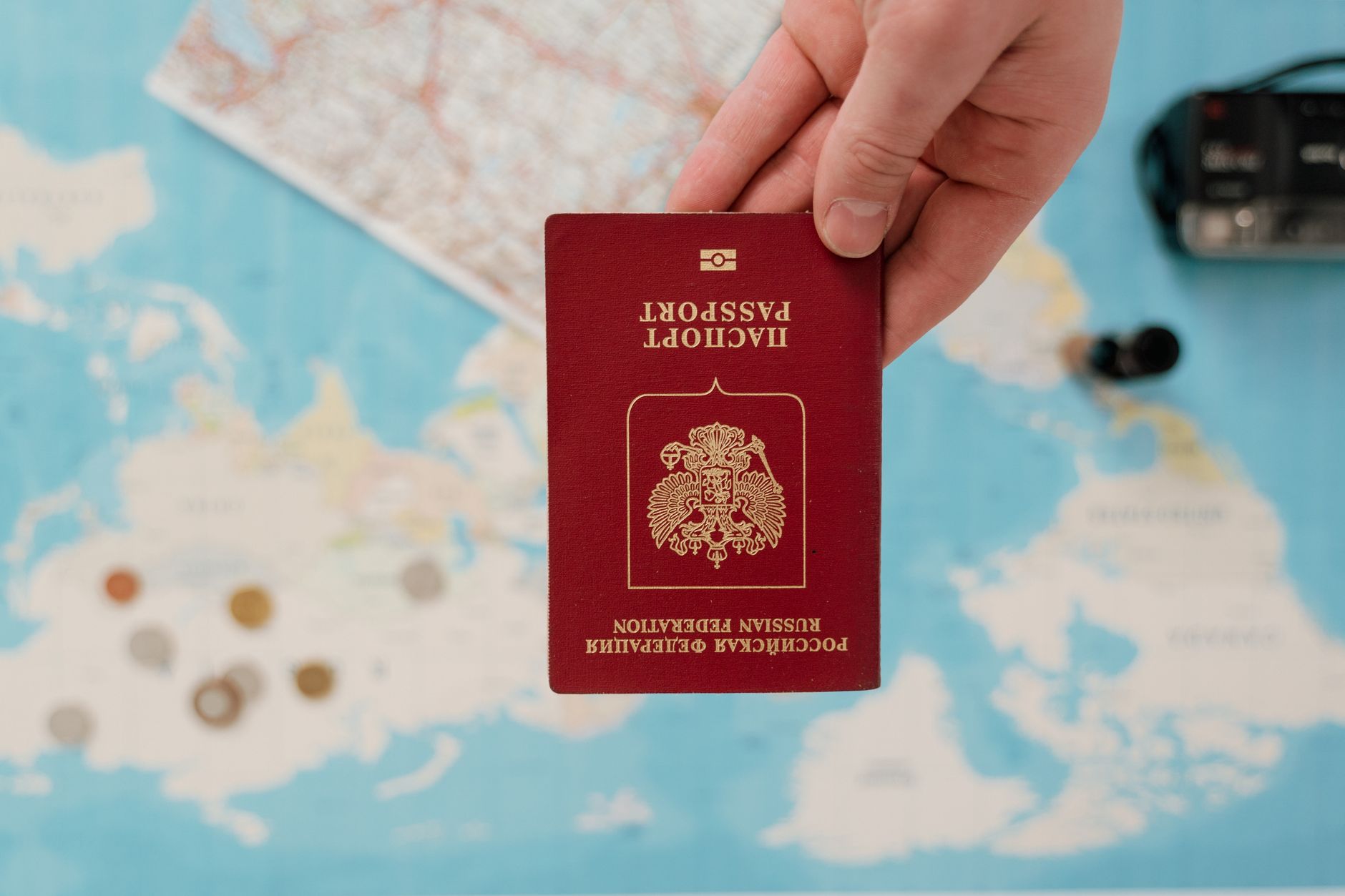
The complexity of India's visa application process has long been cited as a major deterrent for potential tourists. Many travelers find the documentation requirements extensive, processing times lengthy, and the overall experience cumbersome compared to destinations offering visa-on-arrival or electronic visa facilities to a broader range of nationalities.
Although India introduced the e-visa facility several years ago, its scope and efficiency remain limited. The system covers specific categories and nationalities, but tourists from many countries still face traditional visa requirements involving physical submissions at consulates or visa application centers.
Key visa-related concerns include:
- Limited coverage of nationalities eligible for e-visas compared to competitor destinations
- Shorter validity periods that discourage repeat visits
- Processing delays during peak travel seasons
- Complex documentation requirements that deter spontaneous travel decisions
- Restrictions on entry points and permitted activities
Infrastructure Gaps in Tourism Ecosystem
Beyond visa policies, infrastructure development represents another critical area requiring attention and investment. While major cities and popular tourist circuits have seen improvements, secondary destinations and emerging tourism spots often lack basic facilities that international travelers expect.
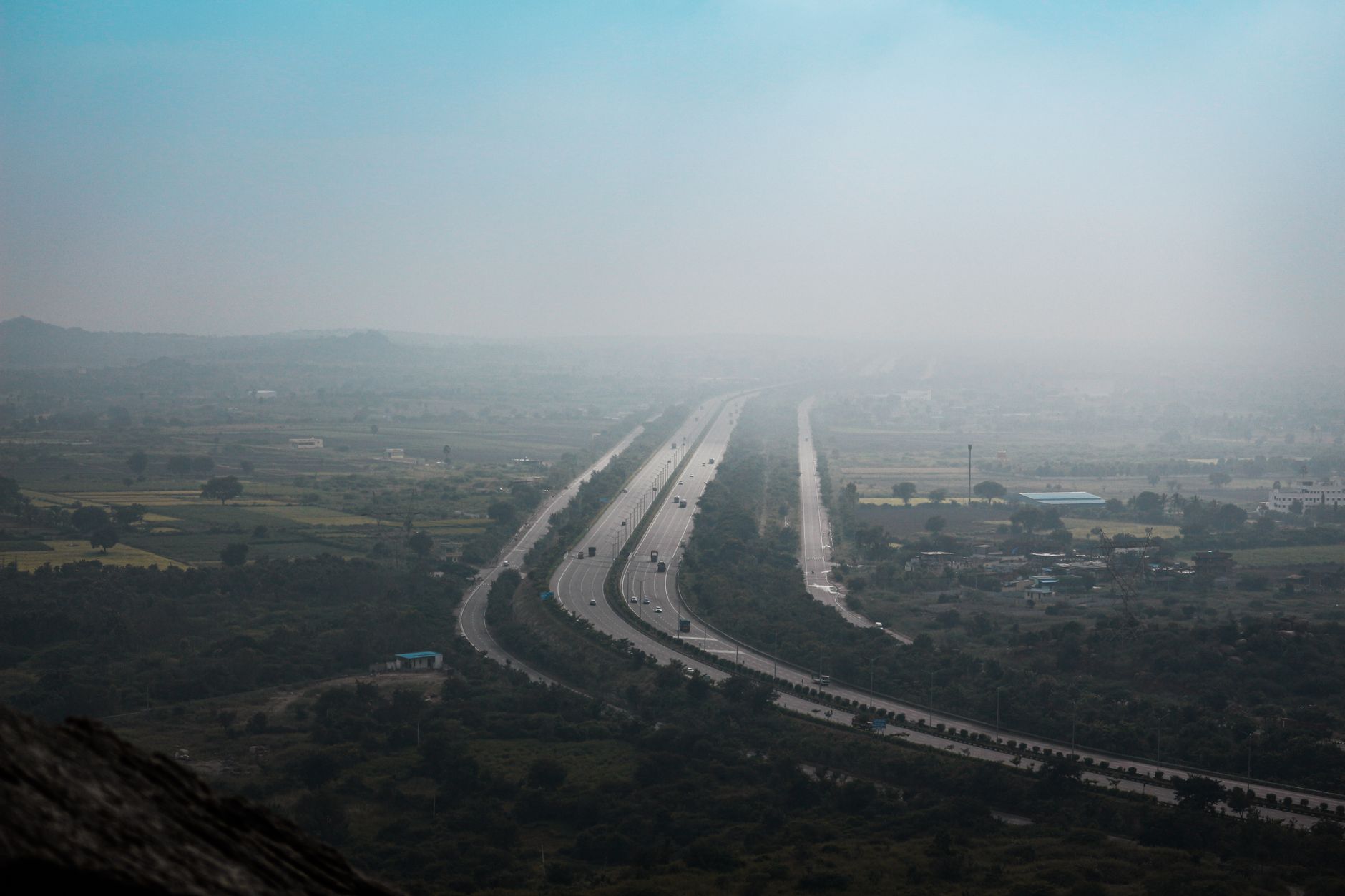
Transportation connectivity remains inconsistent outside major metropolitan areas. Roads to heritage sites and natural attractions frequently require upgrades, and last-mile connectivity poses challenges. Airport infrastructure, though improving in major cities, needs expansion in tier-two and tier-three cities to enable direct international connectivity.
Accommodation options at various price points, from budget to luxury, remain insufficient in many promising destinations. Hygiene standards, tourist information services, multilingual signage, and trained hospitality professionals are areas requiring systematic development.
Economic Benefits of Tourism Investment
Investing in tourism infrastructure and simplifying visa access offers substantial economic returns. The sector creates employment across skill levels, from hotel staff and tour guides to artisans and transport providers. Tourism spending has multiplier effects throughout local economies, benefiting agriculture, handicrafts, and services.
International tourism brings foreign exchange earnings and helps balance trade deficits. It also promotes cultural exchange and positions India favorably on the global stage. Countries that have prioritized tourism development have witnessed significant GDP contributions from the sector, often exceeding ten percent of national output.
Regional Competition and Global Standards
India faces intense competition from Southeast Asian nations that have aggressively promoted tourism through liberal visa policies and sustained infrastructure investment. Countries like Thailand offer visa exemptions or visa-on-arrival to dozens of nationalities, making travel decisions frictionless for tourists.
The United Arab Emirates, despite lacking India's historical and cultural depth, attracts comparable international arrivals through world-class infrastructure, simplified entry procedures, and aggressive marketing. China, before recent travel restrictions, had made significant strides in attracting tourists through infrastructure development in provincial areas.
Path Forward for Indian Tourism
Addressing these challenges requires coordinated action across multiple government departments, private sector participation, and sustained financial commitment. Expanding e-visa eligibility to more countries, increasing validity periods, and reducing processing times would immediately impact tourist arrivals.
Infrastructure development needs prioritized funding, possibly through public-private partnerships. State governments must align tourism development with broader infrastructure planning, ensuring connectivity and facilities reach beyond established circuits.
Training programs for hospitality workers, standardized quality certifications for tourism services, and targeted international marketing campaigns would complement policy reforms. Digital infrastructure for seamless booking, payments, and tourist information should receive attention alongside physical infrastructure.
The tourism sector's recovery following recent global disruptions presents an opportunity for India to reimagine its approach, implementing reforms that position the country as a premier global destination for decades to come.