India is experiencing an unprecedented revolution in its travel and transportation landscape. From high-speed trains connecting major cities to improved highways and expanding airports, the nation's mobility infrastructure is being transformed at a breakneck pace, fundamentally changing how people experience travel across the subcontinent.
The Railway Renaissance
The Indian Railways, one of the world's largest railway networks, is undergoing a comprehensive modernization drive. Vande Bharat Express trains now connect multiple cities with semi-high-speed services, offering passengers comfortable, air-conditioned travel with reduced journey times. These indigenous trains represent India's push toward self-reliance while providing international-standard amenities.
The introduction of dedicated freight corridors has freed up passenger lines, allowing for faster and more punctual services. Railway stations are being redeveloped into world-class hubs with improved passenger facilities, retail spaces, and better connectivity to other modes of transport. The focus on electrification of railway lines is also contributing to environmental sustainability while reducing operational costs.
Highway Development and Road Connectivity
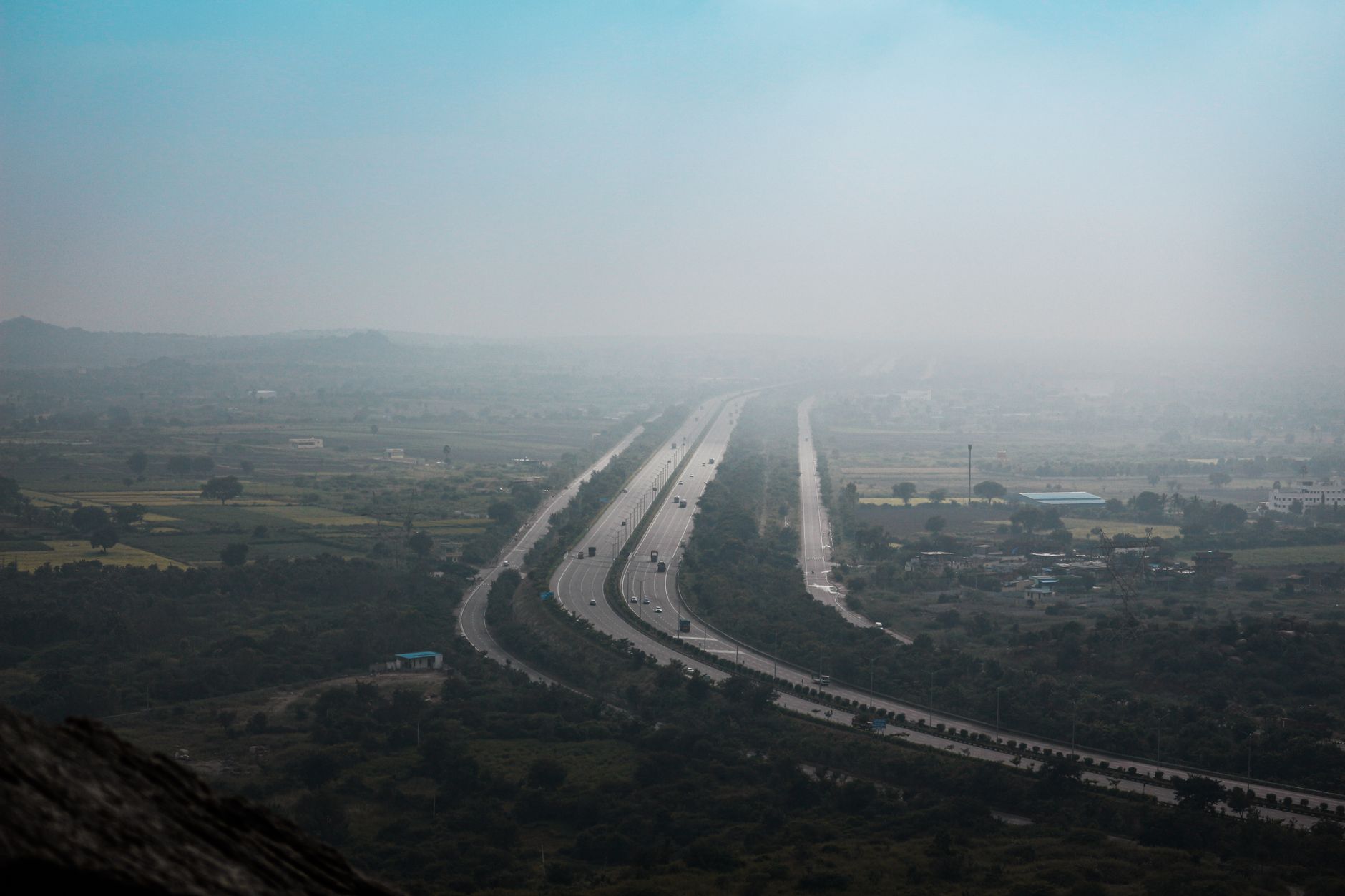
The Bharatmala Pariyojana and other highway development projects are creating seamless road connectivity across India. Expressways now link major economic centers, cutting travel times dramatically. The Delhi-Mumbai Expressway, when fully operational, will reduce the journey between these two megacities to approximately 12 hours from the previous 24 hours.
These modern highways feature world-class amenities including rest areas, fuel stations, and emergency services. The improvement in road infrastructure is not just benefiting personal travel but is also transforming logistics and commerce, enabling faster movement of goods across the country.
Aviation Sector Expansion
India's aviation sector is witnessing remarkable growth with new airports being constructed and existing ones being expanded. Tier-2 and Tier-3 cities are now better connected through UDAN (Ude Desh ka Aam Naagrik) scheme, which aims to make air travel affordable and accessible to the masses.
Regional connectivity has improved significantly, allowing people from smaller cities to access air travel without needing to travel to major metropolitan airports first. This democratization of air travel is opening up new tourism destinations and business opportunities across the country.
Metro Networks Transforming Urban Mobility
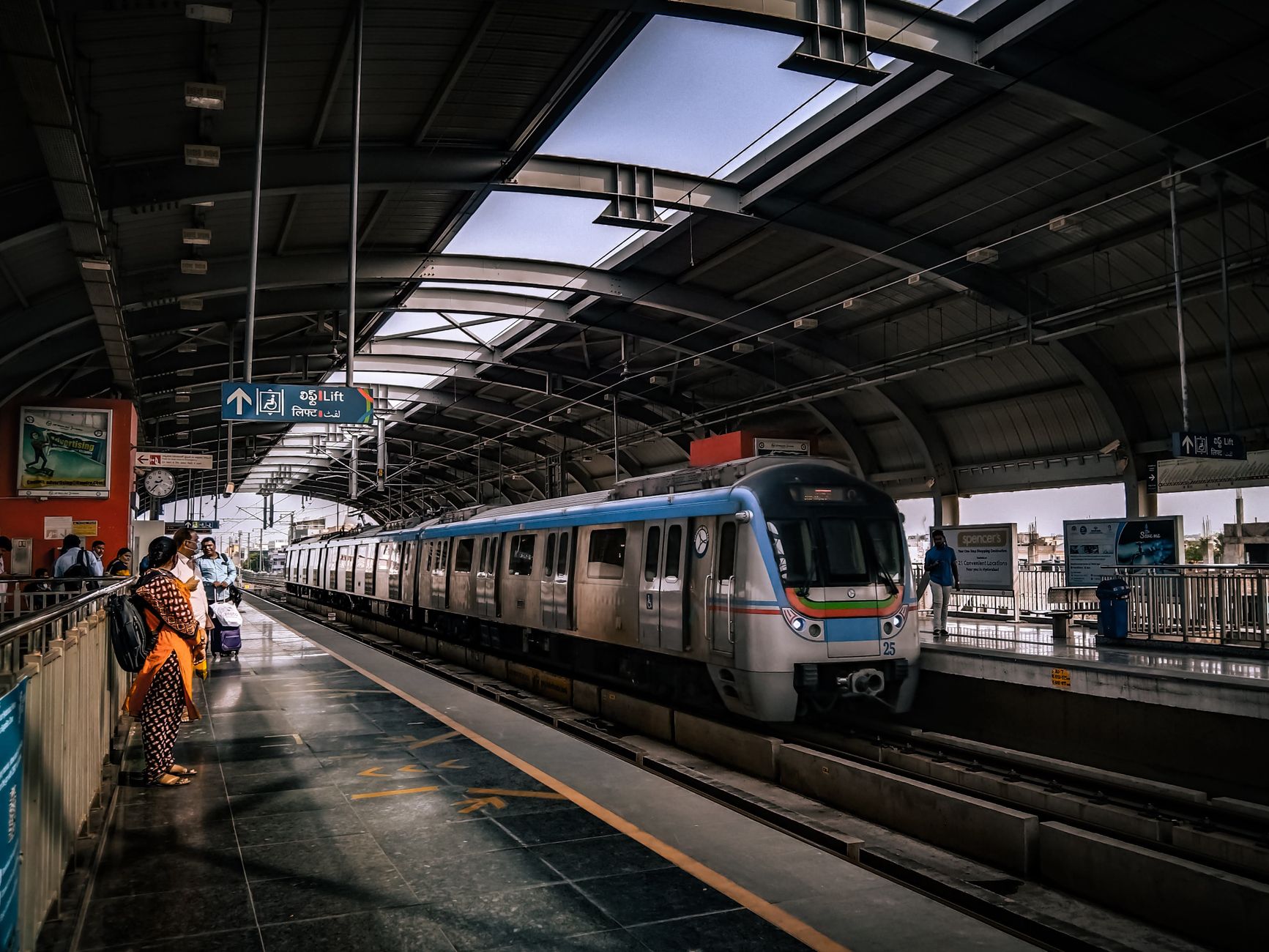
Indian cities are rapidly expanding their metro rail networks to tackle urban congestion and pollution. Cities like Delhi, Mumbai, Bangalore, Kolkata, Chennai, and Hyderabad have operational metro systems, while dozens of other cities are in various stages of planning and construction.
These metro networks provide clean, efficient, and reliable public transportation, reducing dependence on personal vehicles and improving air quality. The integration of metro services with other public transport modes through common mobility cards is making urban travel more convenient.
Digital Integration and Smart Travel
Technology is playing a crucial role in India's travel transformation. Digital ticketing, real-time tracking of buses and trains, and unified payment systems are making travel more convenient. Mobile applications now allow travelers to plan multi-modal journeys, book tickets, and access travel information seamlessly.
The implementation of FASTag for electronic toll collection has eliminated long queues at toll plazas, making highway travel smoother. Similarly, digital boarding passes and biometric entry at airports are streamlining the flying experience.
Tourism Infrastructure Development
The government's focus on developing tourist circuits under various schemes is opening up new destinations for domestic and international tourists. Improved connectivity to heritage sites, natural attractions, and religious destinations is making these places more accessible.
Infrastructure development around key tourist destinations includes better roads, accommodation facilities, and visitor amenities. This is not only promoting tourism but also creating employment opportunities in previously underdeveloped regions.
Environmental Considerations
The push toward electric vehicles, electric trains, and cleaner fuels is making India's travel sector more sustainable. Cities are investing in electric bus fleets, and the government is promoting electric vehicle adoption through incentives and charging infrastructure development.
Green corridors along highways, eco-friendly stations, and sustainable tourism practices are being increasingly prioritized, balancing development with environmental responsibility.
The Road Ahead
India's travel transformation is creating new opportunities for businesses, tourism, and personal mobility. As infrastructure continues to improve, travel times are shrinking, and accessibility is expanding, fundamentally changing how Indians live, work, and explore their vast and diverse nation. This mobility revolution is not just about physical infrastructure but about connecting people, ideas, and opportunities across the country.