The World Travel & Tourism Council (WTTC) has released optimistic projections for India's travel and tourism sector, predicting that the country will become the world's fourth-largest travel and tourism economy within the next 12 years. This forecast represents a significant leap for a nation that has traditionally been viewed as an emerging market in global tourism, and signals India's growing importance in the international travel landscape.
Current Standing and Growth Trajectory
India's travel and tourism sector has demonstrated remarkable resilience and growth potential in recent years. The industry has rebounded strongly from pandemic-related disruptions, with both domestic and international travel witnessing robust recovery. The WTTC's projection suggests that India's total contribution from travel and tourism to GDP will surpass several developed nations, positioning it behind only the United States, China, and Germany by 2036.
The sector's growth is expected to outpace many traditional tourism powerhouses, driven by a combination of demographic advantages, economic expansion, and strategic government initiatives. India's large and increasingly affluent middle class represents a massive domestic tourism market, while international arrivals continue to grow as the country enhances its global appeal.
Key Drivers Behind the Projection
Several factors are converging to fuel this anticipated growth. Rising disposable incomes across urban and semi-urban India are creating a generation of travelers eager to explore both domestic destinations and international locations. The country's young demographic profile means a growing workforce with the means and desire to travel for leisure, business, and spiritual purposes.
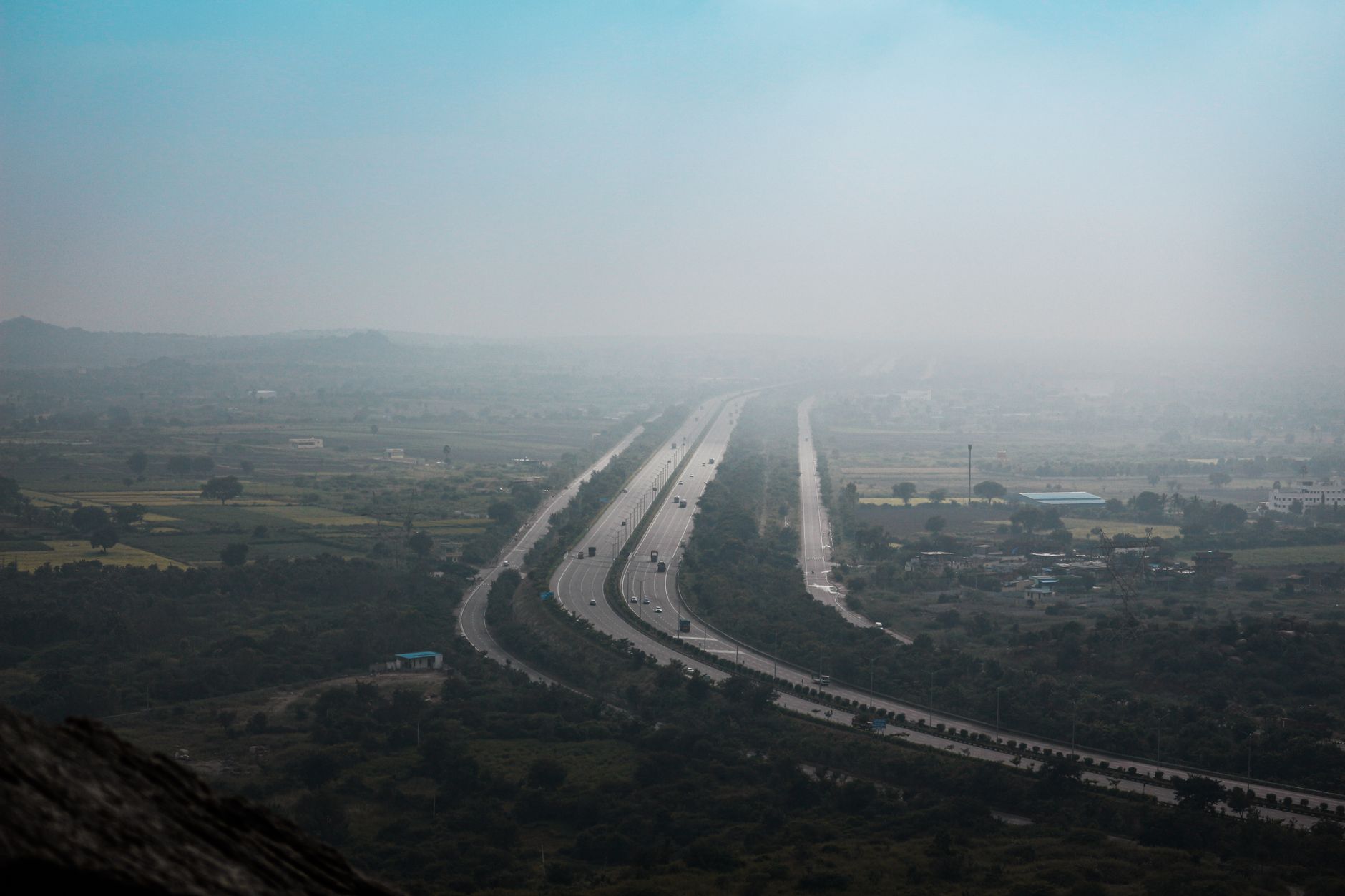
Infrastructure development plays a crucial role in this growth story. The Indian government has invested heavily in airport expansion, with numerous new airports and terminal upgrades completed or underway. Road connectivity improvements, including extensive highway networks connecting tourist destinations, have made previously inaccessible areas more attractive to visitors. The expansion of hotel chains, both budget and luxury segments, across tier-2 and tier-3 cities further supports tourism growth.
Digital transformation has also revolutionized how Indians plan and book travel. Online travel aggregators, digital payment systems, and smartphone penetration have made travel planning more accessible and convenient, particularly for first-time travelers from smaller cities and towns.
Domestic Tourism as a Growth Engine
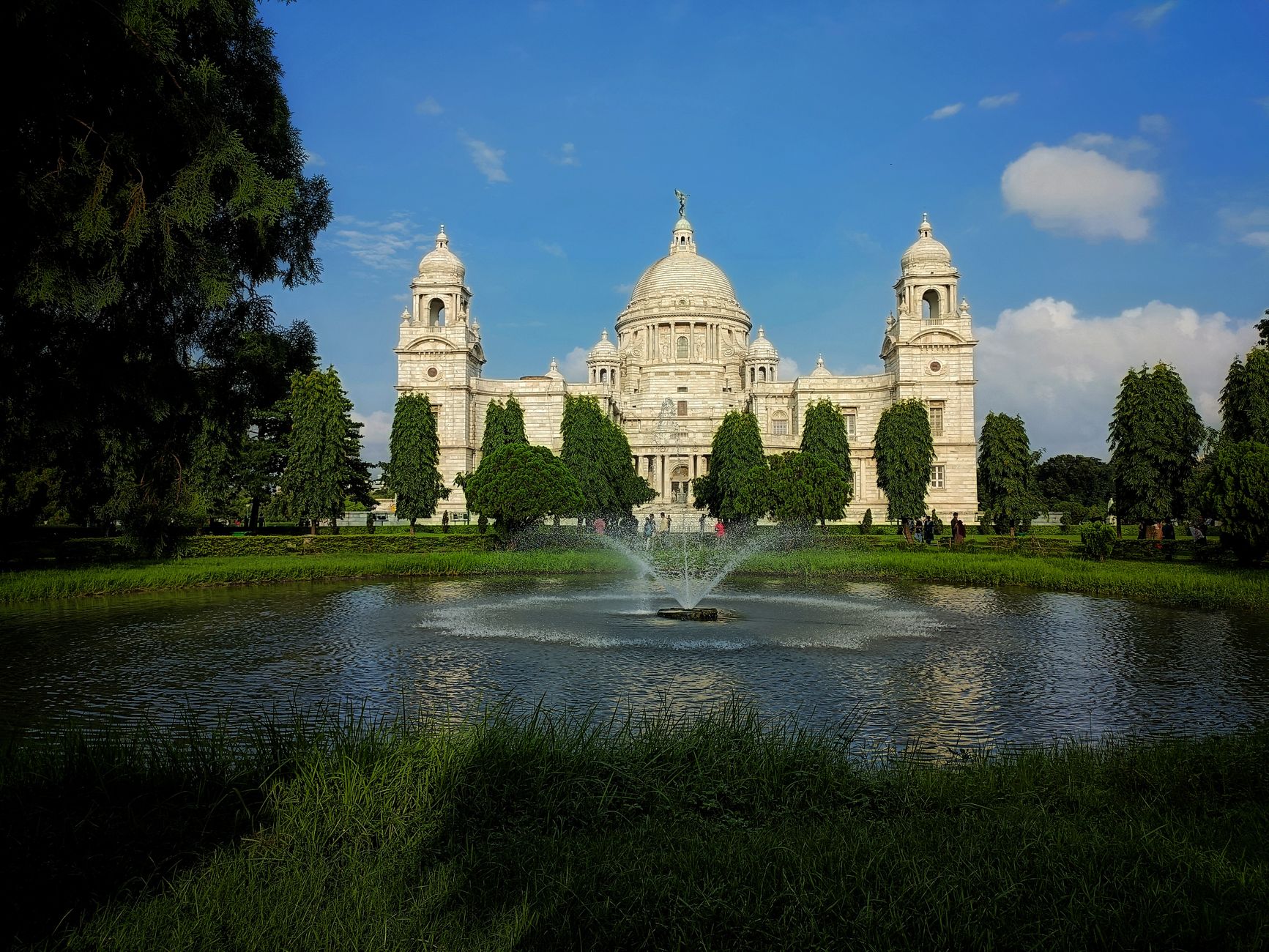
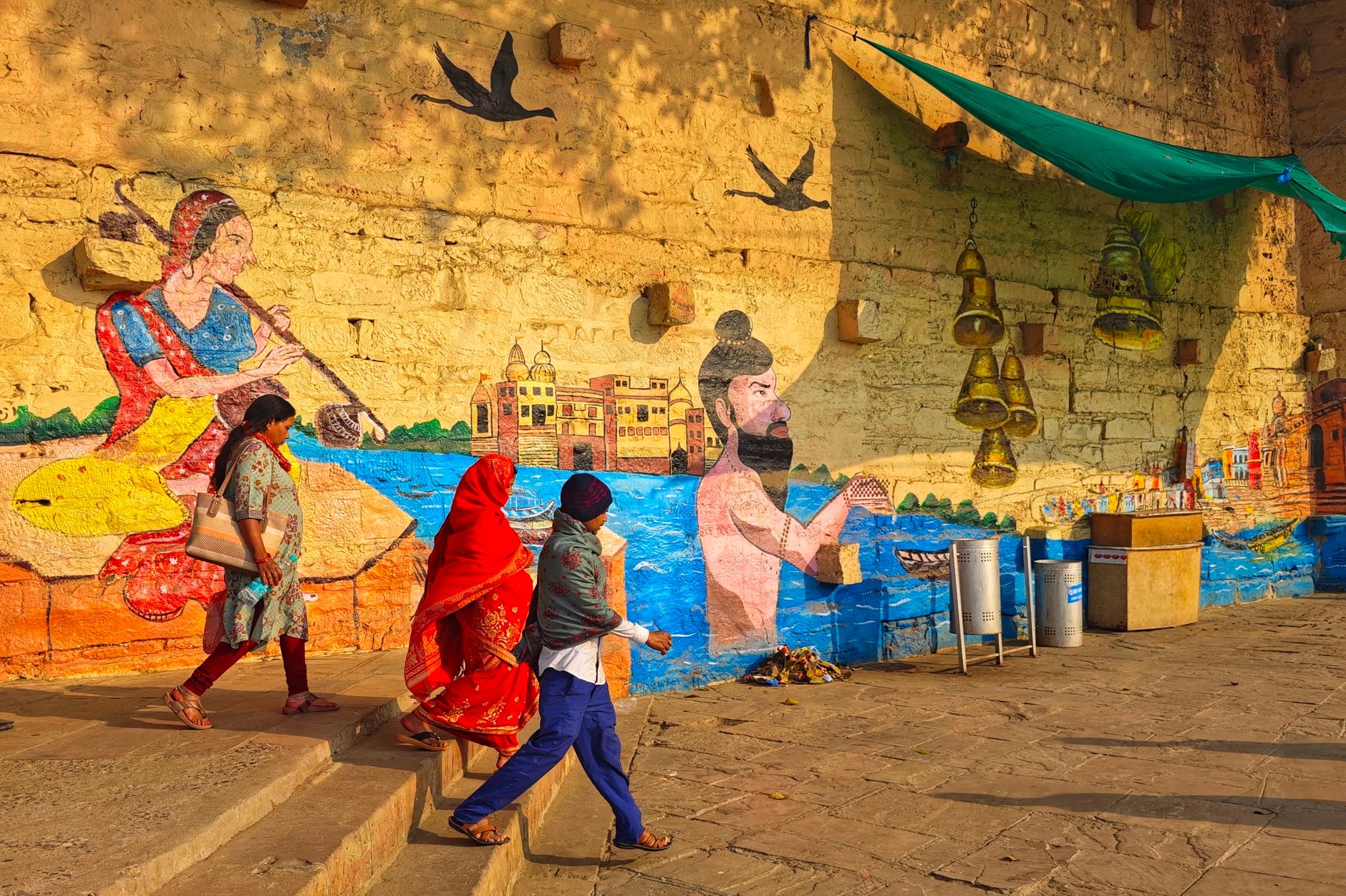
While international tourist arrivals remain important, domestic tourism is emerging as the primary driver of India's travel economy growth. Indians are increasingly exploring their own country, from the Himalayan mountain ranges to coastal beach destinations, from heritage sites to adventure tourism hotspots. Religious and pilgrimage tourism continues to generate significant economic activity, with millions of domestic travelers visiting temples, shrines, and spiritual centers annually.
Government initiatives such as Swadesh Darshan and Incredible India campaigns have successfully promoted lesser-known destinations, distributing tourism benefits more evenly across the country. State governments have also become more proactive in developing tourism infrastructure and marketing their unique offerings.
Employment and Economic Impact
The travel and tourism sector's expansion carries significant employment implications. The industry is expected to create millions of direct and indirect jobs across hospitality, transportation, food services, handicrafts, and related sectors. This job creation is particularly valuable for youth employment and opportunities in smaller towns and rural areas adjacent to tourist destinations.
The economic multiplier effect of tourism extends beyond hotels and tour operators. Local artisans, restaurants, transportation providers, and entertainment venues all benefit from increased visitor spending, creating a ripple effect throughout local economies.
Challenges to Address
Despite the optimistic outlook, several challenges require attention to fully realize this potential. Infrastructure gaps persist in many destinations, including adequate sanitation facilities, waste management systems, and trained hospitality personnel. Seasonal overcrowding at popular destinations raises sustainability concerns that need proactive management.
Safety perceptions, particularly for women travelers, require continued focus through better policing, lighting, and tourist assistance mechanisms. Environmental conservation must remain a priority as tourist numbers increase, ensuring that natural and heritage sites are preserved for future generations.
Global Positioning and Competitiveness
Achieving fourth place globally would mark a significant milestone for India's tourism sector, reflecting the country's enhanced competitiveness in attracting both leisure and business travelers. This positioning will likely encourage further private sector investment in tourism infrastructure and services, creating a virtuous cycle of improvement and growth.
The projection underscores India's transition from a developing tourism market to a major global player, with implications for foreign exchange earnings, international visibility, and soft power projection on the world stage.