India stands at a critical juncture in its tourism development, with the World Travel & Tourism Council highlighting the urgent need for visa reforms and increased investment to help the country realize its full potential as a global travel destination. Despite being home to incredible cultural heritage, diverse landscapes, and growing economic clout, India lags behind competitors in capturing international tourist arrivals.
The WTTC's call reflects a broader conversation about how India can modernize its approach to tourism while the sector rebounds from pandemic-era disruptions and looks toward ambitious growth targets.
The Visa Challenge Holding India Back
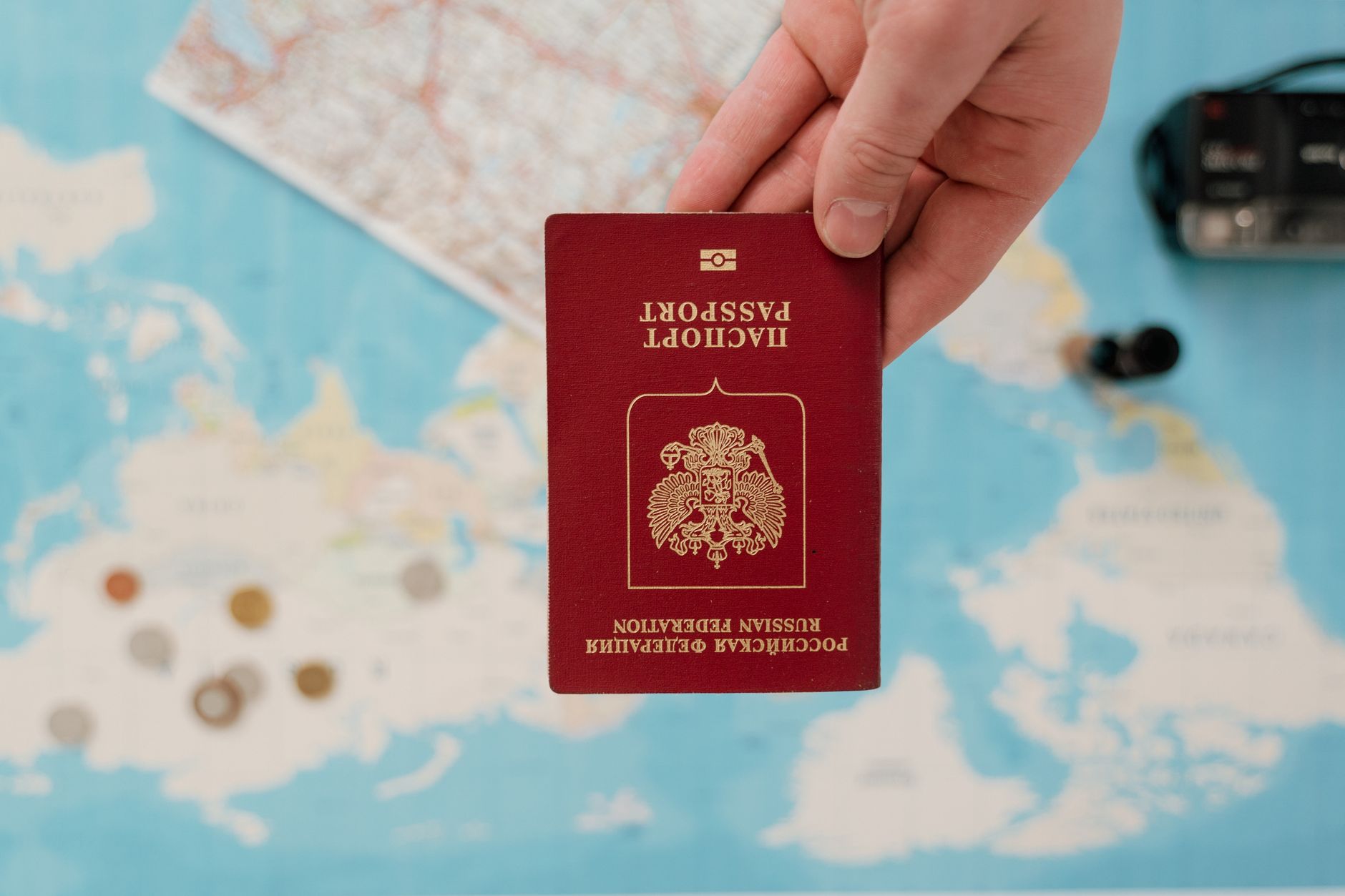
One of the most significant barriers to India's tourism growth remains its complex visa system. While the country introduced e-visa facilities several years ago, the process still involves bureaucratic hurdles that deter spontaneous travel. Many competing destinations in Asia offer visa-on-arrival or visa-free entry to numerous nationalities, making them more attractive for short-notice trips.
The current e-visa system, though an improvement over traditional applications, still requires advance planning and comes with restrictions on entry points and duration of stay. Processing times can be unpredictable, and the multi-layered approval process sometimes results in last-minute rejections that disrupt travel plans.
Countries like Thailand, Indonesia, and Malaysia have demonstrated how liberalized visa policies can dramatically increase tourist arrivals. Thailand's visa exemptions for numerous countries have helped it consistently rank among the world's most visited nations, while Indonesia's expanding visa-free program has boosted its tourism sector considerably.
Infrastructure Gaps and Investment Needs
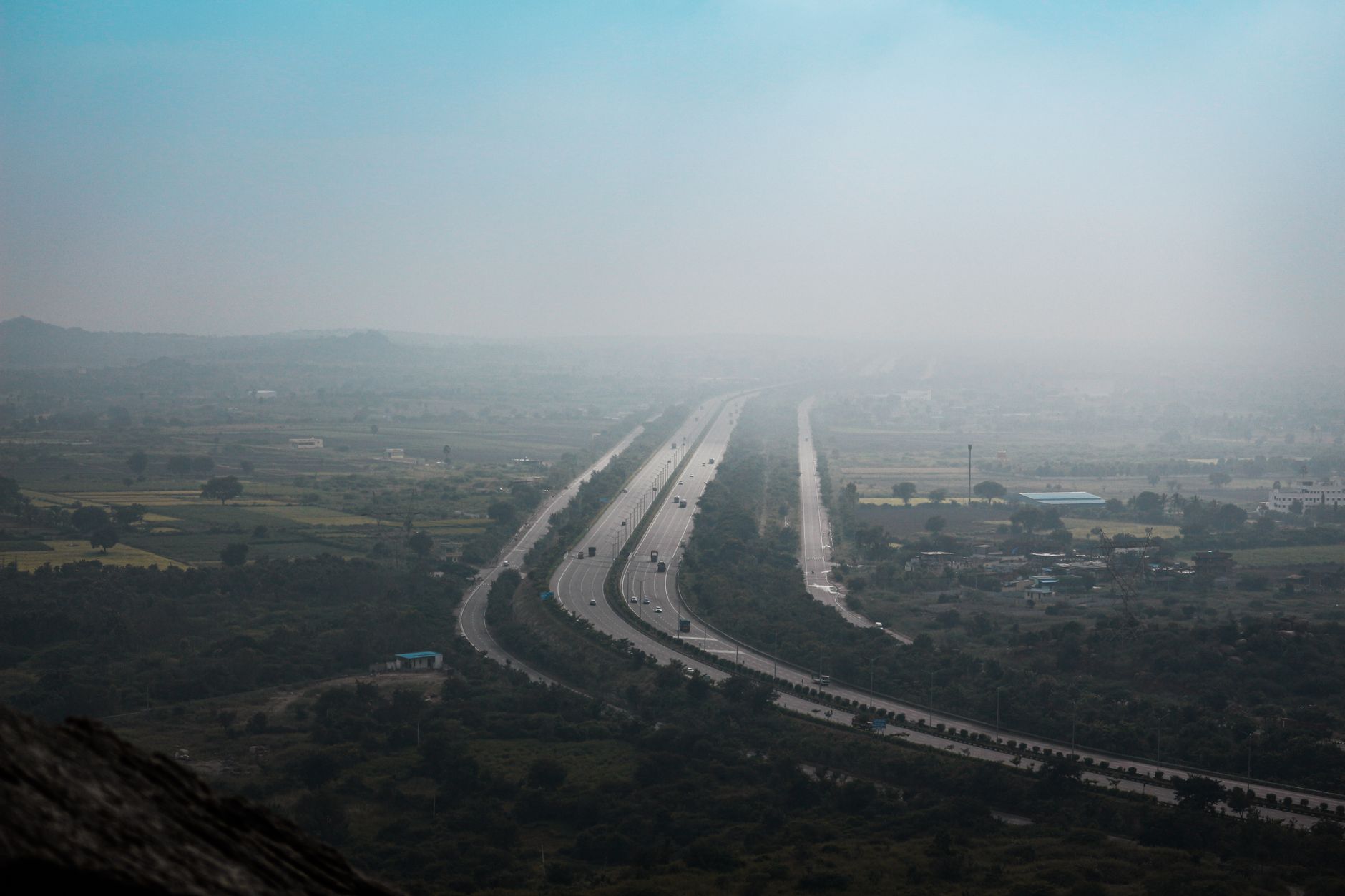
Beyond visa issues, India faces substantial infrastructure challenges that affect the overall visitor experience. While major cities like Mumbai, Delhi, and Bangalore have modern facilities, many tourist destinations lack adequate connectivity, accommodation standards, and supporting amenities.
Key infrastructure concerns include:
- Insufficient airport capacity and connectivity to secondary tourist destinations
- Inadequate public transportation systems in many heritage cities
- Variable standards of cleanliness and maintenance at tourist sites
- Limited availability of international-standard accommodations outside major metros
- Poor last-mile connectivity between transportation hubs and attractions
- Inconsistent digital payment infrastructure in tourist areas
The WTTC's emphasis on investment recognizes that tourism development requires substantial capital deployment across multiple sectors. This includes upgrading airports and railways, improving road networks to tourist sites, developing sustainable tourism infrastructure, and training hospitality workers to international standards.
The Economic Opportunity at Stake
Tourism represents a significant economic opportunity for India. The sector generates millions of jobs, supports small businesses, and brings valuable foreign exchange. However, India's share of global tourist arrivals remains disproportionately small compared to its population and cultural offerings.
Pre-pandemic data showed India receiving approximately 10-11 million international tourists annually, while countries with smaller populations and less diversity were attracting many times that number. France, the world's most visited country, welcomes nearly 90 million international visitors annually, while Thailand sees around 40 million.
The multiplier effect of tourism spending extends across numerous sectors including hospitality, transportation, handicrafts, entertainment, and food services. Increased tourist arrivals could particularly benefit rural and semi-urban areas where heritage sites and natural attractions provide limited alternative employment opportunities.
Learning from Global Best Practices
Successful tourism nations have demonstrated several common strategies that India could adopt. These include aggressive destination marketing campaigns, public-private partnerships for infrastructure development, simplified regulatory frameworks, and consistent quality standards across the tourism value chain.
Dubai's transformation into a global tourism hub showcases how strategic investment and business-friendly policies can create a thriving tourism sector within a relatively short timeframe. Similarly, Singapore's focus on cleanliness, safety, and seamless visitor experiences has made it a preferred destination despite limited natural attractions.
The Path Forward
Implementing meaningful reforms requires coordination across multiple government ministries, state governments, and private sector stakeholders. The WTTC's recommendations likely include expanding visa-free or visa-on-arrival access for key source markets, streamlining approval processes, investing in smart infrastructure that enhances rather than overwhelms destinations, and creating a unified national tourism strategy.
The timing is crucial as global travel patterns evolve post-pandemic, with travelers increasingly seeking authentic cultural experiences and off-the-beaten-path destinations. India possesses these attributes in abundance but must make it easier and more appealing for international visitors to discover them.
Success will require sustained commitment, substantial investment, and willingness to benchmark against international competitors while preserving India's unique character and cultural authenticity.