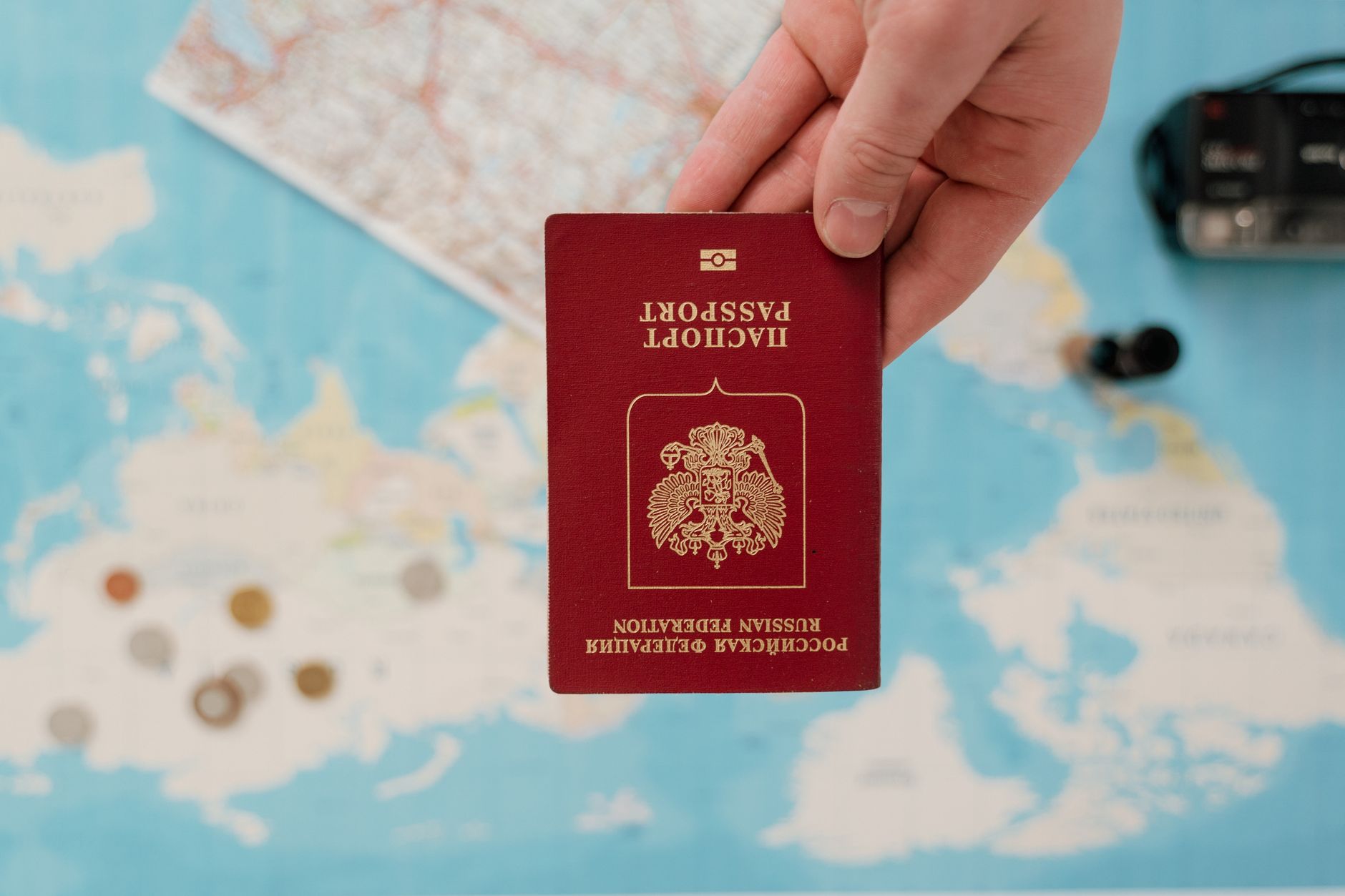
The announcement of an India-focused travel expo has generated optimism across Southeast Asian tourism industries, which are banking on Indian travelers to drive their post-pandemic recovery. As India's middle class expands and disposable incomes rise, the country has positioned itself as a crucial source market for international tourism.
Why Indian Travelers Matter
India is rapidly becoming one of the world's most significant outbound tourism markets. With a population exceeding 1.4 billion people and a growing middle class estimated at over 300 million individuals, the potential for tourism growth is enormous. Indian travelers spent approximately USD 23 billion on international travel in recent years, and this figure is projected to increase substantially over the next decade.
Several factors contribute to this growth. Rising household incomes, increased air connectivity, simplified visa processes for Indian nationals in many countries, and a younger population eager to explore international destinations have all combined to create a tourism boom. Additionally, the expansion of low-cost carriers and competitive airfares has made international travel more accessible to middle-income families.
Southeast Asia's Strategic Position
Southeast Asian destinations have historically been popular among Indian travelers due to their proximity, cultural connections, visa-friendly policies, and affordable pricing. Countries like Thailand, Singapore, Malaysia, Vietnam, and Cambodia have invested heavily in attracting Indian tourists by offering visa-on-arrival facilities, developing Indian cuisine options, and training hospitality staff to understand Indian cultural preferences.
The tourism sectors in these nations were severely impacted by the pandemic, with some countries experiencing tourism revenue drops of 70-90 percent during peak restriction periods. As borders reopened, the race to attract tourists intensified, with Indian travelers identified as a priority demographic due to their spending power and travel frequency.
What Travel Expos Accomplish
Travel expositions serve as crucial platforms connecting destination marketing organizations, hotels, airlines, tour operators, and travel agencies with potential customers and trade partners. These events typically feature:
- Destination pavilions showcasing attractions, accommodations, and experiences
- Business-to-business networking opportunities between travel trade professionals
- Consumer-facing exhibitions where families can explore holiday options
- Special promotional packages and early-bird discounts
- Cultural performances and culinary experiences from featured destinations
For destinations trying to rebuild their tourism sectors, such expos provide concentrated marketing opportunities. Rather than spending resources on dispersed advertising campaigns, tourism boards can directly engage with interested travelers and trade partners who influence booking decisions.
The Broader Recovery Context
The global tourism industry has shown remarkable resilience, with international tourist arrivals recovering to approximately 90 percent of pre-pandemic levels according to recent estimates. However, recovery has been uneven, with some destinations rebounding quickly while others still struggle with infrastructure challenges, labor shortages, and changing traveler preferences.
Indian outbound tourism has recovered particularly strongly, driven by pent-up demand and revenge travel psychology. Many Indian families postponed weddings, honeymoons, and milestone celebrations during the pandemic and are now willing to spend generously on these experiences. Destination weddings, in particular, have become a significant revenue generator, with Indian families often booking entire resorts for multi-day celebrations.
Economic Multiplier Effects
Tourism recovery extends beyond hotels and airlines. The sector creates employment across multiple industries including transportation, food and beverage, retail, entertainment, and handicrafts. For developing economies in Southeast Asia, tourism often represents a significant portion of GDP and foreign exchange earnings.
Indian travelers are known for their comprehensive travel style, often visiting multiple attractions, shopping extensively, and traveling in larger family groups. This behavior pattern creates substantial economic multiplier effects throughout destination economies.
Challenges and Opportunities
While the outlook appears positive, challenges remain. Airlines face capacity constraints, hotels struggle with staff shortages, and some destinations continue grappling with sustainability concerns as tourist numbers increase. Balancing tourism growth with environmental protection and community welfare requires careful planning.
However, opportunities abound for destinations that can effectively position themselves. Emerging travel trends among Indian tourists include wellness tourism, adventure travel, culinary experiences, and bleisure travel combining business and leisure. Destinations that develop specialized products addressing these interests stand to benefit significantly.
The focus on Indian travelers through dedicated travel expos represents a strategic approach to tourism recovery, acknowledging India's position as a vital source market and creating targeted opportunities for engagement and growth.