India's travel and tourism landscape has undergone a remarkable transformation, with domestic tourists now contributing a staggering 86% of total travel spending in the country. This data from the World Travel & Tourism Council reveals not just a statistic, but a fundamental shift in Indian consumer behavior and the maturation of the country's tourism sector.
The Rise of the Indian Traveler
The dominance of domestic tourism spending reflects several converging trends. Improved connectivity through highways, railways, and affordable air travel has made previously remote destinations accessible to middle-class families. The expansion of India's middle class, now estimated at over 300 million people, has created a vast pool of travelers with disposable income and aspirations to explore their own country.
Social media has played an equally important role. Instagram-worthy destinations within India have captured the imagination of young professionals and families alike. From the backwaters of Kerala to the monasteries of Ladakh, Indians are discovering that world-class travel experiences exist within their own borders.
Economic Implications
This domestic-driven model provides remarkable resilience to India's tourism sector. Unlike countries heavily dependent on international visitors, India's travel economy remains relatively insulated from global disruptions, currency fluctuations, or international travel restrictions. The pandemic years demonstrated this advantage, with domestic tourism recovering far more quickly than international arrivals.
The multiplier effect of domestic spending extends deep into local economies. When Indian families travel within the country, their spending supports small hotels, local restaurants, regional handicraft industries, and community-based tourism initiatives. This creates employment opportunities in tier-2 and tier-3 cities, contributing to more balanced regional development.
Changing Travel Patterns
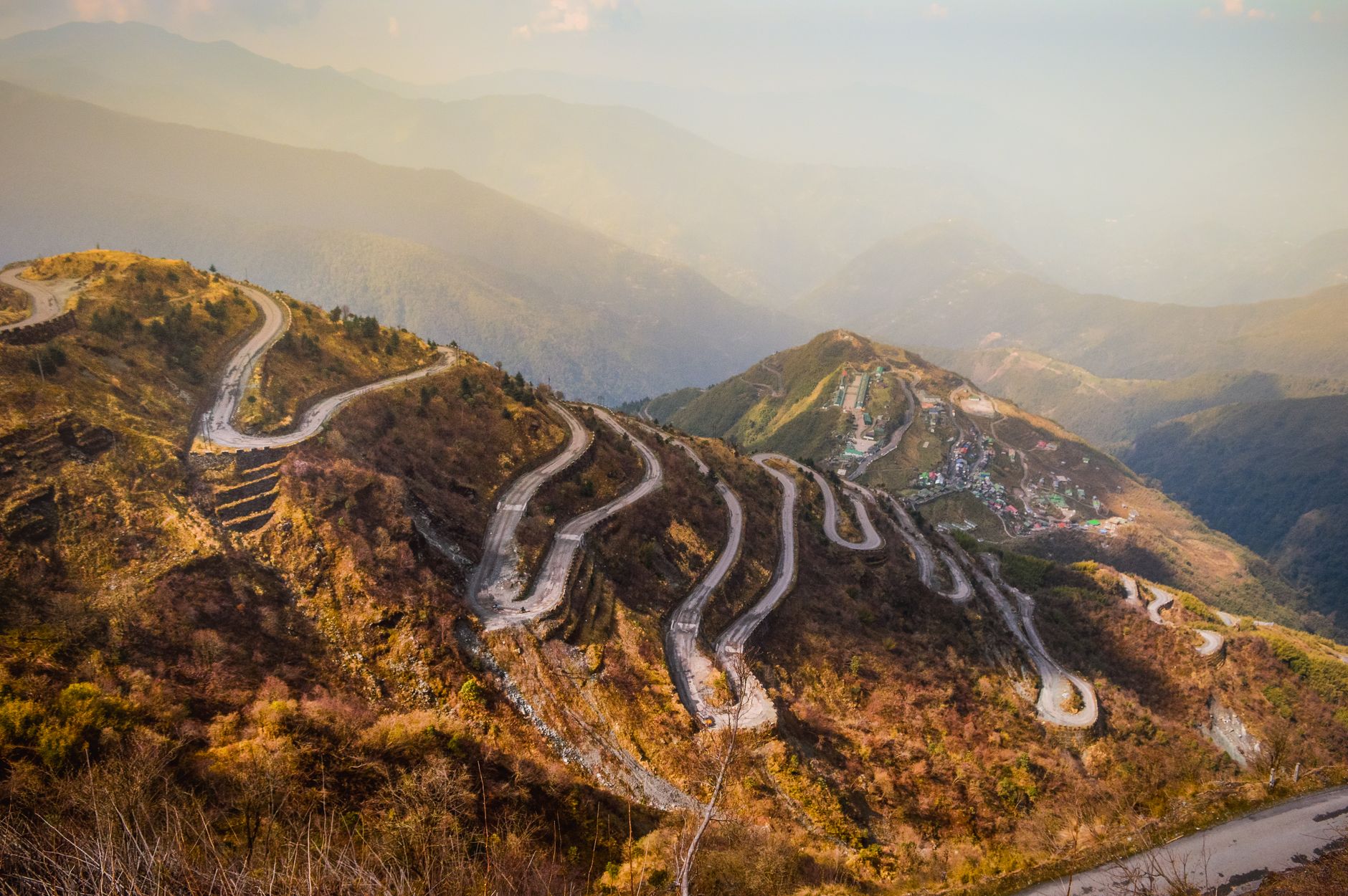
Indian domestic tourists are also evolving in their preferences and spending habits. Weekend getaways have become increasingly popular, with working professionals seeking quick escapes from metropolitan areas. Hill stations within a few hours' drive of major cities see consistent year-round traffic rather than just seasonal peaks.
Adventure tourism, wellness retreats, and experiential travel are growing segments. Today's Indian traveler seeks more than traditional sightseeing. They want yoga retreats in Rishikesh, wildlife safaris in Ranthambore, scuba diving in the Andamans, or cultural immersion in Rajasthan's heritage properties.
Spiritual and religious tourism continues to command significant spending, with improved infrastructure around pilgrimage sites attracting both devout travelers and those interested in cultural heritage. The revitalization of temple towns and religious circuits has created modern amenities while preserving traditional significance.
Infrastructure Development
The government's focus on infrastructure has been instrumental in facilitating this domestic tourism boom. The development of regional airports under the UDAN scheme has connected smaller cities directly, eliminating the need for multiple connections through major hubs. Express highways have reduced travel times between popular destinations, making road trips more attractive.
Heritage site development, cleanliness initiatives, and digital payment infrastructure have enhanced the overall travel experience. Even remote areas now offer acceptable standards of accommodation and connectivity, removing barriers that previously deterred domestic travelers.
Challenges and Opportunities
Despite the positive trajectory, challenges remain. Overcrowding at popular destinations, particularly during peak seasons and holidays, can diminish the visitor experience. Environmental concerns at ecologically sensitive sites require better crowd management and sustainable tourism practices.
Price sensitivity remains a defining characteristic of Indian domestic tourists. While willingness to spend on travel has increased, value for money remains paramount. This creates opportunities for budget and mid-range accommodation providers but can pressure profit margins.
The seasonal concentration of travel around school holidays and festivals creates operational challenges for the tourism industry. Encouraging off-season travel through dynamic pricing and promotional campaigns could help distribute tourist flows more evenly throughout the year.
The Path Forward
The 86% domestic share of travel spending represents both achievement and opportunity. As disposable incomes continue to rise and new destinations develop tourism infrastructure, this number is likely to grow in absolute terms even if the percentage stabilizes.
For tourism businesses, understanding the domestic traveler is no longer optional—it's essential. Tailoring experiences to Indian preferences, offering family-friendly amenities, and providing value-oriented packages will determine success in this market.
India's tourism story is increasingly being written by Indians themselves, exploring the remarkable diversity of their own country while driving economic growth and cultural exchange across regions.