Indian Railways, one of the world's largest rail networks, is embarking on an ambitious transformation by integrating hydrogen fuel cell technology into its operations. This strategic move represents India's commitment to reducing carbon emissions while showcasing homegrown innovation in clean energy transportation.
Understanding Hydrogen Fuel Cell Technology
Hydrogen fuel cells generate electricity through a chemical reaction between hydrogen and oxygen, with water vapor being the only byproduct. Unlike traditional diesel locomotives that emit harmful pollutants, hydrogen-powered trains offer a zero-emission alternative. The technology works by combining hydrogen stored in tanks with oxygen from the air, producing electrical energy that powers the train's motors.
This indigenous technology development is particularly significant for India, reducing dependency on foreign suppliers and fostering domestic research and development capabilities. By developing this technology locally, Indian engineers and scientists are creating solutions tailored to the country's unique railway infrastructure and operational requirements.
Why Hydrogen for Indian Railways
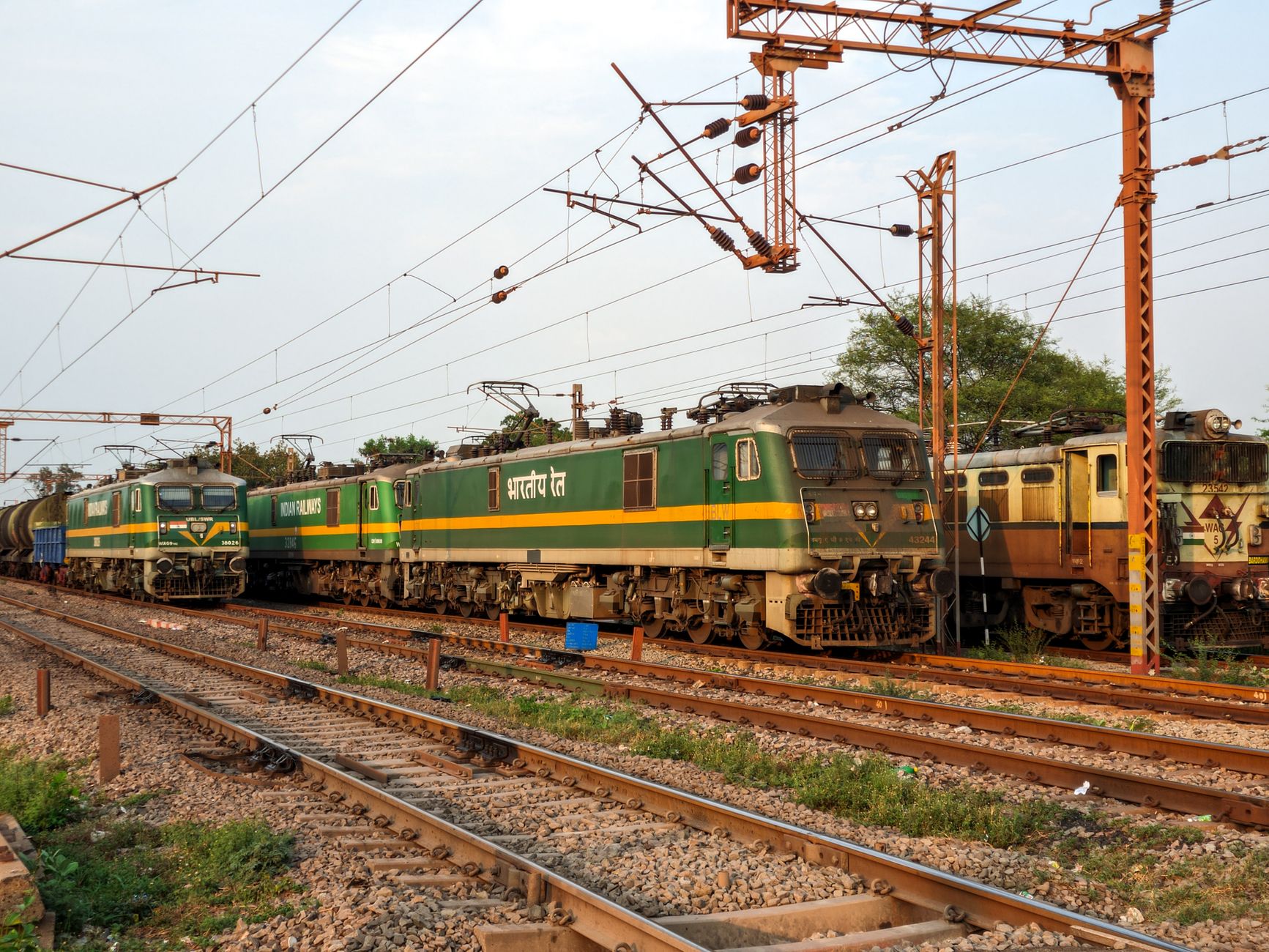
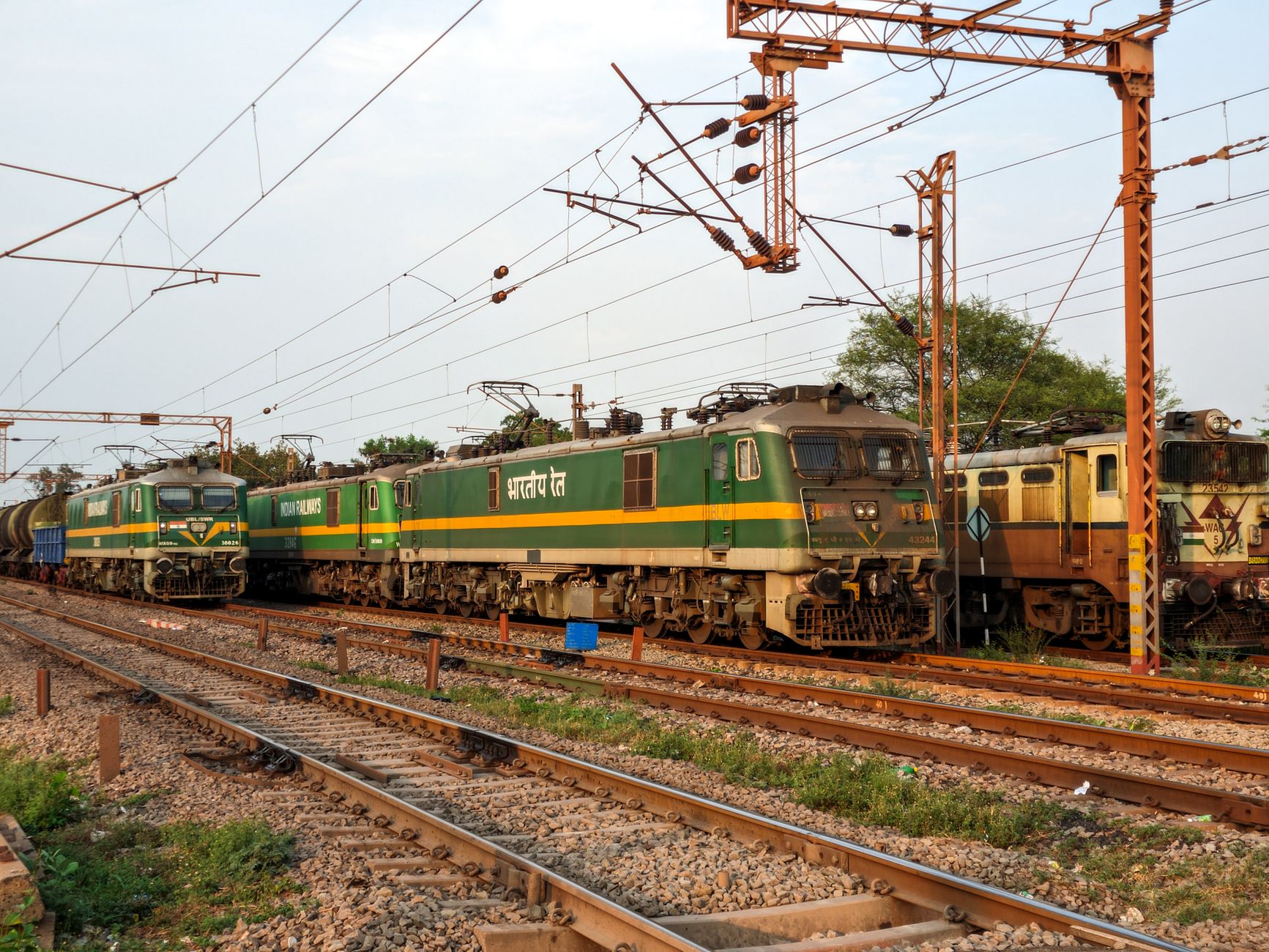
India's railway network spans over 68,000 kilometers and serves millions of passengers daily. The sector has traditionally relied heavily on diesel locomotives for non-electrified routes, contributing substantially to carbon emissions. Several factors make hydrogen fuel cells an attractive alternative:
- Zero direct emissions, helping India meet its climate commitments under the Paris Agreement
- Quiet operation compared to diesel engines, reducing noise pollution in urban and rural areas
- Lower operational costs over time, despite higher initial investment
- Energy independence by utilizing domestically produced hydrogen
- Compatibility with existing railway infrastructure with minimal modifications
Implementation and Pilot Projects
The Ministry of Railways has been working systematically to introduce this technology across select routes. Initial pilot projects focus on heritage and tourist routes where the environmental impact is particularly visible and valued by passengers. These trials allow engineers to gather real-world performance data, test the technology under various climatic conditions, and refine systems before broader deployment.
The first hydrogen-powered trains are expected to operate on routes where electrification is challenging or economically unviable. Mountain railways and routes through ecologically sensitive areas are prime candidates, as they benefit most from emission-free transportation.
Indigenous Development Advantage
By developing hydrogen fuel cell technology domestically, India gains several strategic advantages. Local production creates jobs in advanced manufacturing sectors and builds expertise in cutting-edge clean energy technologies. It also ensures better after-sales service, easier maintenance, and faster troubleshooting compared to imported systems.
Research institutions, railway workshops, and private sector partners are collaborating to refine the technology. This ecosystem approach accelerates innovation while keeping costs manageable for large-scale deployment.
Infrastructure Requirements
Transitioning to hydrogen-powered trains requires establishing refueling infrastructure along railway routes. Hydrogen production facilities, storage systems, and refueling stations need to be strategically located. India's growing green hydrogen production capacity, driven by renewable energy sources like solar and wind, positions the country well to support this infrastructure development.
The government's National Hydrogen Mission provides a policy framework supporting hydrogen production and utilization across sectors, including transportation. This coordinated approach ensures that railway electrification through hydrogen aligns with broader energy transition goals.
Challenges and Solutions
Despite the promise, several challenges require attention. Hydrogen production costs remain higher than conventional fuels, though prices are declining as renewable energy becomes cheaper. Storage and transportation of hydrogen require specialized equipment and safety protocols. Additionally, training railway staff to operate and maintain hydrogen systems demands significant investment in skill development.
However, economies of scale, technological improvements, and increasing environmental regulations are making hydrogen increasingly competitive. As production volumes increase and technology matures, costs will continue declining.
Global Context and India's Position
Several countries, including Germany, France, and Japan, have already deployed hydrogen trains commercially. India's indigenous development effort distinguishes it from nations that primarily import this technology. By building domestic capabilities, India positions itself not just as an adopter but potentially as an exporter of hydrogen railway solutions to other developing nations facing similar challenges.
The transition to hydrogen-powered railways represents more than an environmental initiative. It demonstrates India's technological capabilities, commitment to sustainable development, and ability to innovate solutions addressing both climate change and economic development simultaneously. As the technology proves itself on Indian tracks, it paves the way for a cleaner, quieter, and more sustainable future for rail transportation.