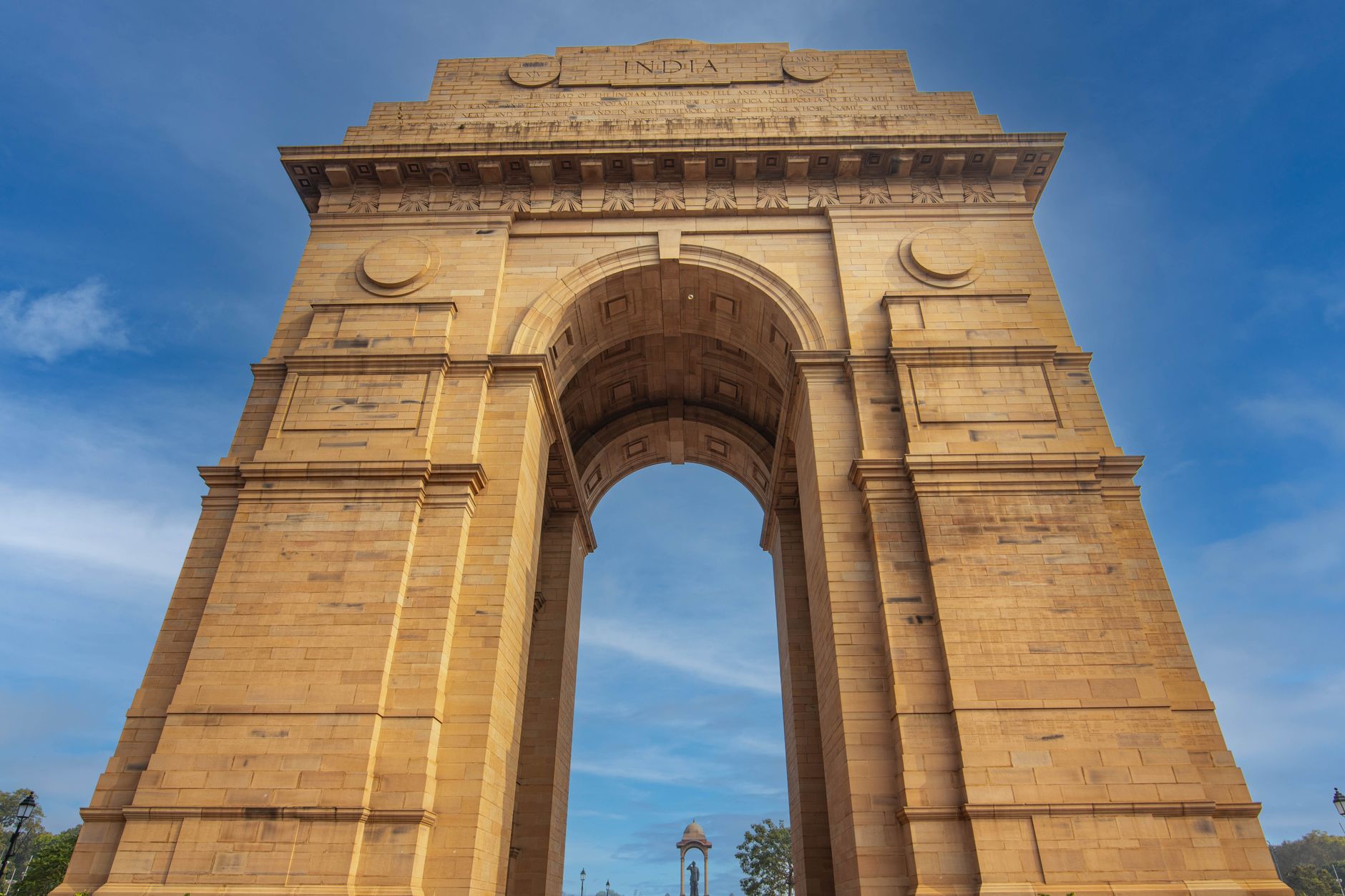
India has announced a comprehensive package of investment incentives designed to accelerate the development of luxury resorts across its southern states, marking a significant push to elevate the country's position in the global hospitality market. This strategic initiative targets international hotel chains and investors, offering attractive benefits to establish premium properties in regions known for their beaches, backwaters, hill stations, and cultural heritage.
Understanding the Investment Framework
The new incentive structure represents a coordinated effort between central and state governments to streamline the approval process and reduce barriers to entry for international hospitality brands. The southern states of Kerala, Karnataka, Tamil Nadu, Goa, and Andhra Pradesh have been identified as priority destinations due to their existing tourism infrastructure, natural beauty, and connectivity to international airports.
Key incentives reportedly include tax holidays for new resort developments, subsidized land acquisition in designated tourism zones, expedited environmental clearances, and infrastructure support for utilities and road connectivity. Several states are also offering capital subsidies and reduced stamp duties for luxury hospitality projects meeting minimum investment thresholds.
Why Southern India Appeals to Global Hotel Chains
Southern India has long been regarded as one of the subcontinent's most attractive tourism regions, combining tropical coastlines, lush mountain ranges, ancient temples, and vibrant cultural traditions. Kerala's backwaters, Goa's beaches, Karnataka's tech-savvy cities and wildlife reserves, and Tamil Nadu's temple architecture create diverse offerings for international travelers.
The region benefits from relatively well-developed infrastructure compared to other parts of India, with multiple international airports in cities like Bengaluru, Chennai, Kochi, and Hyderabad facilitating direct connectivity from major global hubs. The southern states also generally maintain higher standards of governance and ease of doing business, making them more attractive to foreign investors.
Targeting the 2026 Tourism Milestone
The government has set ambitious targets for 2026, aiming to significantly increase both international tourist arrivals and foreign exchange earnings from tourism. This timeline aligns with broader economic development goals and India's push to position itself as a year-round destination rather than a seasonal one.
Current projections suggest India could welcome substantially more international visitors annually if luxury accommodation capacity increases to match global standards. The country has historically faced criticism for having insufficient high-end resort options compared to regional competitors like Thailand, Indonesia, and the Maldives.
Impact on Different Traveler Segments
These developments signal positive changes for various types of travelers. Business travelers and digital nomads may benefit from expanded workcation options combining luxury amenities with India's relatively low cost of living. The growing presence of international brands may also introduce more consistent service standards and loyalty program benefits familiar to global travelers.
Leisure tourists seeking beach resorts, wellness retreats, or heritage experiences will likely find enhanced options beyond the current concentration in established destinations. The investment push may also accelerate development in lesser-known coastal areas and hill stations, distributing tourism benefits more widely across southern India.
Considerations for Prospective Visitors
While luxury resort expansion promises improved amenities, travelers should remain mindful that even new developments operate within India's unique regulatory and cultural context. Standards of accessibility, environmental practices, and local integration vary considerably across projects.
International travelers considering extended stays should research specific visa categories, as India has introduced various schemes for long-term visitors including e-visas with extended validity. Digital nomads and remote workers should verify internet reliability and workspace facilities before booking extended stays, as connectivity quality can vary significantly even within luxury properties.
Environmental and Community Concerns
The rapid expansion of luxury tourism infrastructure raises important questions about environmental sustainability and impact on local communities. Coastal developments in particular face scrutiny regarding beach access, waste management, and effects on marine ecosystems. Several environmental groups have raised concerns about projects in ecologically sensitive areas.
Responsible travelers may want to research individual properties' sustainability practices and community engagement initiatives before booking. The most successful luxury resort developments typically involve local communities in meaningful ways, from employment opportunities to cultural programming that benefits both visitors and residents.
The coming years will reveal whether India's strategic incentives successfully attract the intended investment while balancing growth with environmental protection and equitable development. For travelers, the initiative promises expanded choices and potentially enhanced experiences across one of the world's most culturally rich tourism destinations.
This article provides general information about tourism developments and should not be considered investment, legal, or travel advice. Travelers should verify current visa requirements, health advisories, and booking conditions before making travel arrangements.