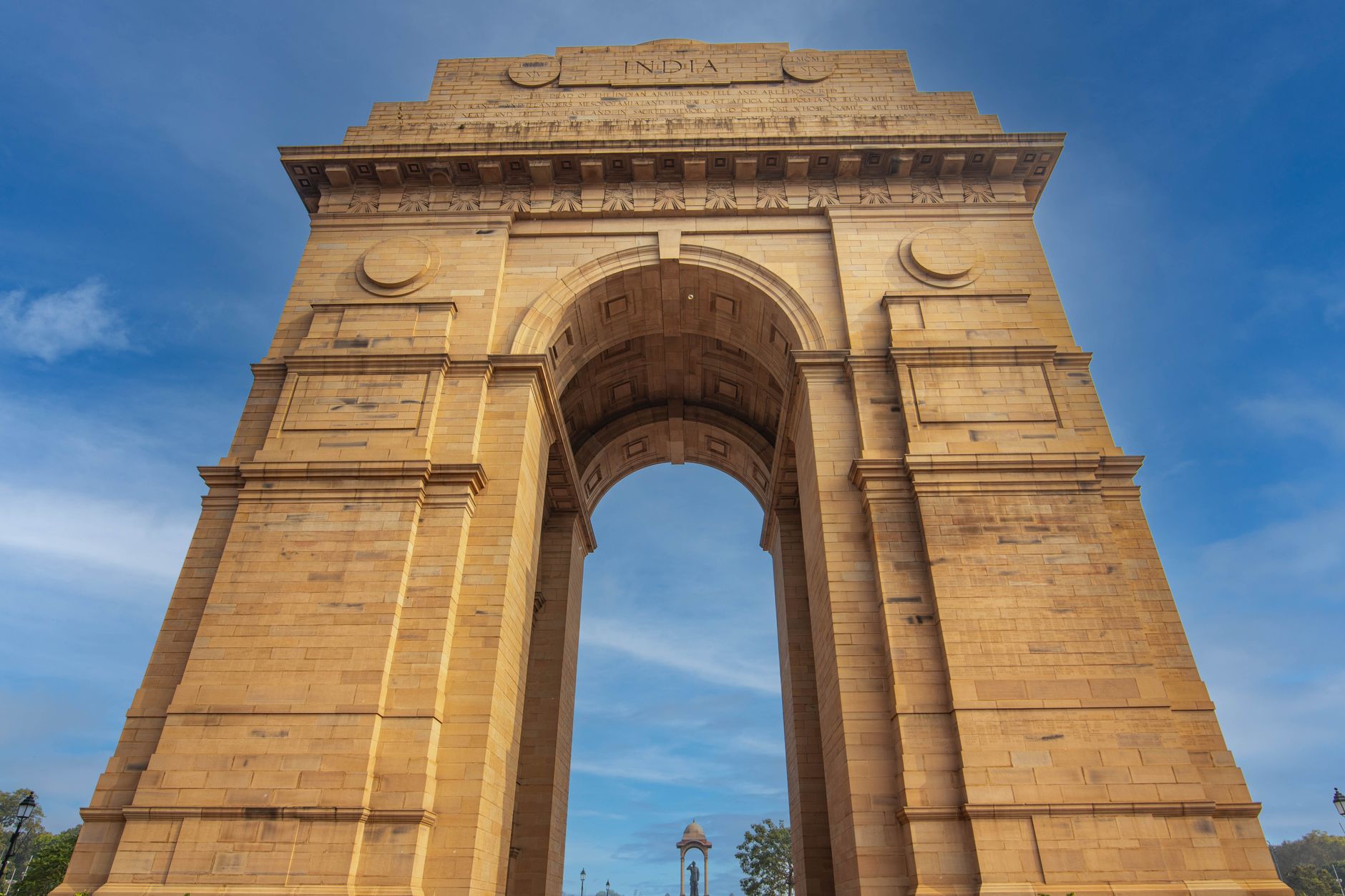
India has long been a destination of mystique and allure for travelers worldwide, from the majestic Taj Mahal to the serene backwaters of Kerala. Yet despite its rich cultural heritage, diverse landscapes, and ancient history, the country has only scratched the surface of its tourism potential. The success story that has unfolded in recent years is merely the beginning of what could become a transformational journey for the nation's economy and global standing.
Current State of Indian Tourism
India's tourism sector has witnessed remarkable growth over the past decade, contributing significantly to GDP and employment. Domestic tourism has flourished, with millions of Indians exploring their own country's treasures. The government's push for infrastructure development, digitalization of services, and promotional campaigns has yielded positive results.
However, when compared to countries like Thailand, which attracts nearly 40 million international visitors annually, or even smaller nations like Singapore, India's international tourist arrivals remain modest relative to its size and attractions. This gap represents not a failure but an enormous opportunity waiting to be tapped.
Barriers to International Travel
Several factors have historically constrained international tourism to India. The visa process, while improved through e-visa facilities, remains more cumbersome than many competing destinations. Infrastructure challenges in tier-2 and tier-3 cities, where some of India's most authentic experiences exist, deter travelers seeking comfort alongside adventure.
Perception issues also play a role. Concerns about safety, hygiene standards, and the complexity of navigating a vast and diverse country can intimidate first-time visitors. Additionally, international connectivity to smaller cities with major tourist attractions remains limited, forcing travelers into exhausting itineraries.
The Untapped Potential
India's tourism potential is staggering when examined closely. The country offers unparalleled diversity within a single destination—snow-capped Himalayan peaks, tropical beaches, wildlife reserves, spiritual centers, historical monuments spanning millennia, and culinary experiences that vary every few hundred kilometers.
The rise of experiential and wellness tourism globally plays directly into India's strengths. Yoga tourism, Ayurvedic treatments, meditation retreats, and spiritual journeys attract high-value travelers. Adventure tourism opportunities range from trekking in Ladakh to scuba diving in the Andaman Islands.
Cultural tourism remains a massive draw, with UNESCO World Heritage Sites, ancient temples, vibrant festivals, and living traditions offering authentic experiences that manufactured attractions cannot replicate. The country's film industry, technology sector, and educational institutions also create opportunities for specialized travel segments.
Steps to Unlock International Tourism
Transforming India into a global tourism powerhouse requires coordinated action across multiple fronts:
- Streamlining visa processes further, potentially introducing visa-on-arrival for more countries and extending e-visa validity periods
- Developing tourism infrastructure in lesser-known destinations to distribute visitor flows beyond overcrowded hotspots
- Improving last-mile connectivity through better roads, regional airports, and integrated transport systems
- Enhancing cleanliness and sanitation standards, particularly in tourist areas and public spaces
- Training hospitality workers in international service standards and language skills
- Creating specialized tourism circuits themed around wellness, adventure, heritage, or cuisine
- Leveraging digital marketing to reshape perceptions and showcase lesser-known destinations
- Ensuring tourist safety through dedicated tourist police and support systems
Economic and Social Impact
The economic implications of unlocking India's tourism potential are profound. Tourism is a labor-intensive sector that creates jobs across skill levels, from guides and drivers to hotel managers and artisans. It can revitalize rural economies, preserve traditional crafts, and provide sustainable livelihoods.
Foreign exchange earnings from tourism can support the current account balance, while investments in tourism infrastructure benefit local populations beyond just tourist services. The multiplier effect of tourism spending ripples through transportation, food and beverage, entertainment, and retail sectors.
The Path Forward
India's tourism success story is indeed just beginning. The foundation has been laid through improved connectivity, digital infrastructure, and growing global interest in authentic cultural experiences. The post-pandemic travel landscape, with travelers seeking meaningful and transformative experiences, aligns perfectly with what India offers.
The challenge now is execution—translating potential into reality through sustained investment, policy reforms, and private sector innovation. Countries that have successfully built tourism powerhouses have done so through decades of consistent effort, and India must embrace this long-term perspective.
With strategic focus on international travelers while maintaining the domestic tourism momentum, India can realistically aspire to welcome 50-100 million international visitors annually within the next decade. This would not only generate substantial economic value but also position India as a must-visit destination on every global traveler's list, finally claiming its rightful place among the world's tourism leaders.