India's tourism sector has achieved a significant milestone, with the industry's economic contribution reaching $263.6 billion according to recent data from the World Travel & Tourism Council. This impressive figure underscores the country's growing importance as a global tourism destination and signals a robust recovery from pandemic-era setbacks.
A Rising Star in Global Tourism
The tourism and hospitality sector has long been a vital component of India's economy, but recent growth patterns suggest the country is positioned to climb even higher in global rankings. The sector currently supports millions of jobs across the country, from hotel staff and tour guides to restaurant workers and artisans who create handicrafts for tourists.
The $263.6 billion valuation represents not just direct spending by tourists, but the entire ecosystem that supports travel and tourism. This includes accommodation, transportation, food and beverage services, entertainment, and the broader supply chains that serve these industries. When tourists spend money in India, it creates a ripple effect throughout the economy.
What's Driving Tourism Growth
Several factors have contributed to India's tourism boom. Improved infrastructure, including new airports and modernised railway systems, has made travel within the country more accessible and comfortable. The government's e-visa programme has simplified entry for international visitors, removing bureaucratic hurdles that once deterred tourists.
India's incredible diversity remains its strongest tourism asset. Key attractions driving visitor numbers include:
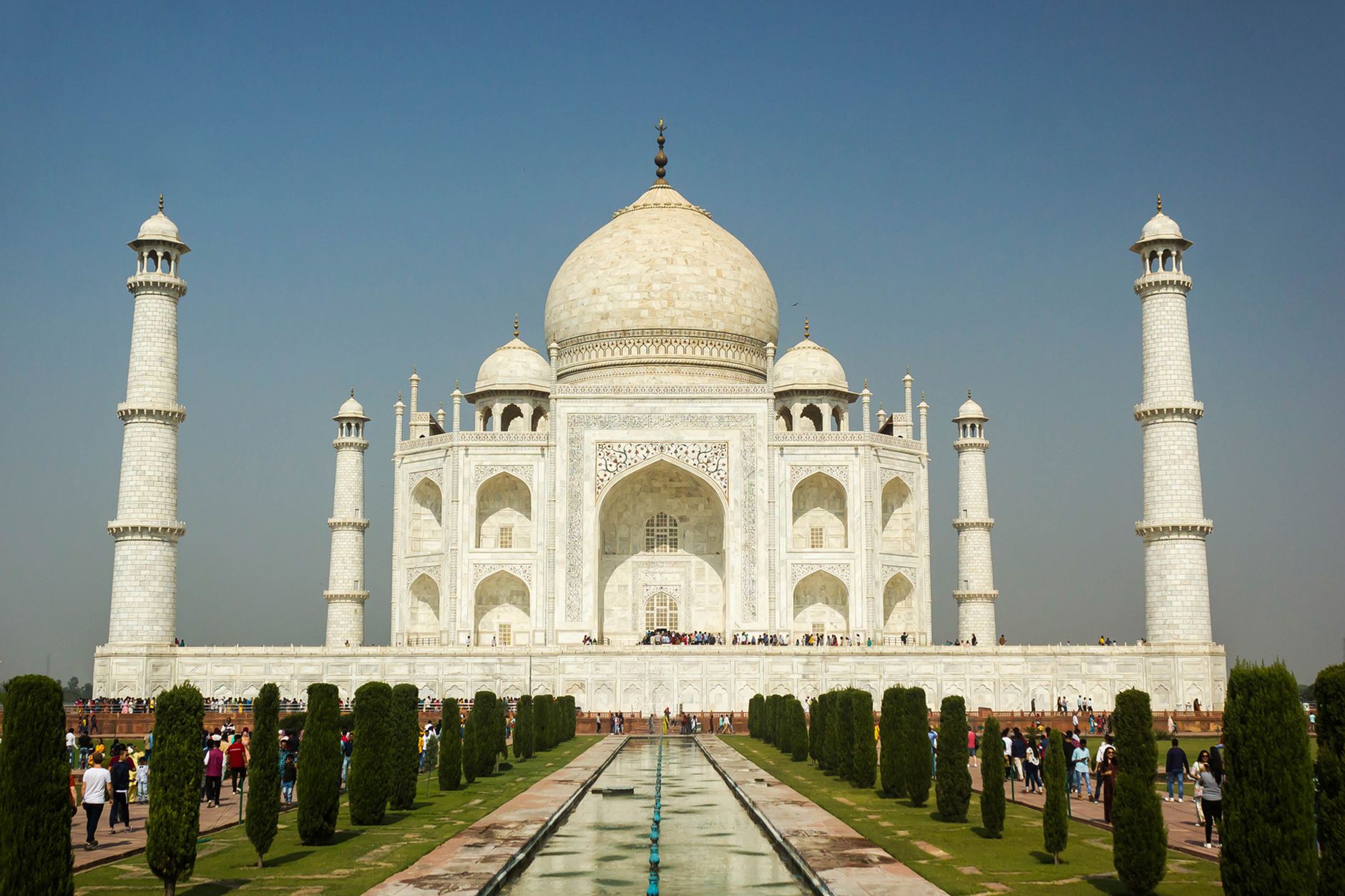
- The iconic Taj Mahal and historical monuments across Rajasthan
- Spiritual tourism in Varanasi, Rishikesh, and other holy cities
- Beach destinations in Goa, Kerala, and the Andaman Islands
- Adventure tourism in Himalayan regions and wildlife sanctuaries
- Ayurvedic wellness retreats and yoga centres
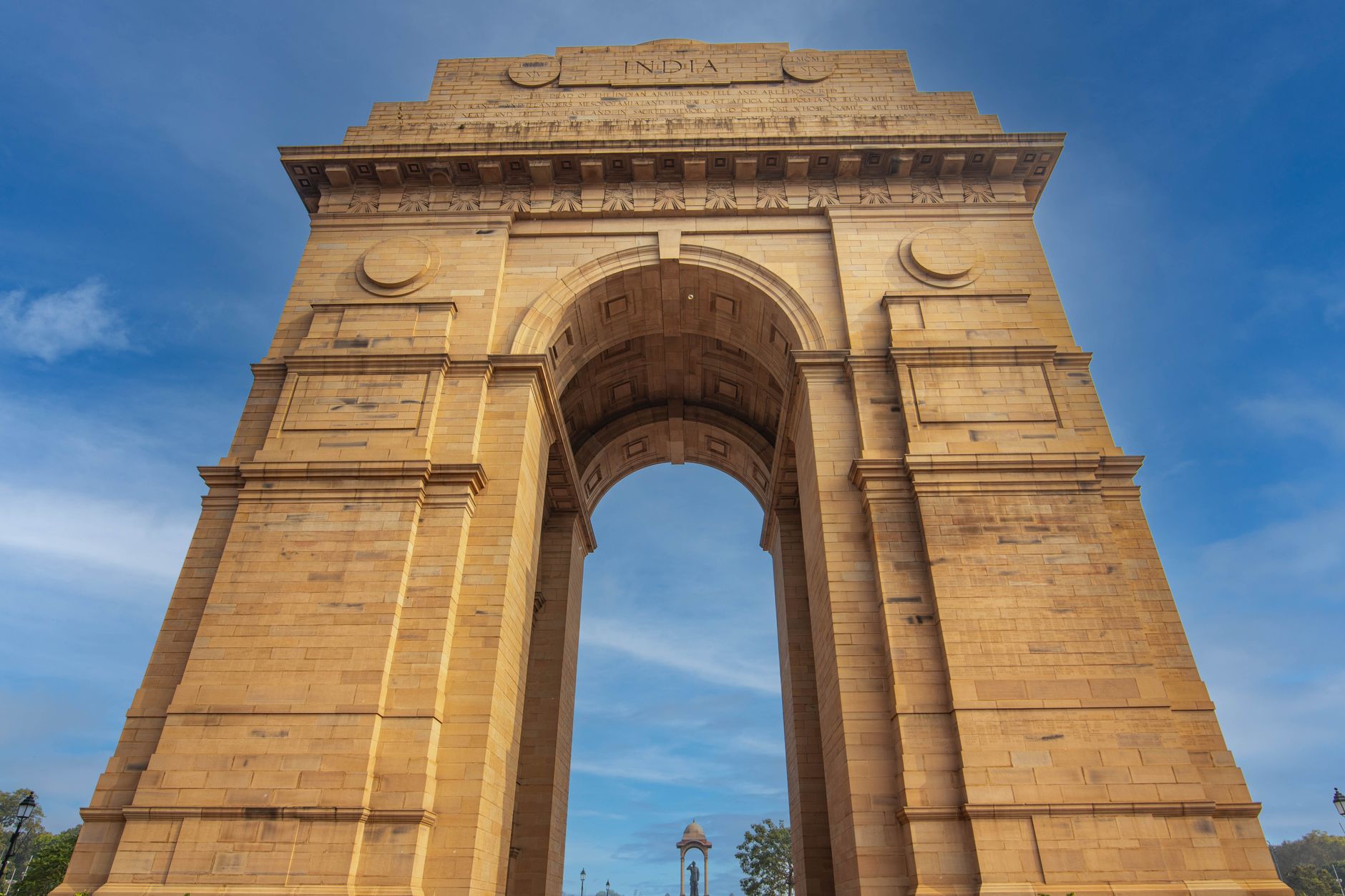
- Vibrant metropolitan experiences in Mumbai, Delhi, and Bangalore
The Domestic Tourism Boom
While international arrivals grab headlines, domestic tourism has emerged as the real powerhouse behind India's tourism growth. A burgeoning middle class with disposable income and a desire to explore their own country has created massive demand for tourism services. Weekend getaways, pilgrimages, and family holidays have become increasingly common as Indians rediscover their own backyard.
The rise of budget airlines and online travel platforms has democratised travel, making it affordable for millions who previously could not consider tourism as a leisure activity. Social media has also played a role, with scenic destinations going viral and inspiring travellers to visit lesser-known locations beyond traditional tourist circuits.
Economic Impact and Job Creation
The tourism sector's contribution extends far beyond the direct revenue figures. The industry is labour-intensive, creating employment opportunities across skill levels from entry-level positions to highly specialised roles in hospitality management and tourism planning.
Small businesses particularly benefit from tourism growth. Local restaurants, handicraft shops, transportation providers, and home-stay operators all participate in the tourism economy. In many rural and remote areas, tourism has become a crucial source of income, providing alternatives to agriculture and helping stem urban migration.
Challenges on the Path Forward
Despite impressive growth numbers, India faces several challenges in its quest to break into the global top four. Infrastructure in some popular destinations struggles to keep pace with visitor numbers, leading to overcrowding and environmental concerns. Maintaining cleanliness and sanitation standards remains an ongoing effort, particularly at heritage sites and natural attractions.
Safety perceptions, particularly for solo female travellers, require continued attention through improved policing and tourist-friendly initiatives. Competition from other Asian destinations with more developed tourism infrastructure means India must continually innovate and improve its offerings.
The Road to Top Four
Reaching the global top four would place India alongside tourism giants like the United States, Spain, and France. Achieving this goal will require sustained investment in infrastructure, skills development for hospitality workers, and marketing campaigns that showcase India's diverse offerings to international audiences.
The government's focus on developing new tourism circuits, promoting sustainable tourism practices, and improving digital connectivity at tourist sites demonstrates commitment to this ambitious target. If current growth trajectories continue and challenges are addressed systematically, India's goal of joining the world's top tourism economies appears increasingly achievable.
The tourism sector's success story reflects broader economic confidence and India's growing soft power on the global stage, making it a sector worth watching in coming years.