India's travel and tourism sector has emerged as one of the fastest-growing industries in the country, contributing significantly to GDP and employment. The industry encompasses domestic and international tourism, hospitality services, transportation, and related ancillary services that together form a vital pillar of the Indian economy.
The Scale of India's Tourism Industry
The travel and tourism sector in India has shown remarkable resilience and growth over recent years. The industry contributes approximately 7-8% to India's GDP and provides employment to millions across various skill levels. From hotel staff and tour guides to airline employees and handicraft sellers, the ripple effect of tourism touches countless livelihoods.
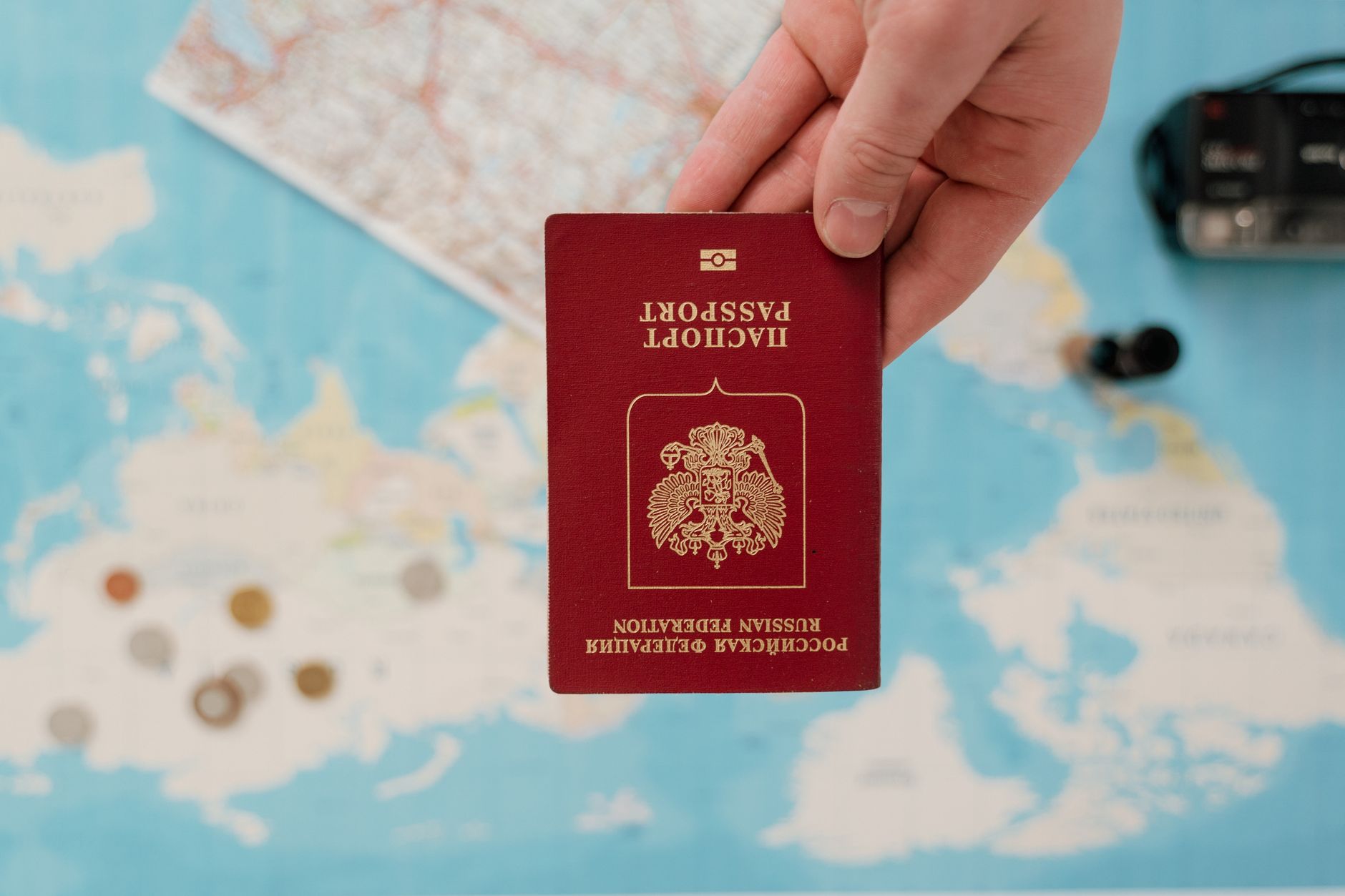
India welcomed over 10 million foreign tourist arrivals in recent years, while domestic tourism has exploded to over 2 billion visits annually. This massive domestic market has become the backbone of the industry, with Indians increasingly exploring their own country's diverse offerings.
Key Growth Drivers
Several factors are propelling India's travel boom. Rising disposable incomes among the middle class have made travel more accessible to millions of families. The aspirational value of travel, particularly among younger generations, has transformed it from a luxury to an essential life experience.
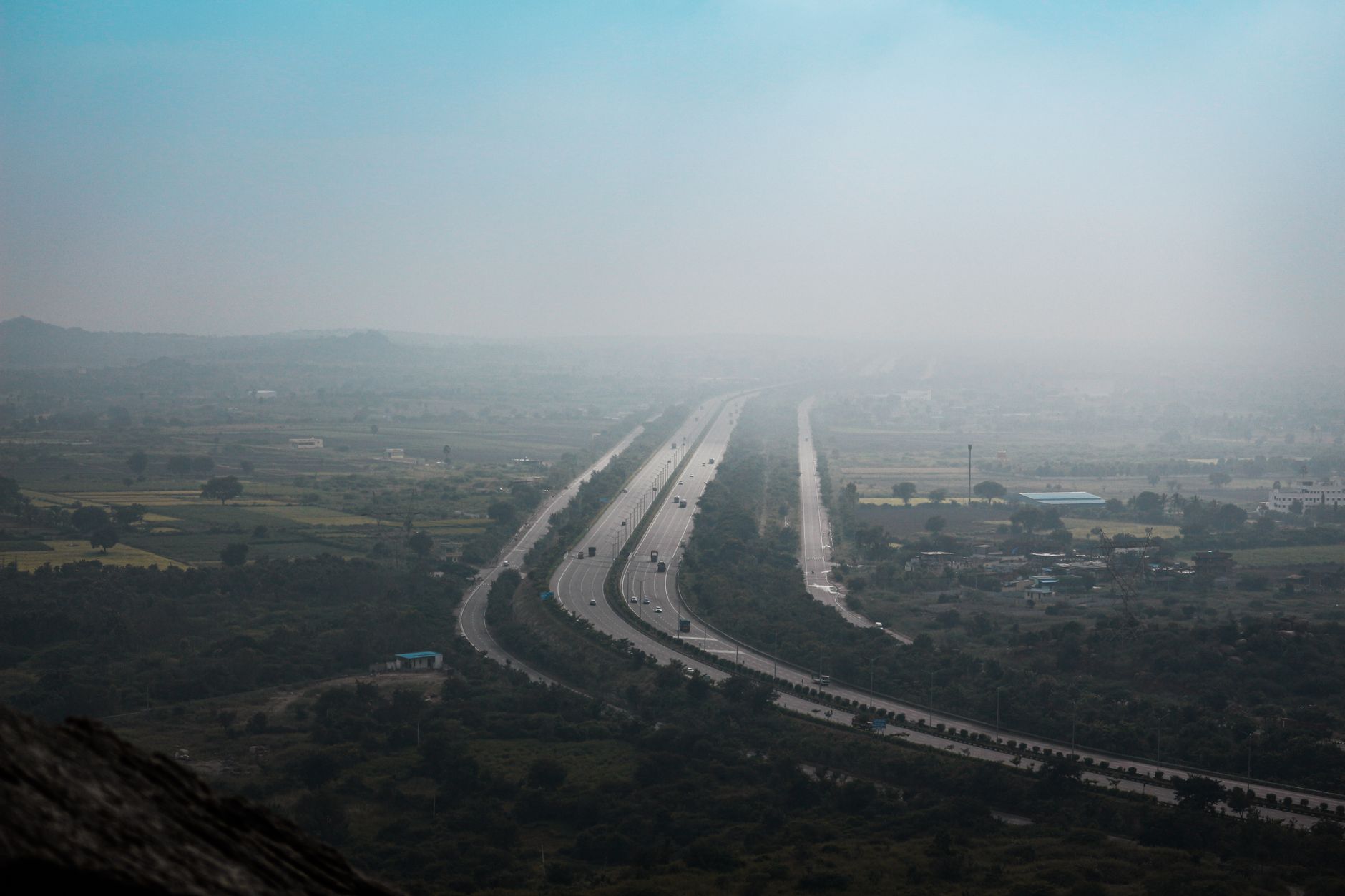
Infrastructure development has played a crucial role. The expansion of airports, with new terminals in tier-2 and tier-3 cities, has made air travel more accessible. The government's UDAN scheme has connected smaller cities with affordable flights, democratizing air travel across the country.
Digital transformation has revolutionized how Indians plan and book travel. Online travel agencies, hotel aggregators, and travel apps have made research, comparison, and booking seamless. The penetration of smartphones and internet connectivity even in rural areas has brought travel options to everyone's fingertips.
Popular Tourism Segments
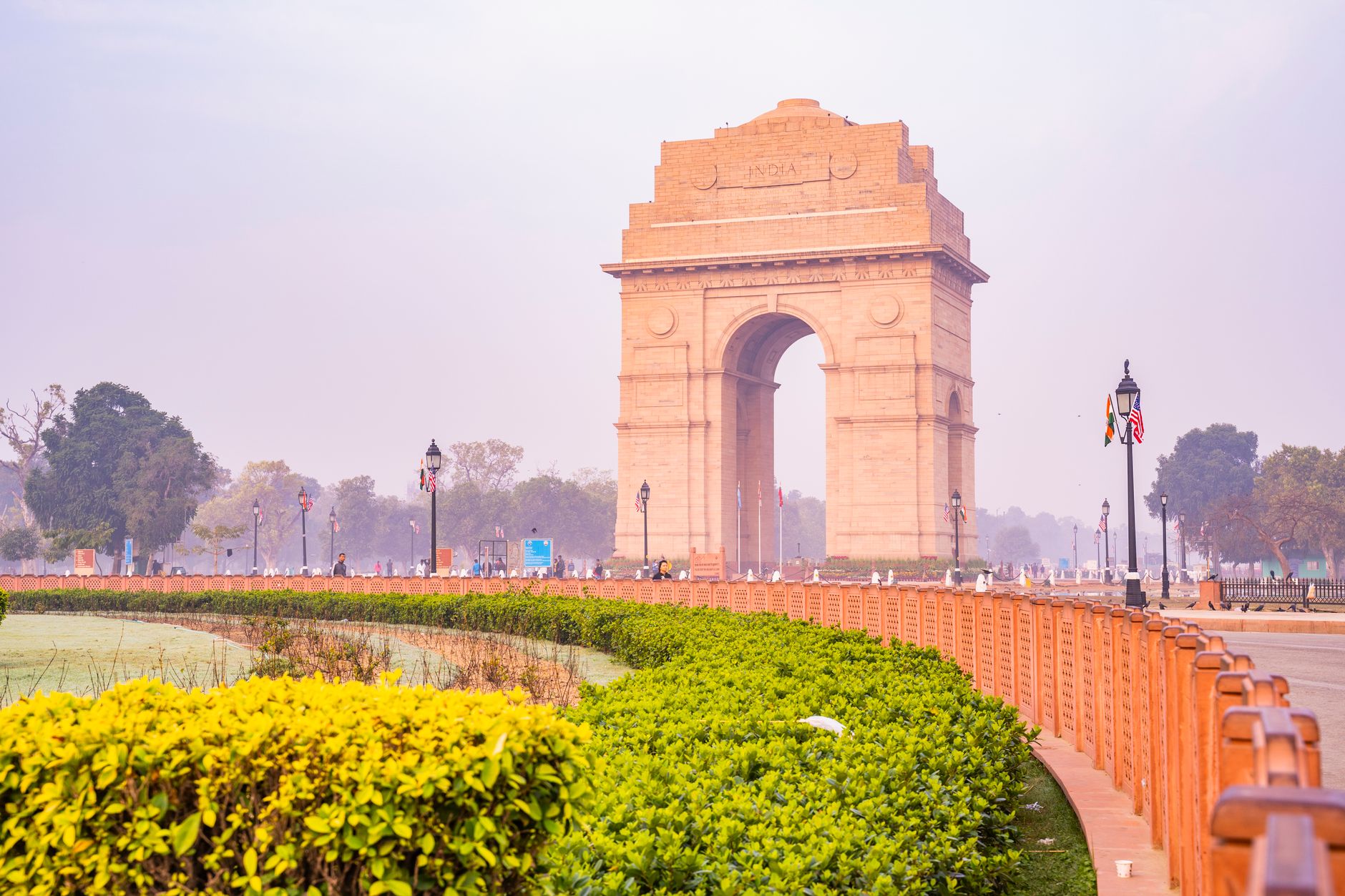
Leisure tourism remains the largest segment, with destinations like Goa, Kerala, Rajasthan, and Himachal Pradesh attracting millions annually. Heritage tourism draws visitors to India's UNESCO World Heritage Sites, ancient temples, and historical monuments.
Religious tourism represents a significant portion of domestic travel, with pilgrimage sites like Varanasi, Tirupati, Amarnath, and Shirdi witnessing year-round footfall. The government's development of pilgrimage infrastructure has enhanced this segment considerably.
Adventure tourism is gaining traction among younger travelers seeking experiences like trekking in the Himalayas, river rafting in Rishikesh, scuba diving in the Andaman Islands, and paragliding in Bir-Billing. Wellness tourism, centered around yoga retreats and Ayurvedic centers, attracts both domestic and international visitors.
International Tourism Dynamics
Foreign tourist arrivals to India show strong growth potential. The country's unique selling propositions include its ancient civilization, diverse culture, varied landscapes, wildlife sanctuaries, and competitive pricing compared to other international destinations.
The United States, United Kingdom, Bangladesh, Canada, and Australia are among the top source markets for international tourists. Medical tourism has also emerged as a niche segment, with patients from across the globe seeking quality healthcare at affordable costs in Indian hospitals.
Challenges and Opportunities
Despite impressive growth, the sector faces challenges. Infrastructure gaps in certain tourist destinations, cleanliness issues, and occasional safety concerns need addressing. Seasonality affects many destinations, with peak season overcrowding and off-season underutilization.
However, opportunities abound. Unexplored destinations in Northeast India, tribal tourism, rural tourism, and eco-tourism present untapped potential. The government's focus on developing tourism circuits and promoting lesser-known destinations could distribute tourist flows more evenly.
Digital Innovation and Future Trends
Technology continues to reshape the industry. Virtual reality previews of destinations, artificial intelligence-powered travel assistants, and blockchain-based secure bookings are becoming mainstream. Sustainable and responsible tourism is gaining importance, with travelers increasingly conscious of their environmental and social impact.
The rise of workation culture, blending work and vacation, has created new opportunities for destinations with good connectivity. Experiential travel, focusing on authentic local experiences rather than just sightseeing, is becoming the preferred choice for many travelers.
Economic Impact and Employment
The multiplier effect of tourism spending benefits multiple sectors including transportation, hospitality, food and beverage, retail, and entertainment. Small businesses, local artisans, and service providers gain directly from tourist expenditure, making tourism an inclusive growth engine.
The sector's labor-intensive nature means that growth translates directly into job creation across skill levels. From five-star hotels to homestays, from luxury tour operators to local guides, the employment ecosystem is vast and diverse.
India's travel and tourism sector stands at an exciting juncture, with strong fundamentals, growing demand, and supportive policy frameworks positioning it for continued expansion in the coming years.