Maharashtra, India's second-most populous state and home to the financial capital Mumbai, is making a strategic push to capture a larger share of the global tourism market through a multi-pronged approach focusing on MICE travel, destination weddings, and its rich UNESCO heritage sites.
The state's tourism board recently showcased its offerings at the WOW Awards Asia, a prestigious platform that brings together travel industry leaders, wedding planners, and event organizers from across the continent. This appearance signals Maharashtra's intent to transform from a primarily business travel destination into a comprehensive tourism hub that appeals to diverse traveler segments.
The MICE Travel Opportunity
MICE—Meetings, Incentives, Conferences, and Exhibitions—represents one of the fastest-growing segments in global tourism. Maharashtra is particularly well-positioned to capitalize on this trend given its existing infrastructure and connectivity. Mumbai already hosts numerous international conferences and exhibitions annually, while Pune has emerged as a technology and education hub with growing demand for corporate events.
The state offers world-class convention centers, luxury hotels with extensive meeting facilities, and excellent international connectivity through Mumbai's Chhatrapati Shivaji Maharaj International Airport. Additionally, cities like Aurangabad and Nashik are developing their MICE infrastructure to distribute tourism benefits beyond the major metropolitan areas.
Destination Weddings: A Lucrative Market
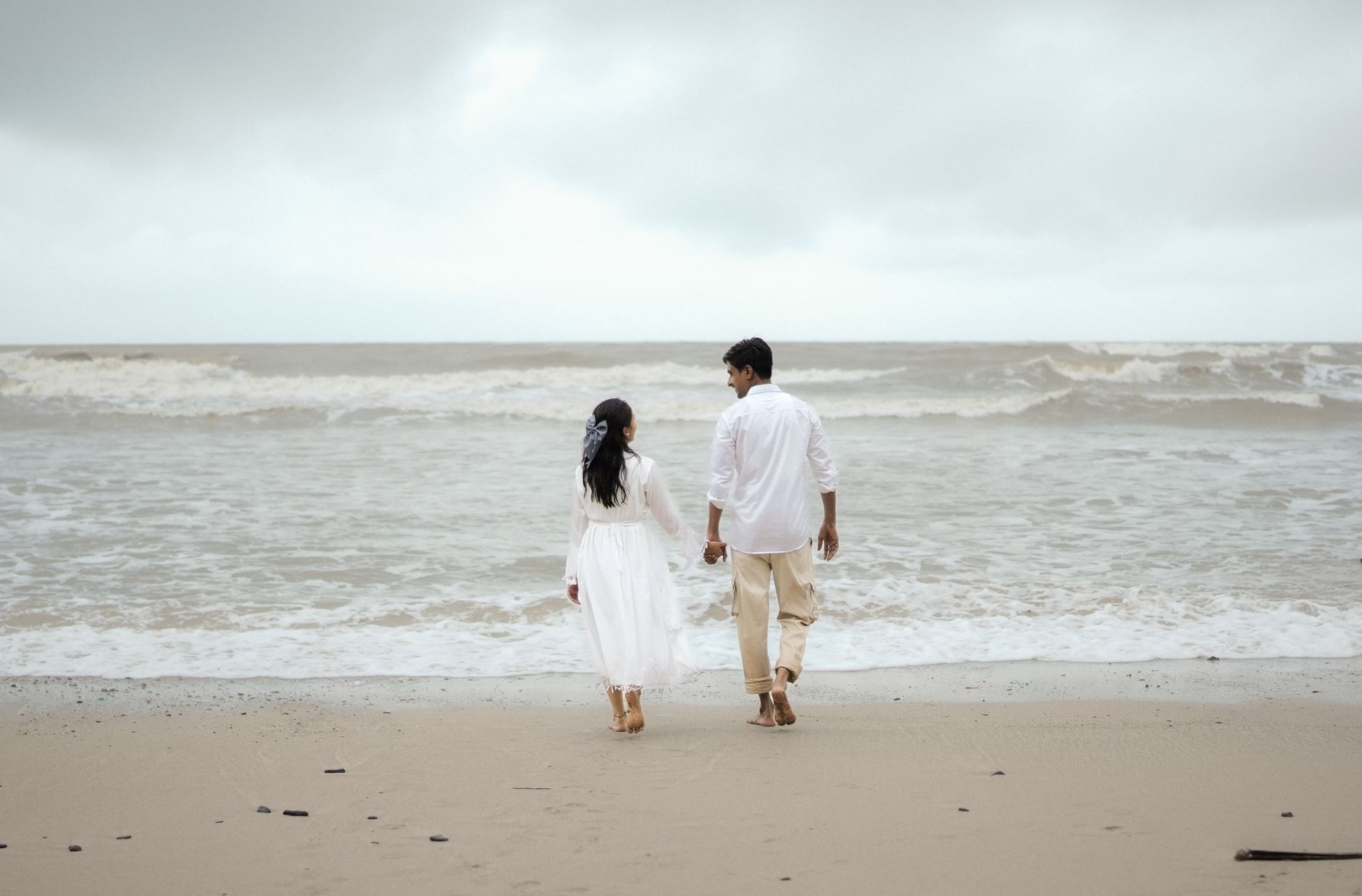
The destination wedding industry in India is estimated to be worth billions of dollars and growing at double-digit rates annually. Maharashtra is positioning itself to capture a significant portion of this market by highlighting its diverse venues—from heritage palaces and hill stations to beachfront resorts along the Konkan coast.
Popular wedding destinations within the state include Alibaug, a coastal town just hours from Mumbai offering luxurious beach resorts; Lonavala and Mahabaleshwar in the Western Ghats with their scenic mountain settings; and heritage properties in cities like Kolhapur and Aurangabad. The state's proximity to major cities makes it convenient for domestic and international guests while offering venues that can accommodate both intimate gatherings and grand celebrations with hundreds of attendees.
UNESCO Heritage Sites as Tourism Anchors
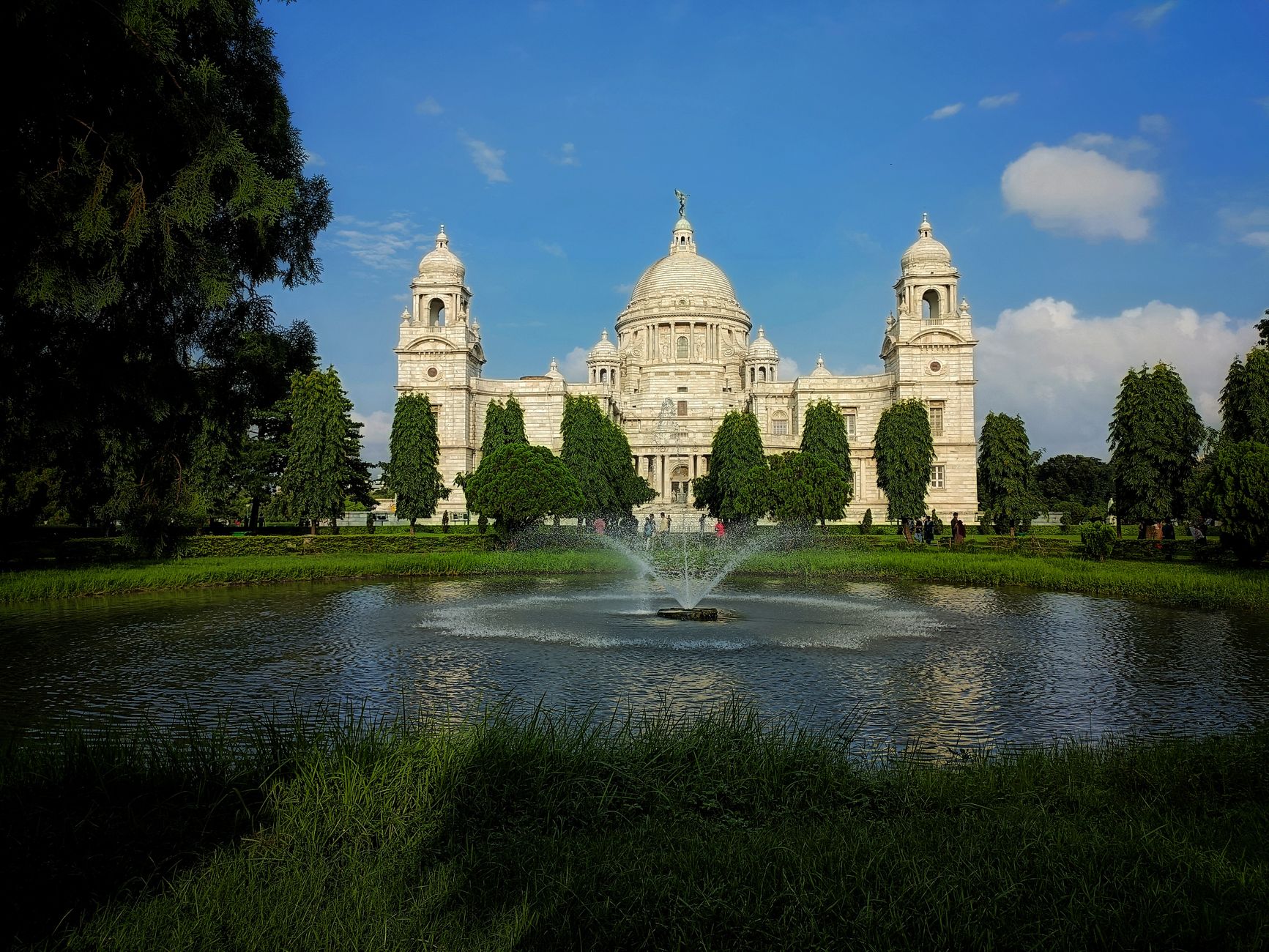
Maharashtra boasts several UNESCO World Heritage Sites that serve as powerful draw cards for cultural tourists. The Ajanta and Ellora Caves, ancient rock-cut monuments showcasing Buddhist, Hindu, and Jain art and architecture, attract hundreds of thousands of visitors annually. The Victorian Gothic and Art Deco Ensembles of Mumbai, recognized by UNESCO in 2018, highlight the city's architectural heritage.
The Chhatrapati Shivaji Terminus, a stunning example of Victorian Gothic Revival architecture combined with Indian traditional elements, stands as both a functional railway station and a tourist attraction. These heritage sites provide Maharashtra with unique selling points that differentiate it from competing destinations across Asia.
Infrastructure and Connectivity Improvements
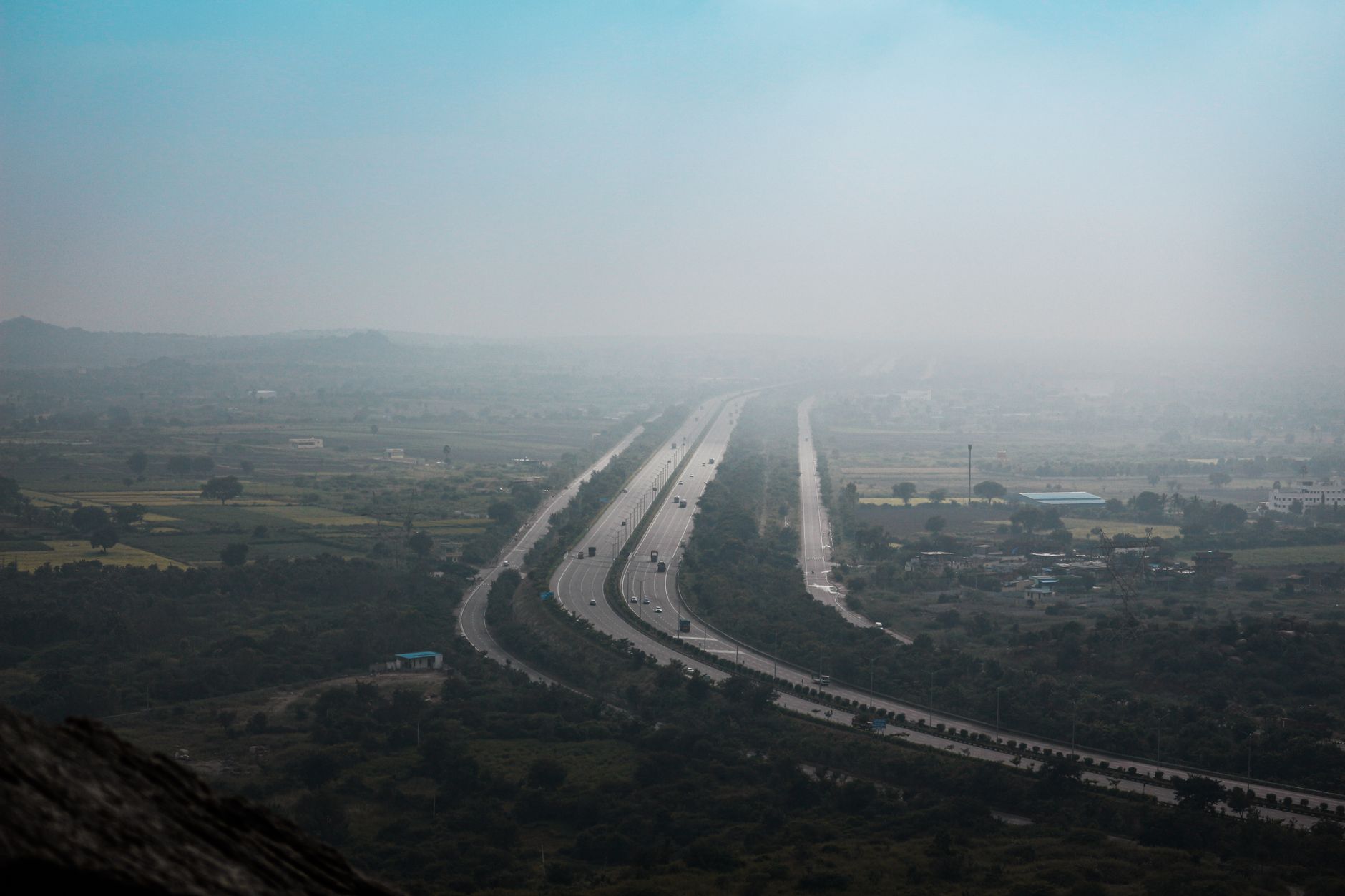
The push toward tourism growth by 2026 is supported by significant infrastructure investments. Maharashtra is developing new airports in tourist regions, improving road connectivity to heritage sites, and upgrading accommodations across various price points. The state government has also been streamlining permissions and creating single-window clearance systems for event organizers and wedding planners.
Digital initiatives are making it easier for international tourists to discover and book experiences in Maharashtra. The tourism department is working with online platforms and travel aggregators to increase visibility and provide seamless booking experiences for accommodations, guided tours, and event services.
Challenges and Opportunities
Despite its advantages, Maharashtra faces competition from other Indian states and international destinations vying for the same tourist segments. States like Rajasthan have long dominated the destination wedding market with their palaces and desert settings, while Kerala and Goa remain preferred choices for leisure travelers.
However, Maharashtra's strength lies in its diversity—it can offer urban experiences in Mumbai and Pune, beach tourism along the Konkan coast, wildlife sanctuaries like Tadoba, hill stations, and historical sites, all within relatively short distances. This variety allows the state to cater to multi-experience itineraries that appeal to modern travelers seeking diverse experiences within a single trip.
The 2026 Vision
The target year of 2026 provides a clear timeline for stakeholders to align their efforts. By then, Maharashtra aims to have established itself as a top-three destination in India for MICE travel and destination weddings while significantly increasing international tourist arrivals to its heritage sites. Success will depend on continued infrastructure development, effective marketing, maintaining service quality standards, and creating unique experiences that justify premium pricing in competitive markets.