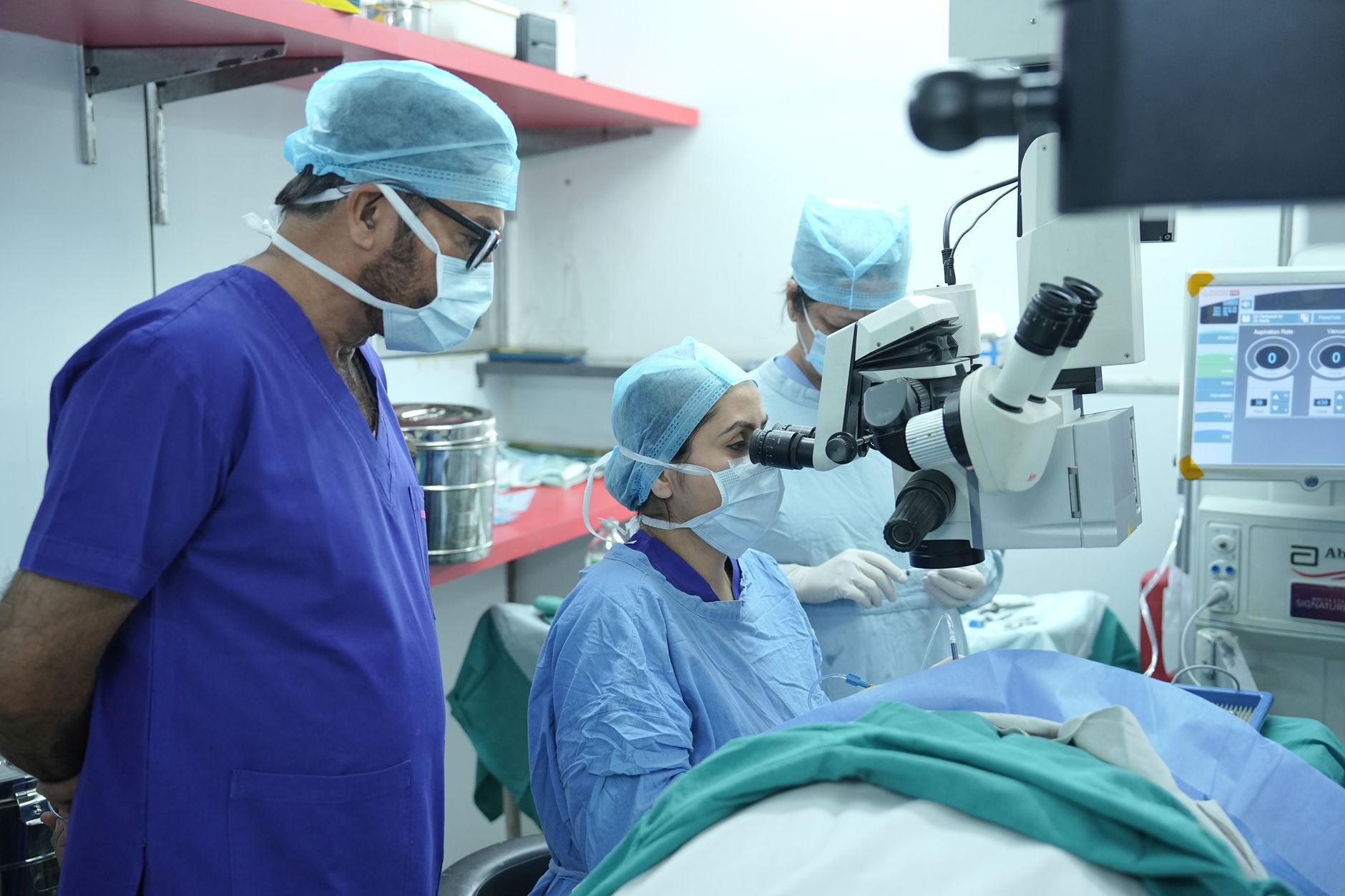
Manipal Health Enterprises, the hospital network backed by investment giant TPG, is preparing for one of India's most significant healthcare sector listings in recent years. The proposed initial public offering could raise up to $960 million, making it among the largest healthcare IPOs in the Indian market and reflecting the booming demand for quality medical services across the country.
The Manipal Health Story
Founded as part of the Manipal Education and Medical Group, Manipal Health has grown into one of India's premier multi-specialty healthcare providers. The hospital chain operates facilities across major Indian cities, offering tertiary and quaternary care services spanning cardiology, oncology, neurology, orthopedics, and numerous other specialties.
The company has expanded significantly over the past decade through a combination of organic growth and strategic acquisitions. Its network includes some of the most recognized hospital brands in their respective regions, catering to both domestic patients and medical tourists seeking world-class treatment at competitive prices.
Why the Healthcare Sector is Attracting Investment
India's healthcare sector has witnessed unprecedented growth driven by several key factors. The country's rising middle class increasingly seeks quality private healthcare services, moving away from overburdened public facilities. Additionally, the COVID-19 pandemic highlighted critical gaps in healthcare infrastructure, prompting both government and private investment in hospitals, diagnostic centers, and medical technology.
Healthcare spending in India has been growing at double-digit rates annually, with private hospitals capturing an increasing share of this expenditure. Insurance penetration, while still low compared to developed markets, is gradually improving, making healthcare services more accessible to a broader population segment.
What This IPO Means for the Market
The substantial size of Manipal Health's proposed offering demonstrates strong institutional appetite for healthcare assets in India. For retail investors, this IPO represents an opportunity to participate in a sector with robust long-term growth potential, though as with any investment, careful evaluation of fundamentals is essential.
The proceeds from the IPO are expected to be used for multiple purposes, typically including debt reduction, expansion of existing facilities, acquisition of new hospitals, upgrading medical equipment and technology, and general corporate purposes. These investments would position the company for continued growth in an increasingly competitive market.
Competitive Landscape
Manipal Health operates in a space alongside other major hospital chains, some of which are already publicly traded. These competitors have generally delivered solid returns to shareholders over the long term, benefiting from India's demographic dividend and healthcare needs. However, the sector also faces challenges including regulatory changes, skilled manpower shortages, and pricing pressures from insurance companies and government schemes.
The company's ability to differentiate itself through quality of care, strategic locations, specialized services, and operational efficiency will be crucial factors for potential investors to consider.
Key Considerations for Potential Investors
Anyone considering participation in this IPO should evaluate several critical aspects. The valuation multiples compared to peers will indicate whether the offering is attractively priced. The company's debt levels, profitability metrics, revenue growth trajectory, and geographic diversification all deserve scrutiny.
- Examine the company's bed occupancy rates and revenue per bed metrics
- Review the management team's track record and corporate governance practices
- Understand the competitive positioning in key markets
- Assess capital expenditure requirements and cash flow generation
- Consider the regulatory environment and potential policy changes affecting private healthcare
The Broader Healthcare Investment Thesis
Beyond this specific IPO, India's healthcare sector presents compelling long-term opportunities. The country's healthcare expenditure as a percentage of GDP remains low compared to global standards, suggesting substantial room for growth. An aging population, rising incidence of lifestyle diseases, and increasing health awareness are creating sustained demand for quality medical services.
Medical tourism, though disrupted by the pandemic, is recovering and positions Indian hospitals to serve international patients seeking cost-effective treatments. Additionally, telemedicine and digital health initiatives are creating new revenue streams for traditional hospital operators.
Timeline and Next Steps
While the specific timeline for the IPO will depend on market conditions and regulatory approvals, such large offerings typically involve roadshows to institutional investors, price discovery through book-building, and eventual listing on stock exchanges. Retail investors should watch for the prospectus filing, which will provide detailed financial information, risk factors, and company strategy.
This article is for general informational purposes only and should not be construed as investment advice. Potential investors should conduct their own due diligence, review the official offer documents carefully, and consult with qualified financial advisors before making any investment decisions. Past performance of similar companies does not guarantee future results.