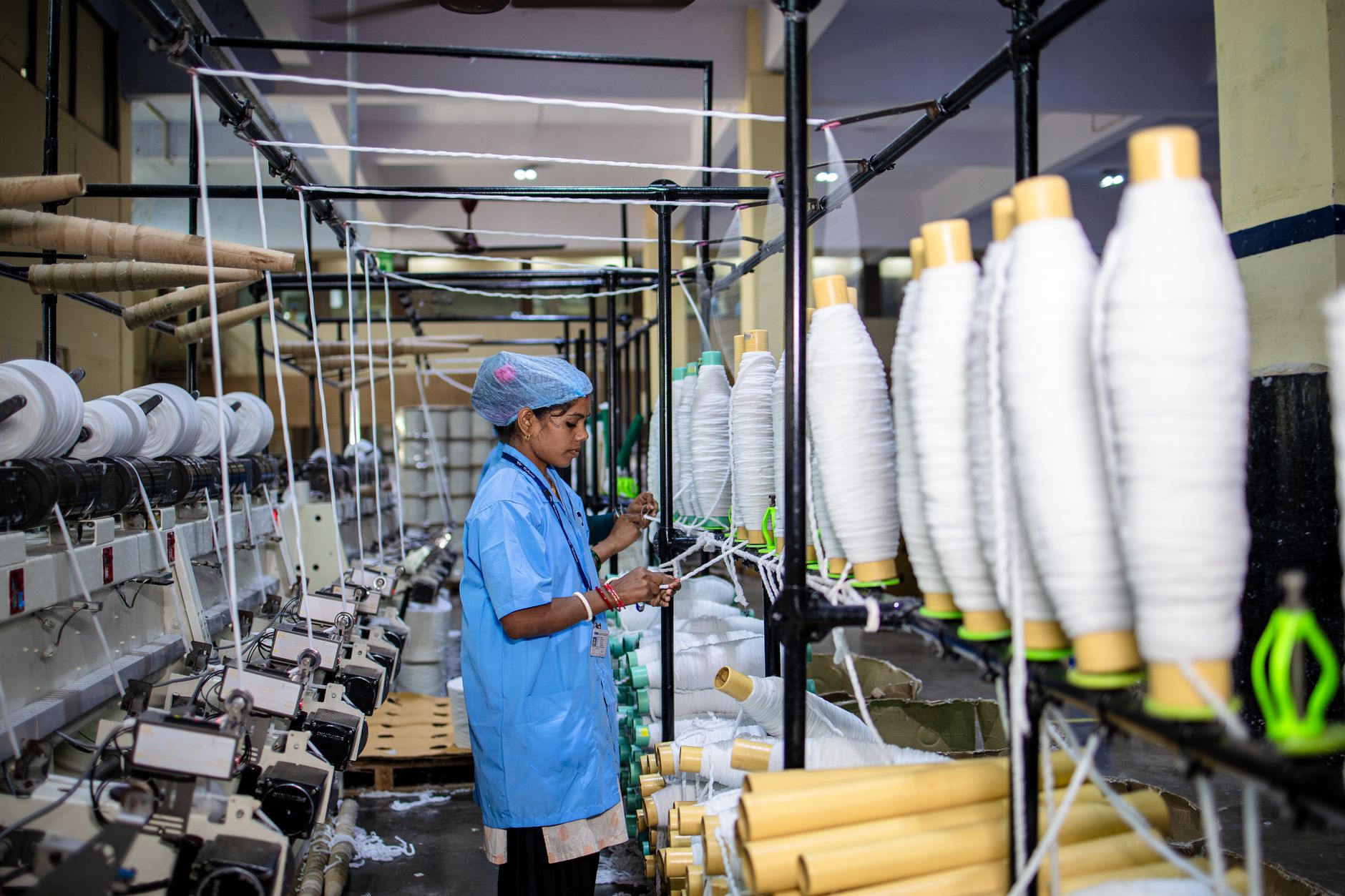
India's employment story is undergoing a dramatic transformation. While metropolitan cities like Mumbai, Delhi, and Bangalore have traditionally been the magnets for job seekers, a new trend is reshaping the nation's economic geography. Cities like Visakhapatnam, Surat, Coimbatore, Indore, and Kochi are rapidly emerging as significant employment generators, creating opportunities that rival and sometimes surpass those in established metros.
The Shifting Employment Landscape
The decentralization of India's job market represents a fundamental shift in how businesses approach talent acquisition and expansion. Non-metro cities are no longer just feeder markets for metropolitan areas but have become destinations in their own right. This transition is driven by multiple factors including lower operational costs, improved infrastructure, better quality of life, and targeted government initiatives.
Manufacturing units, IT service centers, business process outsourcing firms, and even startups are increasingly establishing operations in these emerging cities. The cost arbitrage is significant—office rentals, employee costs, and general overhead expenses are substantially lower compared to metros, allowing companies to optimize their budgets while accessing talented workforce pools.
Key Industries Driving Growth
Several sectors are leading the employment boom in non-metro cities:
- Manufacturing and industrial production, particularly in automotive, textiles, and pharmaceuticals
- Information technology and software services establishing satellite offices
- E-commerce warehousing and logistics operations
- Banking and financial services expanding branch networks
- Healthcare facilities and medical tourism centers
- Education institutions and edtech support operations
Cities like Surat have leveraged their traditional strengths in diamond cutting and textiles while diversifying into new sectors. Visakhapatnam has capitalized on its port infrastructure to develop manufacturing and pharmaceutical industries. Coimbatore continues to strengthen its position as a manufacturing powerhouse while attracting IT investments.
What Makes Non-Metro Cities Attractive
The appeal of these cities extends beyond cost advantages. Quality of life considerations play a crucial role in attracting both businesses and talent. Non-metro cities typically offer shorter commute times, less congestion, better air quality, and more affordable housing—factors that significantly impact employee satisfaction and retention.
Infrastructure development has been a game-changer. Improved connectivity through expanded airport facilities, better road networks, and enhanced digital infrastructure has made these cities viable alternatives to metros. Many now boast industrial parks, IT corridors, and special economic zones with world-class facilities.
State governments have also been proactive in attracting investments through policy incentives, simplified regulatory processes, and focused industry promotion. These efforts have created conducive business environments that encourage companies to establish or expand operations beyond traditional metros.
The Talent Equation
A significant factor in this shift is the changing preference of the workforce itself. Many professionals, particularly those originally from smaller cities, are choosing to return home rather than migrate to metros. This reverse migration is fueled by the availability of comparable career opportunities closer to family and roots.
Educational institutions in these cities have also stepped up, producing quality graduates in engineering, management, and specialized fields. This local talent pool reduces recruitment challenges and training costs for employers while providing employment opportunities to residents without requiring relocation.
Challenges and Considerations
Despite the positive trends, challenges remain. Non-metro cities need continuous investment in infrastructure, particularly in public transportation and utilities. Social infrastructure including entertainment, dining, and lifestyle options, while improving, may not match metro standards—a concern for younger professionals.
Talent diversity can sometimes be limited compared to metros, requiring companies to invest in training and development. Additionally, professional networking opportunities and industry ecosystems are still developing in many non-metro locations.
Looking Ahead
The jobs boom in non-metro cities appears sustainable and likely to accelerate. As remote and hybrid work models become normalized, geographical barriers continue to diminish. Companies are discovering that talent is distributed across the country, not concentrated solely in a few metros.
This trend promises more balanced regional development, reduced pressure on metro infrastructure, and improved economic opportunities across India's urban landscape. For job seekers, it means more choices—the ability to pursue rewarding careers without necessarily relocating to expensive, congested metropolitan areas.
The rise of non-metro cities as employment hubs represents a maturing of India's economic landscape, offering a glimpse into a more distributed, inclusive growth model that could define the country's development trajectory in coming decades.