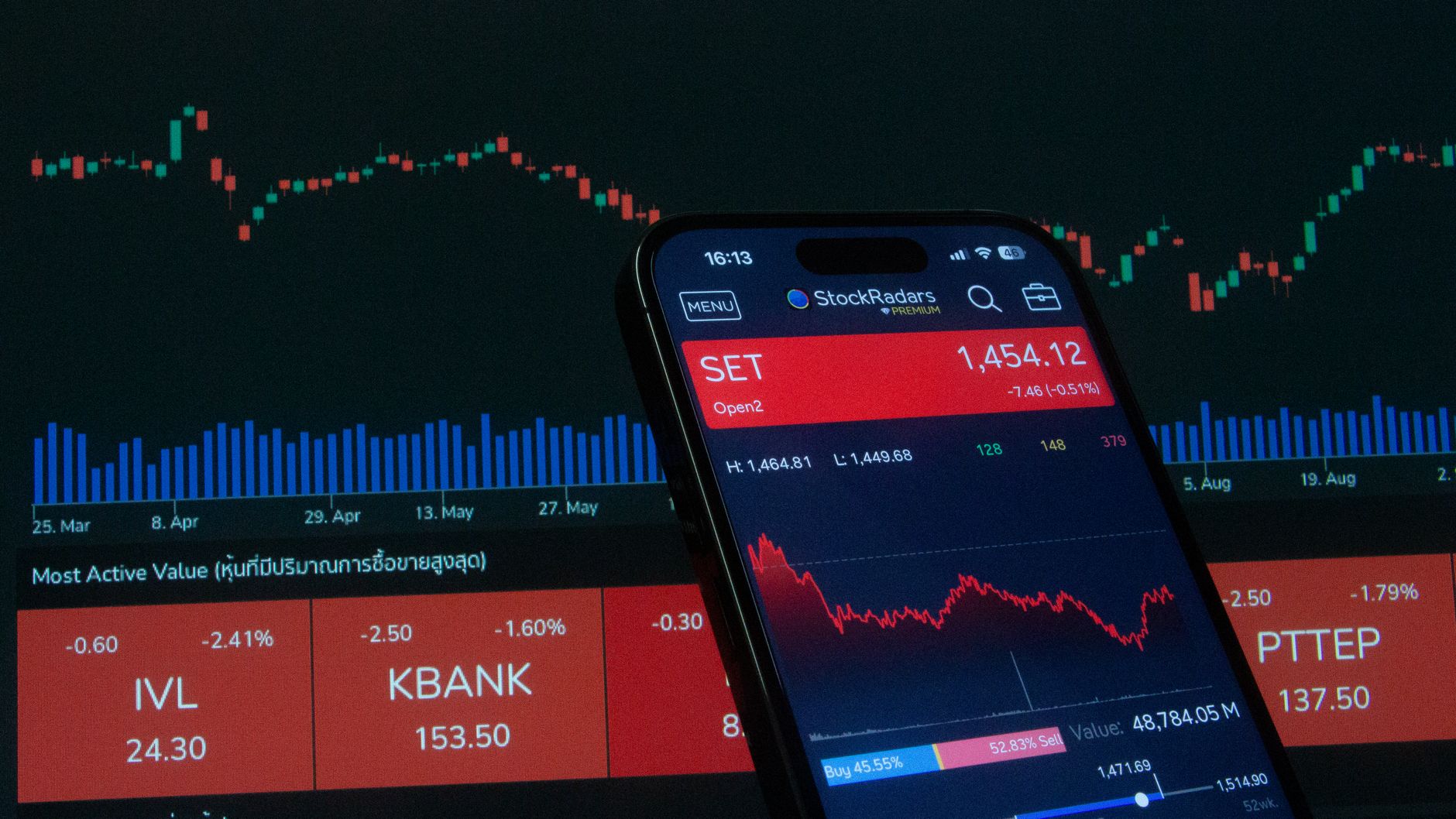
Indian equity markets experienced a significant downturn in today's trading session, with benchmark indices recording substantial losses. The BSE Sensex tumbled more than 900 points while the NSE Nifty50 slipped below the crucial 23,800 mark, reflecting widespread investor anxiety and risk-off sentiment across the board.
Global Economic Headwinds
International market conditions played a crucial role in dampening investor sentiment. Concerns about slowing global growth, particularly in major economies like the United States and China, have created uncertainty about corporate earnings prospects. When global markets experience volatility, emerging markets like India often face increased selling pressure as foreign institutional investors pull back capital to safer havens. The interconnected nature of modern financial markets means that negative sentiment in one region quickly spreads to others.
Foreign Institutional Investor Outflows
Foreign portfolio investors have been net sellers in Indian equities over recent sessions, putting downward pressure on stock prices. When FIIs withdraw funds from the market, it creates a supply-demand imbalance that drives prices lower. Several factors influence FII behavior, including currency movements, interest rate differentials between countries, and relative valuation concerns. The strengthening of the US dollar often makes emerging market investments less attractive, prompting outflows that can accelerate market declines.
Valuation Concerns and Profit Booking
Indian markets had reached elevated valuation levels in recent months, with several indices trading at premium multiples compared to historical averages. When stocks become expensive relative to their earnings potential, they become vulnerable to correction. Long-term investors and institutional funds often use such opportunities to book profits, especially when technical indicators suggest overbought conditions. This profit-booking activity can trigger further selling as other market participants follow suit, creating a cascading effect.
Disappointing Corporate Earnings
The ongoing earnings season has delivered mixed results, with several prominent companies reporting numbers below analyst expectations. Weak earnings growth or declining profit margins raise questions about the sustainability of current stock valuations. When companies fail to meet market expectations, their stock prices typically adjust downward, and this negative sentiment can spread across sectors. Concerns about future earnings potential amid rising input costs and muted demand conditions have added to investor caution.
Rising Oil Prices and Inflation Worries
Crude oil prices have shown upward momentum, which poses significant challenges for India as a major oil importing nation. Higher energy costs translate into increased input expenses for businesses and elevated inflation levels for consumers. This creates a dual problem: squeezed corporate margins and reduced purchasing power for households. Additionally, persistent inflation limits the central bank's ability to cut interest rates, which could otherwise provide support to economic growth and market sentiment.
Sectoral Impact
The selloff was broad-based, affecting most sectors, though some bore the brunt more than others. Banking and financial services stocks faced significant pressure due to concerns about credit growth and asset quality. Information technology companies, despite being export-oriented, couldn't escape the downturn as global recession fears weighed on sentiment. Auto, real estate, and consumer discretionary sectors also witnessed sharp declines as investors worried about demand destruction in a slowing economy.
Market Outlook
While today's sharp correction has rattled investors, market corrections are a normal part of equity investing cycles. They often present buying opportunities for long-term investors who focus on fundamentally strong companies. However, in the near term, volatility is likely to persist as markets digest various economic data points and corporate results. Investors should monitor global central bank policies, domestic economic indicators, and geopolitical developments for cues on market direction.
What Investors Should Do
During periods of market turbulence, maintaining discipline and avoiding panic-driven decisions becomes crucial. Investors with long-term horizons should focus on portfolio diversification and quality stocks with strong fundamentals. Systematic investment through vehicles like SIPs can help average out market volatility. Those with shorter time horizons or lower risk tolerance may consider reviewing their asset allocation to ensure it aligns with their financial goals and risk appetite.
This article is for general informational purposes only and should not be construed as investment advice. Market investments are subject to risk, and past performance does not guarantee future results. Investors should conduct their own research or consult with qualified financial advisors before making investment decisions.