Taiwan is making a strategic push to capture a larger share of India's booming outbound tourism market by reimagining how it engages with travel trade partners. The Taiwan Tourism Administration has rolled out an innovative co-funded familiarization (FAM) trip model designed to deepen connections with Indian travel agents, tour operators, and industry stakeholders.
Understanding the FAM Trip Model
Familiarization trips have long been a cornerstone of tourism marketing, allowing travel professionals to experience destinations firsthand. The traditional approach typically sees destination marketing organizations bearing the full cost of hosting agents. Taiwan's new co-funded model, however, introduces a shared investment structure where both the tourism board and participating Indian travel companies contribute to trip expenses.
This collaborative approach accomplishes several objectives simultaneously. It demonstrates serious commitment from travel agents who invest their own resources, ensures participants have genuine commercial interest in promoting Taiwan, and allows the tourism administration to scale up the number of familiarization trips by distributing costs.
Why India Matters for Taiwan Tourism
India represents one of Asia's fastest-growing outbound tourism markets. With a rising middle class, increasing disposable incomes, and growing appetite for international travel, Indian tourists are becoming crucial for destinations across the globe. Post-pandemic travel trends show Indian travelers are particularly interested in exploring new destinations beyond traditional favourites like Thailand, Singapore, and Dubai.
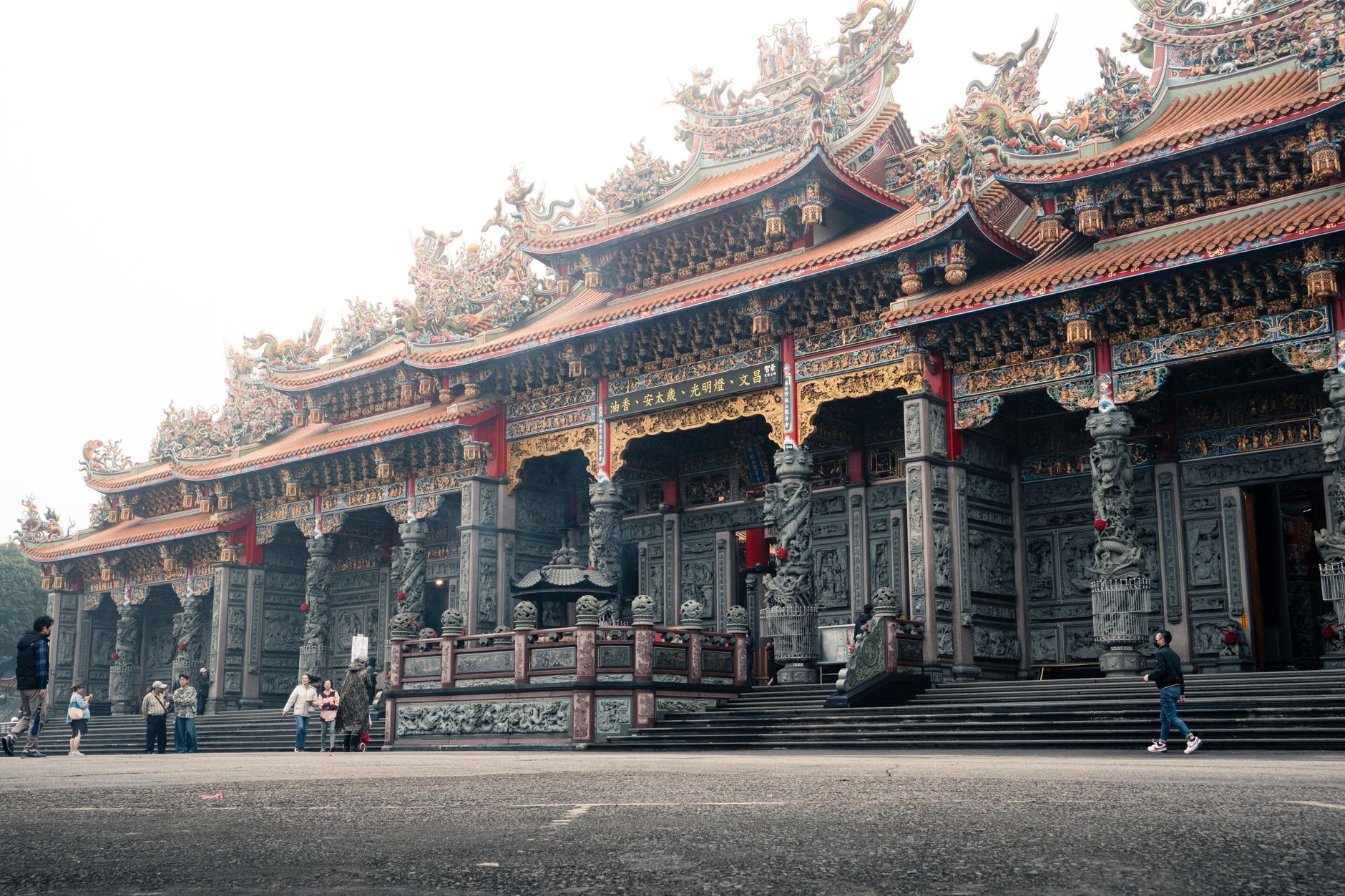
Taiwan offers a compelling proposition for Indian tourists. The island nation boasts diverse attractions including vibrant night markets, stunning natural landscapes from Taroko Gorge to Sun Moon Lake, rich cultural heritage in cities like Taipei and Tainan, and a reputation for safety and hospitality. The destination also benefits from relatively easy visa procedures for Indian nationals and increasingly affordable flight connections.
How the Co-Funded Model Works
Under this structure, the Taiwan Tourism Administration partners with Indian travel trade associations and individual tour operators to organize educational trips. The cost-sharing arrangement typically covers expenses such as accommodation, domestic transportation within Taiwan, guided tours of key attractions, and networking events with local suppliers.
Travel agents and tour operators contribute a portion of the costs, which varies based on the trip's scope and duration. This investment model creates stakeholders rather than passive participants, as agents with financial commitment are more likely to actively promote Taiwan upon return and develop concrete tour packages.
Expected Benefits for Indian Travel Trade
For Indian travel professionals, these familiarization trips provide invaluable firsthand knowledge of Taiwan's tourism infrastructure. Participants gain insights into hotel standards across different price points, experience transportation networks, sample local cuisine, and understand logistical considerations for group tours.
Beyond destination knowledge, these trips facilitate direct relationships with Taiwanese suppliers including hotels, attractions, ground handlers, and restaurants. Such connections enable Indian tour operators to negotiate better rates, customize itineraries, and troubleshoot issues more effectively when operating tours.
The co-funded model also ensures more frequent trips with broader participation compared to fully sponsored programs with limited slots. This democratizes access to destination training and helps smaller, emerging tour operators compete alongside established players.
Building Sustainable Tourism Partnerships
Taiwan's approach reflects a broader shift in destination marketing toward sustainable, partnership-based models. Rather than one-off promotional activities, this strategy builds long-term commercial relationships grounded in mutual investment and shared success metrics.
The tourism administration can track which participating agents successfully convert their experience into actual tourist bookings, creating accountability and measuring return on investment. Meanwhile, travel agents gain competitive advantages through specialized destination expertise and supplier relationships.
Challenges and Opportunities Ahead
While the model shows promise, success depends on several factors. Indian tour operators must see sufficient market demand for Taiwan to justify their investment in familiarization trips. Taiwan needs to maintain competitive pricing against other Asian destinations and ensure smooth visa processing and flight connectivity.
Cultural and language considerations also matter. Providing Mandarin-speaking guides, vegetarian meal options, and understanding Indian traveler preferences will be crucial for converting familiarization trip participants into active promoters of Taiwan tourism.
The timing of this initiative aligns with India's travel industry recovery and growth trajectory. As Indian tourists increasingly seek diverse Asian experiences beyond conventional circuits, Taiwan positions itself as an attractive alternative offering unique cultural experiences, modern infrastructure, and distinctive attractions.
This co-funded FAM trip model could set a precedent for how destinations engage emerging source markets, balancing promotional investment with commercial viability while building genuine partnerships with travel trade stakeholders.