Taiwan has unveiled a strategic shift in its approach to the Indian tourism market by introducing a co-investment familiarization (FAM) trip model, signaling the island nation's serious intent to capture a larger share of India's rapidly expanding outbound travel segment. This innovative partnership approach represents a departure from traditional tourism board-funded FAM trips and demonstrates Taiwan's commitment to building sustainable relationships with Indian travel trade partners.
Understanding the Co-Investment FAM Model
Familiarization trips have long been a staple of destination marketing, allowing travel agents, tour operators, and media representatives to experience destinations firsthand. However, Taiwan's co-investment model introduces a collaborative financial framework where both the destination marketing organization and participating Indian travel trade partners share the costs of these exploratory trips.
This shared investment approach creates several advantages. First, it ensures that participating agents have genuine commercial interest in promoting Taiwan as a destination, as they've invested their own resources. Second, it allows Taiwan Tourism to work with a more committed cohort of partners who are likely to convert their experience into actual tour packages and sales. Finally, the model enables more frequent and targeted FAM trips across different Indian cities and market segments.
Why Taiwan is Focusing on India
India's outbound tourism market has emerged as one of the world's most dynamic growth stories. With a rising middle class, increasing disposable incomes, and a young population eager to explore international destinations, Indian travelers are venturing beyond traditional favorites like Thailand, Singapore, and Dubai.
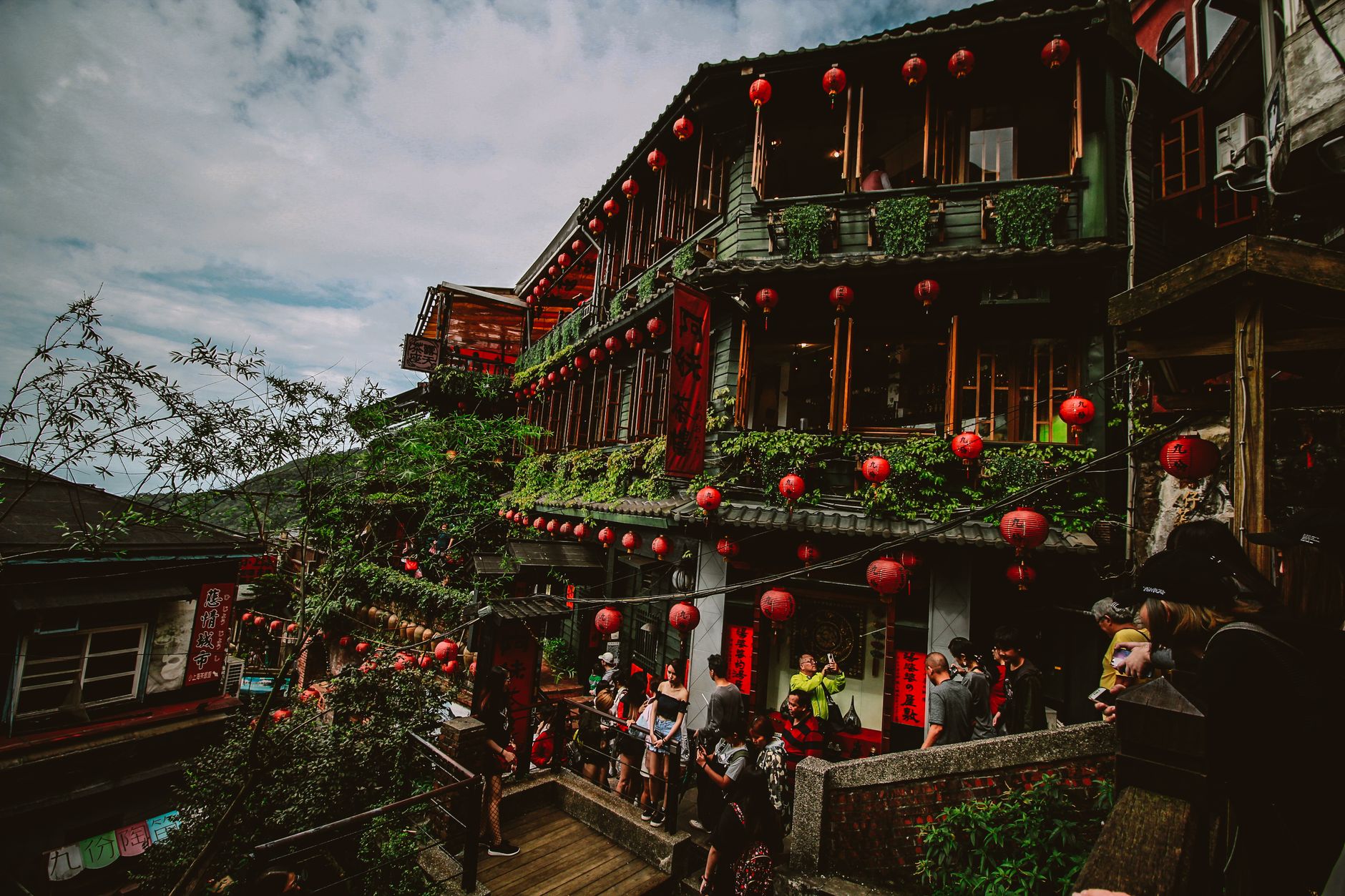
Taiwan offers several compelling attractions for Indian tourists. The island nation combines modern urban experiences in cities like Taipei with stunning natural landscapes, including the famous Taroko Gorge, Sun Moon Lake, and Alishan mountains. The destination also provides excellent value for money, efficient public transportation, and a safe travel environment—all factors that resonate with Indian families and young travelers.
Additionally, Taiwan's visa policies for Indian nationals have become more streamlined in recent years, with online visa applications and faster processing times making the destination more accessible. The relatively short flight duration of approximately five to six hours from major Indian cities adds to Taiwan's appeal as an emerging destination.
What This Means for Indian Travelers
For Indian consumers planning international trips, Taiwan's increased focus on the market through this co-investment model is likely to translate into several tangible benefits. Tour operators who participate in these FAM trips will develop specialized knowledge of Taiwan's attractions, logistics, and hidden gems, resulting in better-designed tour packages.
Travelers can expect more diverse itinerary options, from food-focused tours exploring Taiwan's renowned night markets and culinary scene to adventure packages featuring cycling around the island or hiking in national parks. The enhanced trade relationships may also lead to more competitive pricing as operators gain direct connections with Taiwanese hotels, transport providers, and local guides.
The Broader Context of Asian Tourism Competition
Taiwan's strategic move comes amid intense competition among Asian destinations vying for Indian tourist dollars. Countries like Vietnam, Japan, South Korea, and Malaysia have all ramped up their marketing efforts targeting Indian travelers. Taiwan's co-investment approach demonstrates a more sophisticated understanding that sustainable tourism growth requires committed trade partnerships rather than just consumer advertising.
The model also reflects broader trends in destination marketing where tourism boards are moving away from one-way promotional spending toward collaborative partnerships that create mutual accountability and shared success metrics.
Building Long-term Relationships
The success of this co-investment model will ultimately depend on how effectively Taiwan Tourism converts these FAM trip experiences into consistent tourist arrivals. Key factors include ongoing support for Indian travel agents post-FAM trip, development of marketing collateral in Hindi and other Indian languages, and potentially creating India-specific travel products that cater to dietary preferences, family travel patterns, and budget considerations.
Taiwan's focus on establishing deeper trade relationships rather than just short-term promotional campaigns suggests a mature approach to market development. As Indian outbound tourism continues its upward trajectory, destinations that invest in strong trade partnerships and understand the unique requirements of Indian travelers will be best positioned to capture market share.
For Indian travel trade professionals, this co-investment opportunity represents a chance to explore a destination that remains relatively undiscovered by Indian tourists, potentially allowing early movers to establish themselves as Taiwan specialists in their respective markets.