India's employment landscape is undergoing a dramatic transformation as skilled professionals and top talent increasingly choose tier-2 cities over traditional metro hubs. This shift represents one of the most significant changes in the country's job market in recent years, driven by evolving workplace priorities and improved infrastructure in smaller cities.
The Great Migration From Metro Cities
The exodus from major metropolitan areas has accelerated significantly since the pandemic normalized remote work. Cities like Pune, Ahmedabad, Chandigarh, Coimbatore, Indore, and Jaipur are now competing successfully for talent that would have automatically gravitated toward Bengaluru, Mumbai, or Delhi-NCR a decade ago.
Recent employment trends show that tier-2 cities are not just receiving overflow from metros but are actively creating new opportunities. The IT sector, which traditionally concentrated in Bengaluru and Hyderabad, is establishing substantial operations in cities like Thiruvananthapuram, Vadodara, and Visakhapatnam. Manufacturing hubs are emerging in cities like Coimbatore and Surat, while Jaipur and Chandigarh are becoming significant centers for startups and shared service centers.
Why Professionals Are Making the Move
Several compelling factors are driving this migration pattern:
- Lower cost of living, with housing costs often 40-60% cheaper than metros
- Reduced commute times, with most tier-2 cities offering travel times under 30 minutes
- Better air quality and less pollution compared to major cities
- Proximity to family and hometown connections
- Improved educational institutions and healthcare facilities
- Growing availability of premium retail, entertainment, and dining options
The financial mathematics often strongly favor tier-2 cities. A software engineer earning 15 lakhs annually in Bengaluru might achieve equivalent or better lifestyle quality earning 12 lakhs in Coimbatore or Indore, once housing, transportation, and daily expenses are factored in.
Infrastructure Development Fueling Growth
State governments have invested heavily in improving infrastructure in tier-2 cities, making them viable alternatives to metros. Better airports, improved connectivity through highways and railways, and the expansion of metro rail systems in cities like Nagpur and Lucknow have eliminated previous disadvantages.
The development of IT parks, special economic zones, and startup incubators in these cities has created ecosystems that can support sophisticated business operations. High-speed internet availability is now comparable to metros, enabling seamless remote work and digital collaboration.
Corporate Strategy Shift
Companies are actively pursuing tier-2 expansion for strategic reasons beyond just cost savings. Employee retention rates tend to be higher in smaller cities, with professionals showing greater job stability when living closer to family support systems. Organizations report that turnover rates can be 20-30% lower in tier-2 locations compared to metro operations.
Additionally, companies find untapped talent pools in regional areas. Local engineering colleges, management institutes, and technical schools produce thousands of graduates annually who prefer staying in their home regions rather than migrating to overcrowded metros.
Sectors Leading the Charge
Technology services and IT-enabled services lead the job creation in tier-2 cities, with major firms establishing global capability centers and development centers. E-commerce and logistics companies are expanding warehousing and fulfillment operations, creating thousands of jobs across supply chain management, operations, and last-mile delivery.
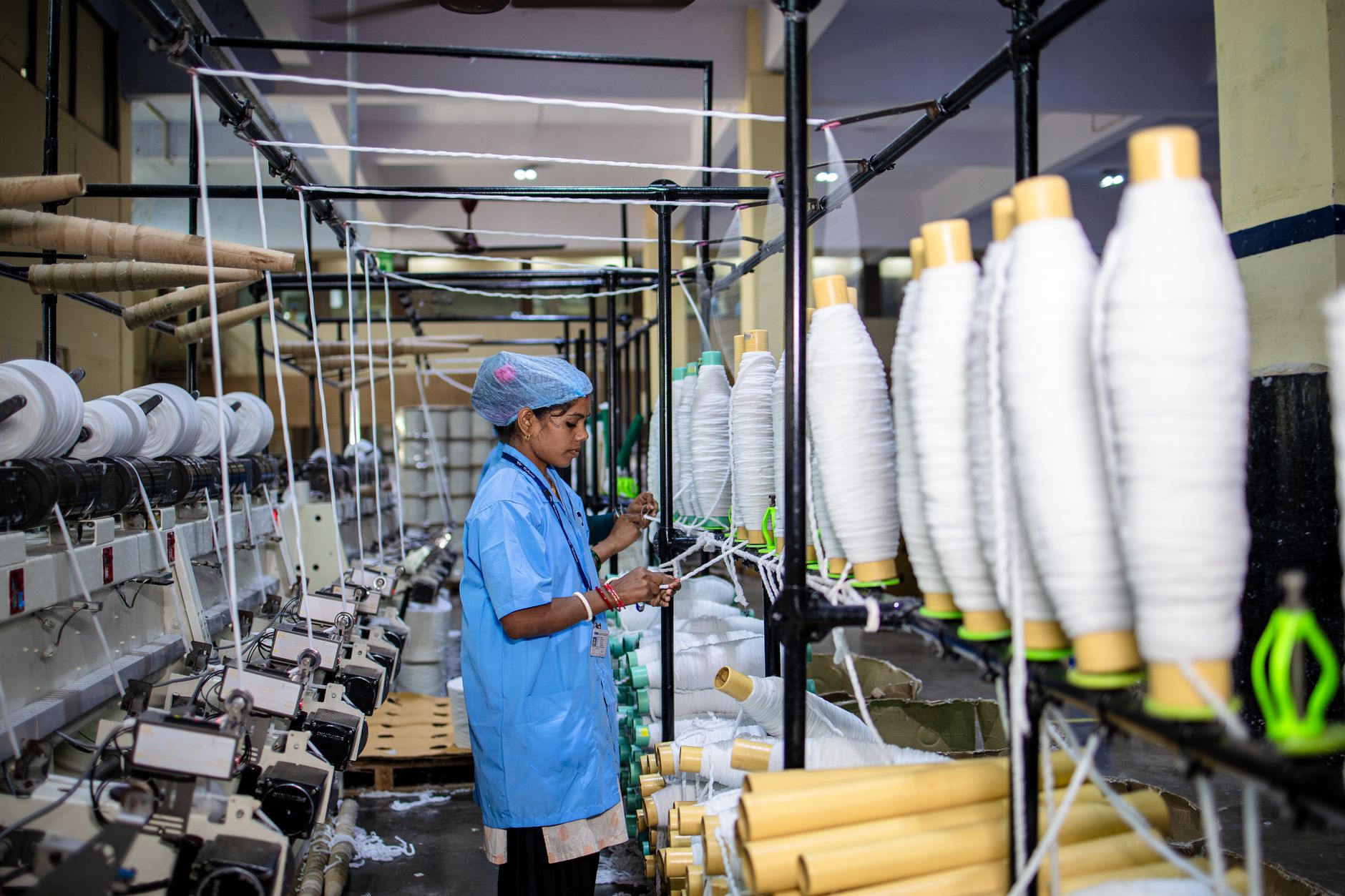
Manufacturing is experiencing a renaissance in tier-2 locations, supported by government initiatives like Make in India and Production Linked Incentive schemes. Automotive components, electronics manufacturing, and textile industries are particularly active in cities like Coimbatore, Rajkot, and Ludhiana.
The healthcare and education sectors are also expanding rapidly, with hospital chains and educational institutions establishing premium facilities to serve growing middle-class populations in these cities.
Challenges That Remain
Despite the positive momentum, tier-2 cities face challenges in competing with metros. Limited availability of specialized talent in niche areas, fewer networking opportunities, and sometimes conservative social environments can deter certain professionals. The startup ecosystem, while growing, remains less mature than in Bengaluru or Delhi-NCR.
Looking Forward
This trend appears sustainable rather than temporary. As more companies embrace hybrid work models and establish distributed operations, tier-2 cities will continue gaining importance in India's employment landscape. The shift could contribute to more balanced regional development and reduce the strain on overcrowded metros.
For professionals, this means more choices and the possibility of building successful careers without sacrificing quality of life. For cities, it represents an opportunity to retain local talent and build sustainable economic growth.