India's job market is witnessing a remarkable geographical transformation. While cities like Bengaluru, Mumbai, and Delhi-NCR have traditionally dominated employment opportunities, a new wave of tier-2 and tier-3 cities is rapidly emerging as attractive destinations for job seekers. This shift reflects broader economic changes, improved infrastructure, and deliberate policy initiatives aimed at balanced regional development.
The New Employment Landscape
The recognition of cities like Visakhapatnam, Surat, Ludhiana, and Prayagraj as emerging job hubs marks a significant departure from conventional wisdom about career opportunities in India. These cities are experiencing robust growth in employment across multiple sectors, offering competitive salaries while maintaining a lower cost of living compared to metropolitan areas.
This trend is driven by several factors including government initiatives, infrastructure development, and the strategic expansion of industries into regions with untapped talent pools and operational cost advantages.
Why Tier-2 Cities Are Gaining Momentum
Several interconnected factors explain the rise of these emerging employment centers:
- Lower operational costs for businesses, including real estate, utilities, and labor
- Availability of skilled workforce willing to work at competitive compensation levels
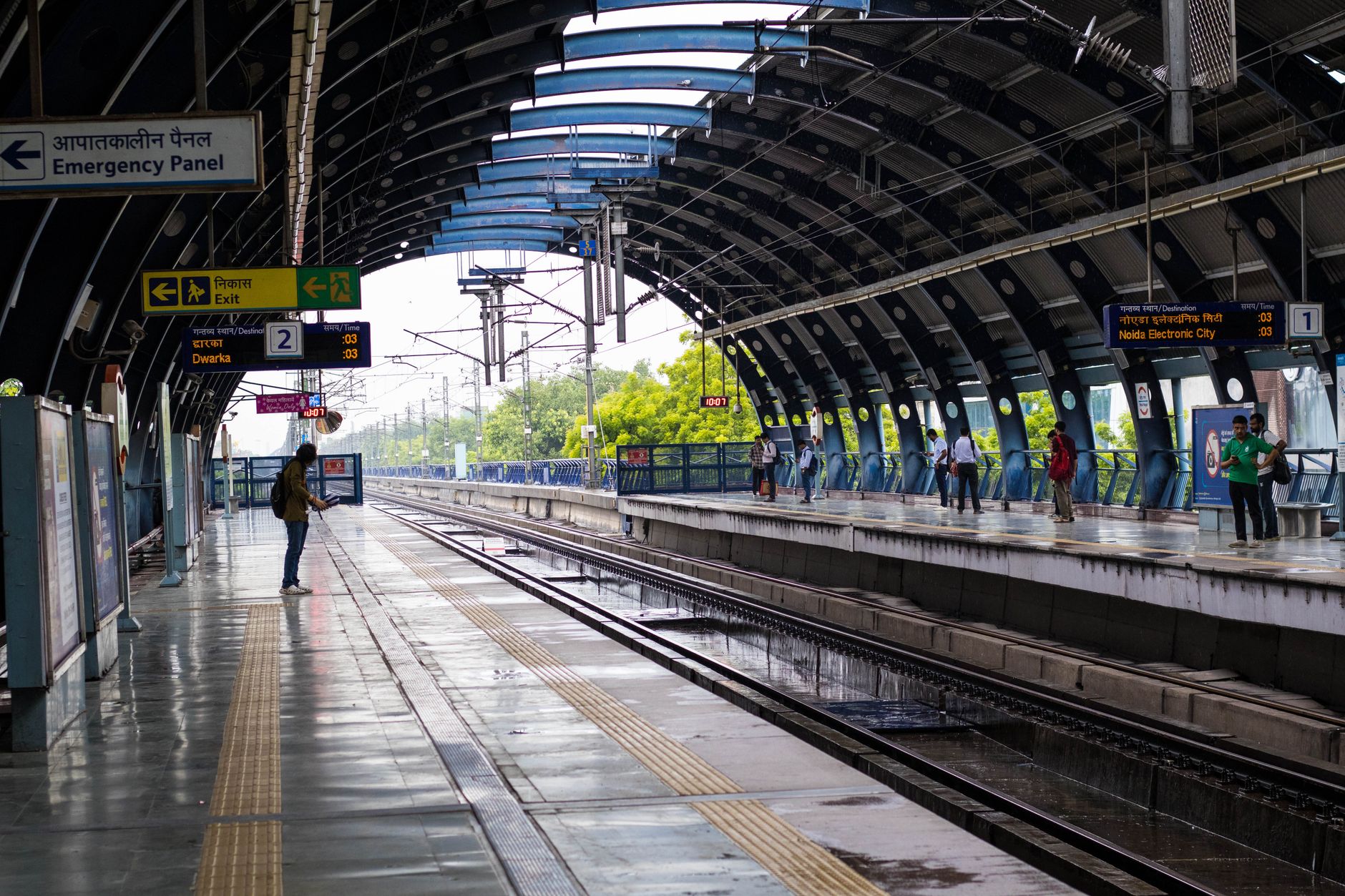
- Improved connectivity through better roads, airports, and digital infrastructure
- Government incentives and special economic zones encouraging business expansion
- Reduced competition for talent compared to saturated metro markets
- Better work-life balance and quality of life for employees
- Growing startup ecosystems supported by local and state governments
Spotlight on Emerging Cities
Visakhapatnam, strategically located on India's eastern coast, has evolved beyond its traditional strengths in shipping and steel. The city now hosts growing IT parks, pharmaceutical units, and manufacturing facilities. Its natural harbor and improved air connectivity make it attractive for logistics and export-oriented businesses.
Surat continues its legacy as a commercial powerhouse, particularly in textiles and diamond processing. However, the city is diversifying into information technology, chemical manufacturing, and emerging sectors. Its business-friendly environment and entrepreneurial culture create continuous employment opportunities.
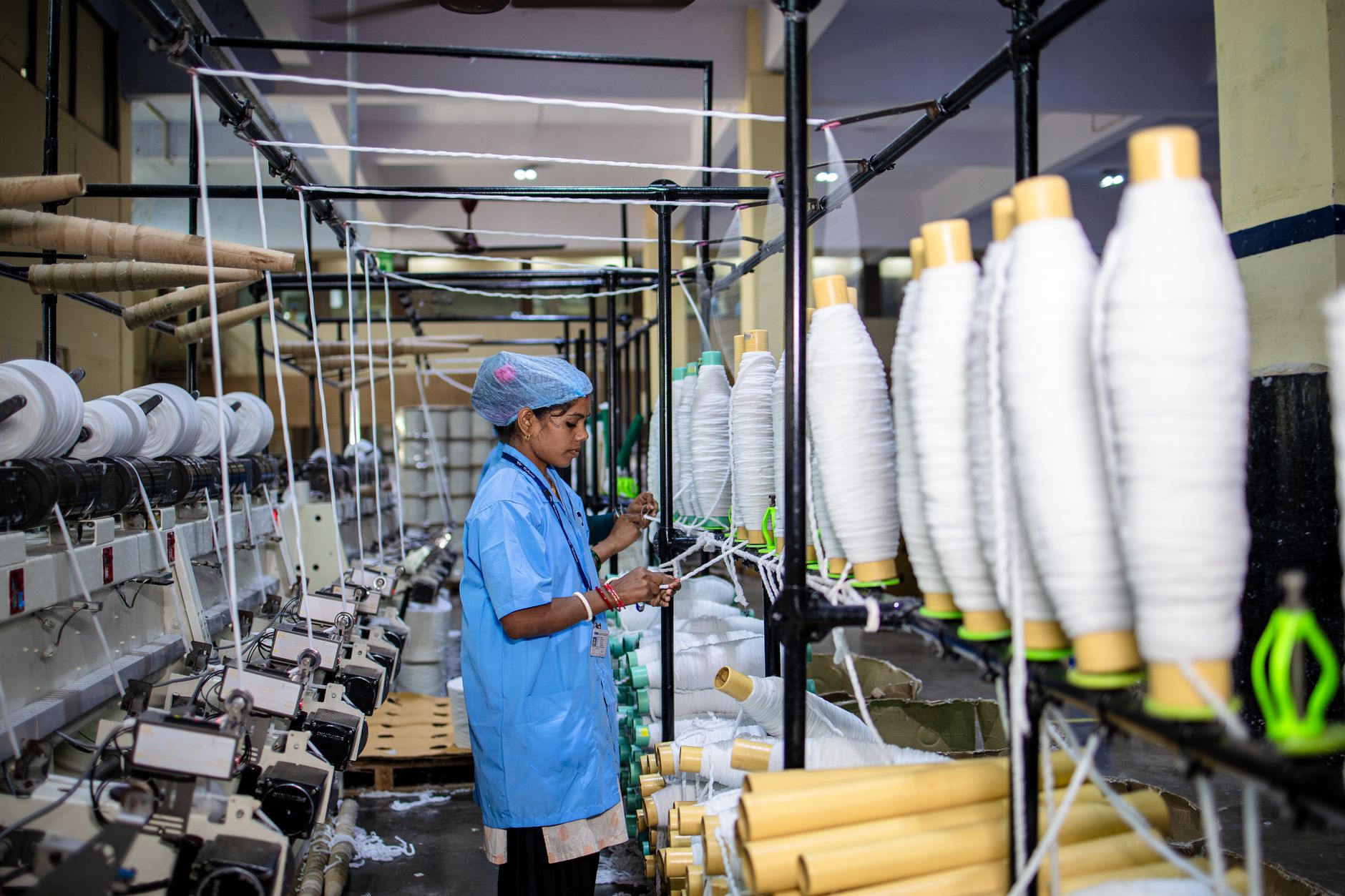
Ludhiana remains Punjab's industrial heart, with established strengths in textiles, bicycle manufacturing, and auto parts. The city is seeing increased investment in food processing and light engineering, sectors that generate substantial employment for both skilled and semi-skilled workers.
Prayagraj, historically known for its educational institutions and administrative importance, is witnessing growth in the services sector, educational technology, and tourism-related industries. Recent infrastructure investments have enhanced its appeal to businesses considering expansion outside Uttar Pradesh's capital region.
Sectors Driving Growth
The job creation in these emerging cities spans diverse sectors. Manufacturing remains a significant employer, particularly in cities with established industrial bases. The services sector, including IT and business process outsourcing, is expanding rapidly as companies seek cost-effective locations with adequate talent.
Healthcare, education, retail, and hospitality sectors are also growing in these cities as rising populations and increasing disposable incomes create local demand. Additionally, logistics and supply chain operations are expanding to support e-commerce growth and improved connectivity.
Implications for Job Seekers
For professionals and fresh graduates, these emerging cities present compelling opportunities. The combination of growing industries, lower living costs, and less intense competition creates an environment where career progression can be faster than in oversaturated metros.
However, job seekers should carefully evaluate factors beyond salary. Consider the maturity of your industry in the target city, availability of professional networks, quality of educational institutions if you have children, healthcare facilities, and cultural compatibility.
The Remote Work Factor
The normalization of remote and hybrid work arrangements has further boosted the appeal of tier-2 cities. Professionals can now access opportunities with companies headquartered in metros while enjoying the lifestyle advantages of smaller cities. This flexibility has accelerated migration patterns and encouraged more businesses to establish presence in emerging locations.
Looking Ahead
The trend toward employment decentralization is likely to strengthen as infrastructure continues improving and more companies recognize the advantages of geographic diversification. State governments are actively competing to attract investment through targeted incentives, further accelerating this shift.
For India's economy, this geographic distribution of opportunities represents positive development, potentially addressing regional imbalances and providing alternatives to the often-overwhelming growth pressures on established metros.
The emergence of these cities as viable employment destinations reflects India's evolving economic maturity and offers a glimpse into a more balanced future for job creation across the country.
This article is for general informational purposes only and should not be considered as professional career advice. Individual career decisions should be based on personal circumstances, thorough research, and professional consultation where appropriate.