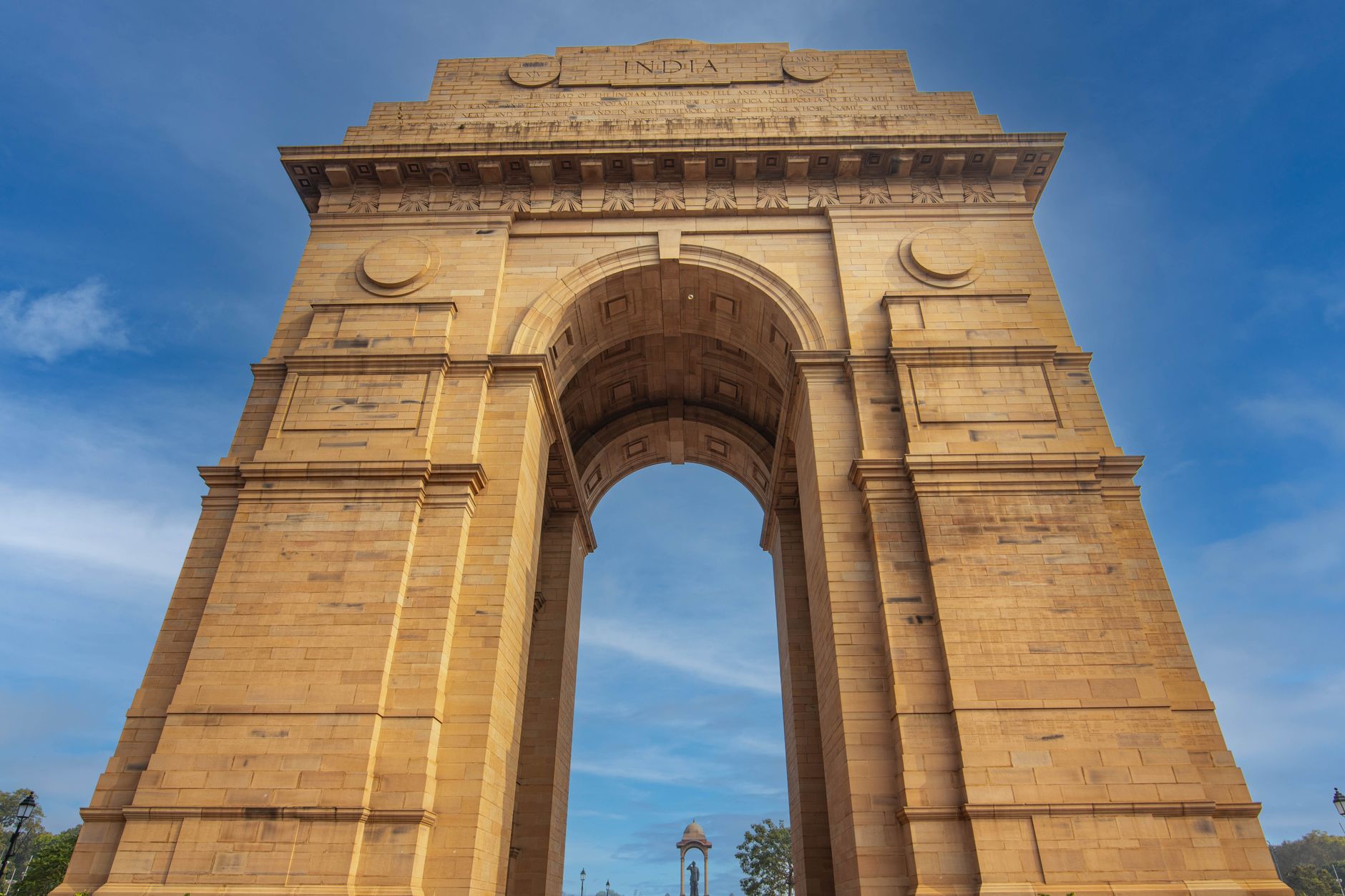
India's tourism industry is making a concerted push for sweeping policy reforms aimed at transforming the country into a seamless travel destination. Industry leaders and stakeholders have identified visa complexities, infrastructure challenges, and regulatory bottlenecks as critical areas requiring immediate government intervention to unlock the sector's full potential.
The country welcomed approximately 9.2 million foreign tourists in 2023, still below pre-pandemic levels, despite being home to world-renowned heritage sites, diverse landscapes, and rich cultural experiences. Industry experts believe that with the right policy framework, India could significantly increase these numbers and capture a larger share of global tourism spending.
Current Visa Challenges
The existing visa system remains one of the primary pain points for international travelers. While India introduced e-visa facilities for citizens of over 160 countries, the process still involves multiple steps, document submissions, and processing times that can deter spontaneous travel decisions. Many tourists find the application process confusing, with different categories for tourist, business, and medical visas creating unnecessary complications.
The tourism industry is advocating for several specific improvements:
- Streamlined single-window visa application process
- Extended visa validity periods for frequent travelers
- Visa-on-arrival expansion to more nationalities
- Simplified documentation requirements
- Faster processing times with real-time status updates
- Mobile-friendly application platforms
Countries like Thailand and Vietnam have demonstrated how simplified visa policies can dramatically boost tourist arrivals, serving as models that India could adapt to its context.
Infrastructure and Connectivity Gaps
Beyond visa issues, the industry has highlighted infrastructure deficits that impact visitor satisfaction. While major cities and popular tourist circuits have seen improvements, many emerging destinations lack basic amenities that international travelers expect.
Connectivity remains patchy in several tourist regions. Limited direct international flights to tier-two cities force travelers through congested hubs like Delhi and Mumbai, adding time and complexity to their journeys. Domestic connectivity to lesser-known destinations also needs enhancement to distribute tourism benefits more evenly across the country.
The quality and availability of accommodation options outside major tourist centers present another challenge. While luxury hotels dot popular destinations, mid-range and budget accommodations meeting international standards remain scarce in many areas with tourism potential.
Policy Reforms Under Discussion
Tourism industry bodies are presenting comprehensive proposals to government authorities covering multiple dimensions of the travel experience. These include standardization of tourism services, clearer licensing frameworks for tour operators, and better enforcement of quality standards.
The sector is also seeking rationalization of taxes and fees that make India expensive compared to competing destinations in Southeast Asia. Multiple layers of taxation at state and central levels can significantly inflate costs for travelers, particularly for domestic tourism packages.
Environmental sustainability has emerged as another priority area. Industry representatives are advocating for policies that balance tourism growth with ecological preservation, particularly for sensitive areas like coastal regions, mountain destinations, and wildlife reserves.
Digital Integration
The tourism industry envisions a comprehensive digital ecosystem that integrates various aspects of travel planning and execution. This would include unified platforms for visa applications, accommodation bookings, transportation arrangements, and tourist information services.
Digital payment infrastructure improvements are also on the wishlist, as many international travelers still encounter difficulties using cards or digital wallets outside major urban centers. Seamless payment experiences could significantly enhance visitor satisfaction and spending.
Regional Tourism Potential
Industry stakeholders are particularly focused on unlocking the potential of under-visited regions. States in Northeast India, for instance, offer spectacular natural beauty and unique cultural experiences but receive minimal international tourist traffic due to permit requirements and connectivity challenges.
Similarly, India's vast coastline, adventure tourism opportunities in the Himalayas, and spiritual tourism circuits could attract specialized traveler segments with appropriate infrastructure and marketing support.
Global Competition
The urgency behind these reform demands stems partly from intensifying regional competition. Countries across Asia are aggressively marketing themselves as tourist destinations with increasingly liberal visa policies and improved infrastructure. India risks losing market share if it fails to address current pain points and enhance its competitiveness.
The tourism industry's push for reforms comes at a crucial time as global travel rebounds post-pandemic. With proper policy support and infrastructure investments, India could position itself as a premier global destination while creating millions of jobs and generating substantial economic benefits across regions.