The travel and tourism industry is poised for remarkable growth in the coming decade, with forecasts indicating it will expand at a rate 1.5 times faster than the global economy. This projection marks a significant milestone for a sector that faced unprecedented challenges during the pandemic years and signals a fundamental shift in how people prioritize travel and experiences in their lives.
Understanding the Growth Trajectory
The accelerated growth rate means that while the global economy may expand at a steady pace, the travel sector will outperform this baseline substantially. This disparity reflects pent-up demand from pandemic-era restrictions, changing consumer preferences, and the increasing accessibility of travel to emerging middle-class populations worldwide, particularly in Asia and Africa.
Several factors are driving this optimistic outlook. Remote work arrangements have given many professionals greater flexibility in when and where they work, leading to the rise of "workations" and digital nomadism. Additionally, younger generations are prioritizing experiences over material possessions, channeling discretionary spending toward travel rather than traditional consumer goods.
Key Markets Driving Expansion
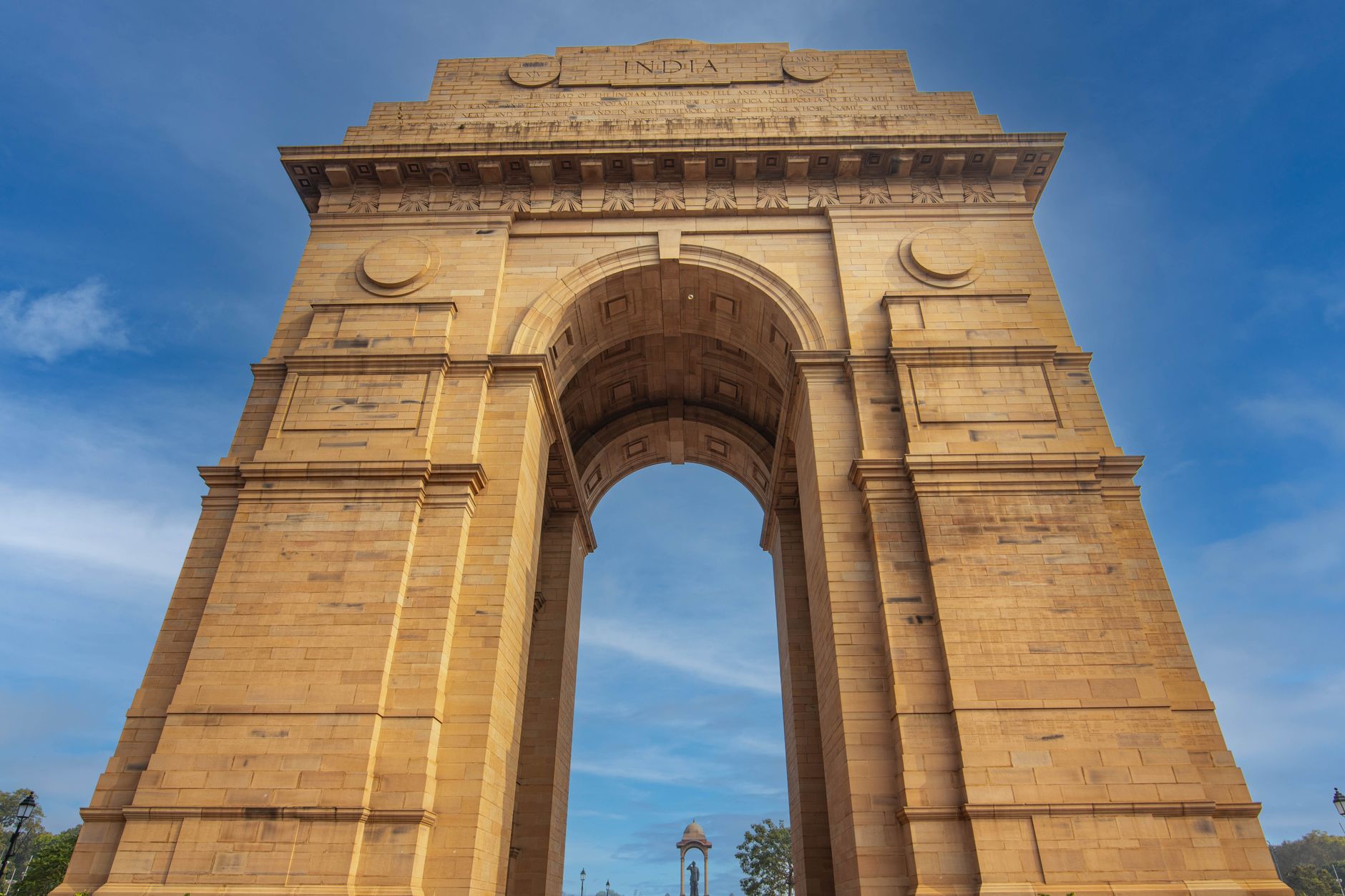
India stands out as one of the most promising markets for tourism growth. With a rapidly expanding middle class, increasing disposable incomes, and a young demographic profile, Indian travelers are expected to contribute significantly to both domestic and international tourism numbers. The country is also working to position itself as a destination, investing in infrastructure and promoting diverse tourism offerings from spiritual journeys to adventure travel.
Asia-Pacific as a whole is anticipated to lead global tourism growth, with countries like Vietnam, Thailand, and Indonesia benefiting from improved connectivity, visa liberalization, and government initiatives to boost tourism revenues. China's outbound tourism market, once it fully rebounds, will inject billions into the global travel economy.
Economic Ripple Effects
The tourism sector's growth carries substantial implications for employment and broader economic development. Travel and tourism is a labor-intensive industry, creating jobs across multiple skill levels from hospitality workers to tour guides, transport operators to restaurant staff. Each direct tourism job typically supports additional employment in supply chains and related services.
For many developing economies, tourism represents a vital source of foreign exchange and can drive infrastructure development that benefits local populations beyond the tourism sector itself. Roads built for tourist access serve communities, airports connect regions to global markets, and hospitality training creates transferable skills.
Challenges and Sustainability Concerns
Despite the rosy projections, the industry faces significant challenges. Climate change poses risks to destinations through extreme weather events, rising sea levels threatening coastal areas, and changing seasons affecting winter sports and other climate-dependent activities. The industry itself contributes to carbon emissions, creating pressure for more sustainable practices.
Overtourism remains a concern for popular destinations, where excessive visitor numbers strain infrastructure, damage cultural sites, and diminish the quality of life for residents. Cities like Venice, Barcelona, and Kyoto have implemented or considered various measures to manage tourist flows, from entry fees to visitor caps.
Technology's Transformative Role
Digital innovation is reshaping the travel experience from planning to execution. Artificial intelligence is personalizing travel recommendations, while virtual reality allows potential visitors to preview destinations. Blockchain technology promises to streamline bookings and verify authenticity, and mobile platforms have made last-minute travel planning more accessible than ever.
Contactless technologies accelerated during the pandemic are now standard expectations, from mobile check-ins to digital room keys and cashless payments. These innovations enhance convenience while addressing hygiene concerns that remain top-of-mind for many travelers.
Investment Opportunities
The projected growth is attracting significant investment into tourism infrastructure, from hotels and resorts to theme parks and cultural attractions. Governments are recognizing tourism's economic potential and allocating resources to promote their destinations internationally and improve visitor facilities domestically.
Private equity and venture capital are flowing into travel technology startups, sustainable tourism ventures, and experiential travel companies that cater to evolving consumer preferences. This capital infusion is likely to accelerate innovation and service quality improvements across the sector.
The next decade promises to be transformative for travel and tourism, with growth rates exceeding broader economic expansion. Success will depend on balancing economic opportunity with environmental sustainability and ensuring that tourism development benefits local communities rather than merely extracting value from destinations.