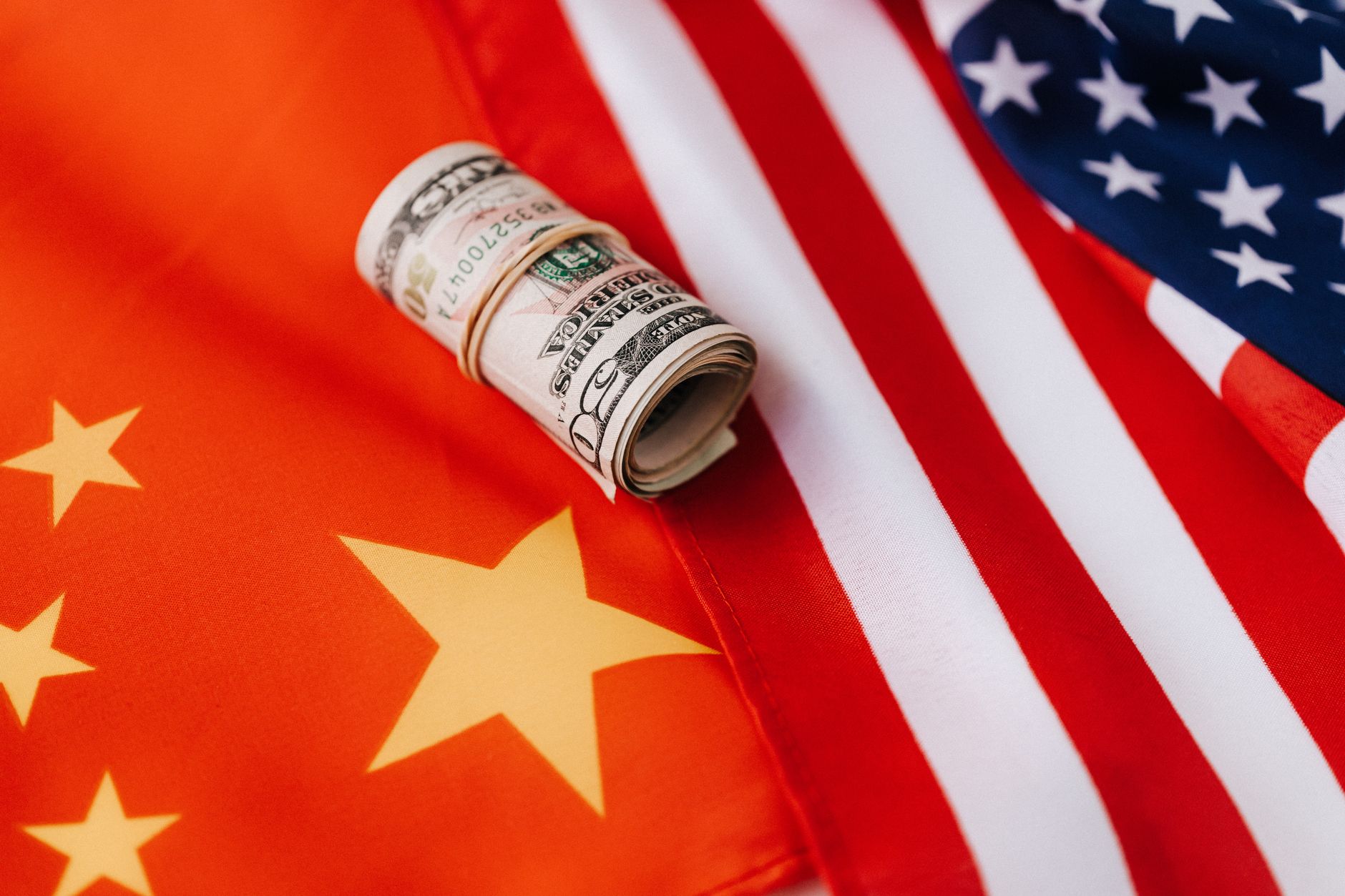
Indian investors looking to diversify their portfolios internationally are facing an interesting dilemma in 2025. While US markets continue their record-breaking rally, Chinese equities remain significantly undervalued compared to historical averages. Understanding where to allocate your international investment can make a substantial difference to your long-term returns.
The Case for US Markets
The United States has been the dominant force in global equity markets for over a decade. American indices like the S&P 500 and Nasdaq have consistently delivered strong returns, driven by technology giants, robust corporate earnings, and a resilient economy.
Despite trading at record highs, the US market offers several compelling advantages:
- Strong corporate governance and transparent regulatory frameworks
- Home to world-leading technology companies driving global innovation
- Deep liquidity allowing easy entry and exit from positions
- Dollar appreciation potential providing additional returns for rupee-based investors
- Consistent dividend payments and shareholder-friendly policies
However, high valuations mean that future returns may be more modest compared to the past decade. Price-to-earnings ratios for many US stocks are above historical averages, suggesting limited upside potential in the short term.
The Opportunity in Chinese Markets
Chinese equities have faced significant headwinds over recent years due to regulatory crackdowns, property sector troubles, and geopolitical tensions. This has resulted in valuations falling to multi-year lows, making them appear attractive from a pure value perspective.
The bull case for China includes:
- Significantly lower valuations compared to developed markets
- World's second-largest economy with substantial growth potential
- Government stimulus measures supporting economic recovery
- Growing middle class driving domestic consumption
- Leadership in manufacturing, electric vehicles, and renewable energy
The risks, however, are equally significant. Regulatory unpredictability, geopolitical tensions with Western nations, corporate governance concerns, and the ongoing property sector crisis all present genuine challenges.
Diversification Considerations for Indian Investors
Rather than choosing one market over the other, a balanced approach often makes more sense. International diversification helps reduce portfolio concentration risk and provides exposure to different economic cycles.
Consider allocating your international portfolio based on your risk tolerance and investment horizon. Conservative investors might favor the stability and predictability of US markets despite higher valuations. Those with higher risk appetite and longer time horizons might find value in Chinese equities at current depressed levels.
Practical Investment Options
Indian investors can access these markets through several routes:
- International mutual funds and ETFs available through Indian fund houses
- Direct investment in US stocks through LRS (Liberalized Remittance Scheme)
- Fund of funds investing in global equity funds
- Feeder funds that invest in specific country or regional funds
Each option has different cost structures, tax implications, and ease of access. Mutual funds and ETFs typically offer the most convenient route for retail investors without the complexity of direct overseas investing.
Tax and Regulatory Aspects
Remember that international investments are subject to different tax treatment than domestic equities. Gains from international equity funds are taxed as per debt fund taxation rules if the underlying equity allocation is less than 65% in Indian equities. Currency fluctuations also impact returns, adding another layer of complexity.
The RBI allows Indian residents to invest up to USD 250,000 per financial year under the LRS scheme, providing ample headroom for most retail investors.
The Verdict
There is no one-size-fits-all answer to this question. Both markets present opportunities and risks. The US offers stability, strong institutions, and proven track records despite expensive valuations. China offers deep value but comes with significant regulatory and geopolitical uncertainties.
A prudent strategy might involve modest exposure to both markets as part of a globally diversified portfolio. This approach captures potential upside from both regions while managing downside risks through diversification. Your specific allocation should depend on your risk appetite, investment timeline, and overall financial goals.
This article is for informational purposes only and should not be considered as investment advice. Readers should consult with qualified financial advisors before making investment decisions. Past performance does not guarantee future results, and all investments carry risk of loss.