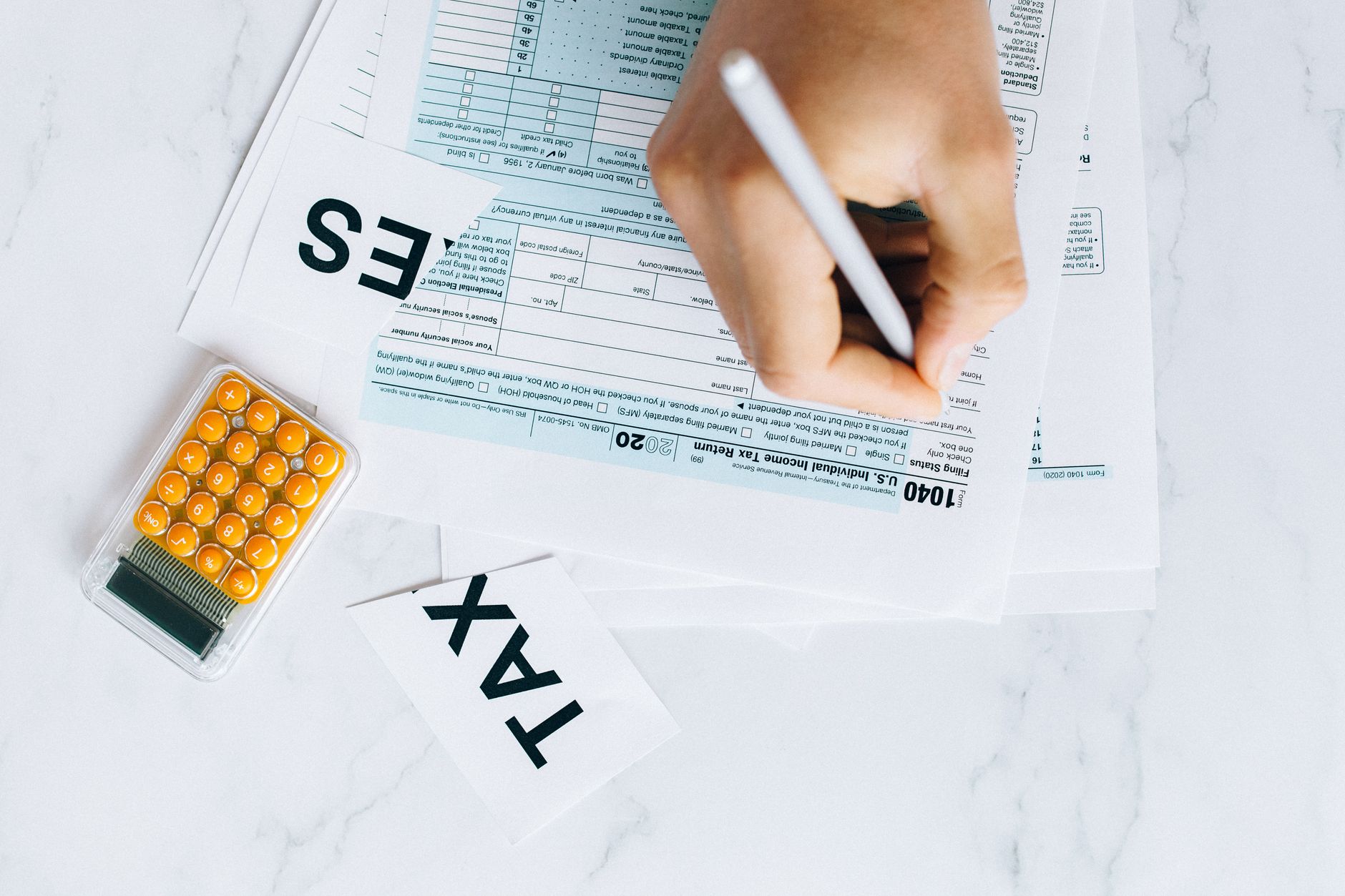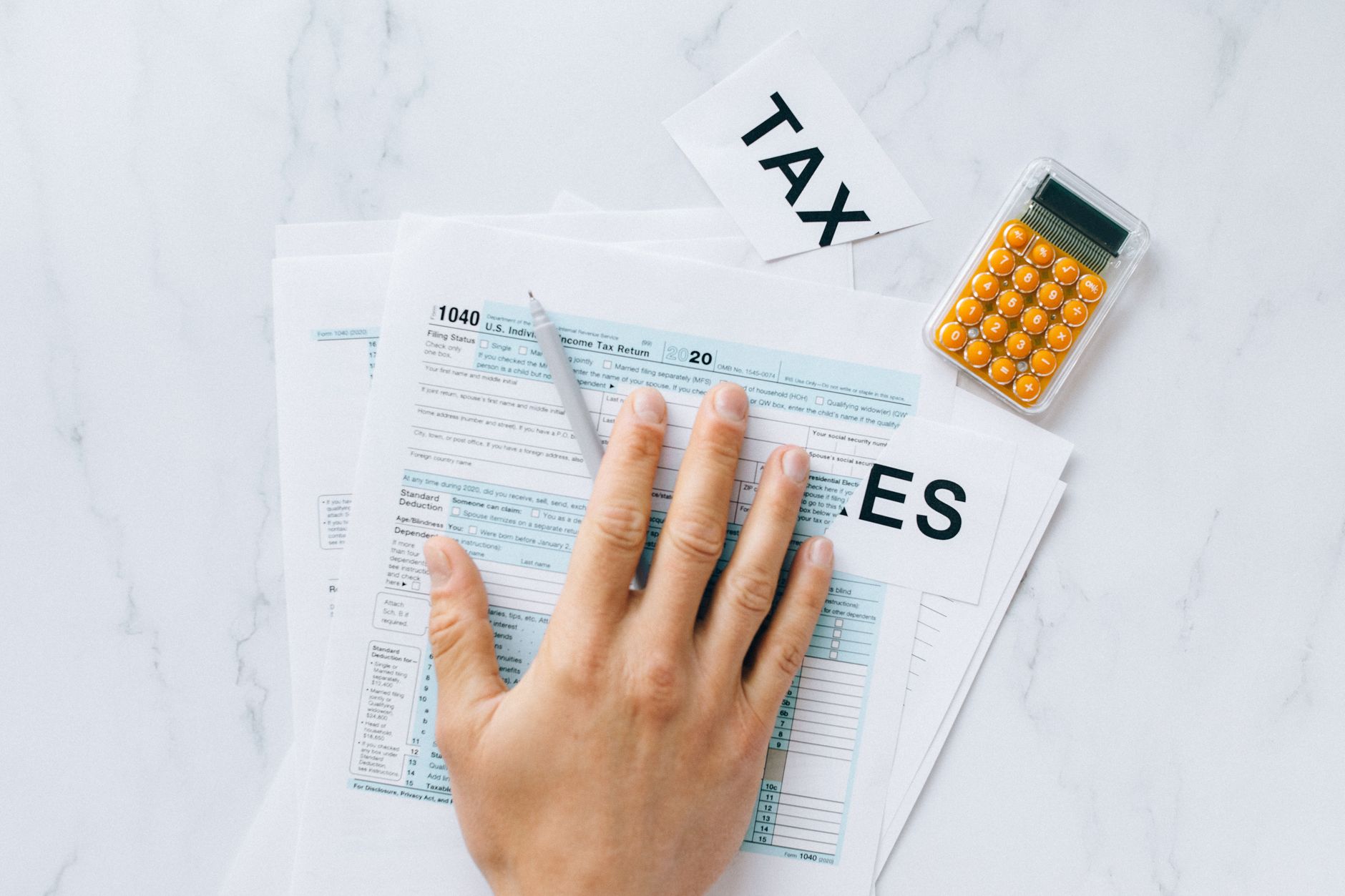
The Rs 200 daily meal voucher or food coupon benefit that salaried employees have long enjoyed as a tax-free perquisite is no longer available under the new tax regime, which has become the default option for most taxpayers. This change is causing confusion among employees filing their income tax returns this year, as many expected to claim this benefit as they had in previous years.
Understanding the Meal Voucher Benefit
Historically, meal vouchers or food coupons provided by employers were exempt from taxation up to Rs 50 per meal, effectively allowing Rs 100 per day or approximately Rs 2,200-2,600 per month as a tax-free benefit. However, this limit was informally understood to extend to Rs 200 per day in practice by many organizations. These vouchers, offered through platforms like Sodexo meal passes or similar services, allowed employees to purchase food at restaurants, cafeterias, and grocery stores without this amount being added to their taxable income.
The New Tax Regime Changes Everything
The new tax regime, introduced in Budget 2020 and made the default option from Financial Year 2023-24, offers lower tax rates but eliminates most deductions and exemptions. Under this regime, taxpayers cannot claim numerous benefits including house rent allowance, leave travel allowance, standard deduction beyond the basic limit, and importantly, the meal voucher exemption.
For Assessment Year 2025-26, corresponding to income earned in Financial Year 2024-25, the new tax regime is the automatic choice unless employees specifically opt for the old regime. Many employees who did not actively choose the old regime or whose employers defaulted to the new system will find themselves unable to claim the meal voucher benefit.
Old Regime vs New Regime for Meal Benefits
Under the old tax regime, meal vouchers remain exempt from tax up to Rs 50 per meal, as per Section 17(2) of the Income Tax Act. This benefit falls under the category of perquisites that are not taxable. Employees who opt for the old regime can continue to enjoy this exemption, provided their employer offers such vouchers.
In contrast, the new tax regime provides no such exemption. Even if your employer provides meal vouchers, they will be considered part of your taxable salary if you're under the new regime.
What This Means for Your Take-Home Pay
For employees receiving meal vouchers worth Rs 2,500 per month (approximately Rs 30,000 annually), the tax impact depends on their income slab. Someone in the 30% tax bracket could lose tax savings of Rs 9,000 per year by not being able to claim this exemption. For those in lower brackets, the impact would be proportionally less but still significant.
However, the new tax regime's lower tax rates may still result in lower overall tax liability despite losing this exemption. The trade-off between lower rates and fewer exemptions needs to be calculated individually.
Should You Switch Regimes?
The decision to stay in the new regime or opt for the old one should not be based solely on meal vouchers. You need to consider all available deductions under the old regime, including:
- HRA exemption
- Standard deduction differences
- Section 80C investments
- Home loan interest deduction
- Other allowances and exemptions
For employees with significant investments under Section 80C, home loans, or high HRA claims, the old regime might still be more beneficial. However, for those with minimal deductions, the new regime's lower rates often prove advantageous despite losing the meal voucher benefit.
Action Points for Employees
If you want to claim the meal voucher exemption for FY 2024-25, you must have opted for the old tax regime either through your employer during the year or while filing your ITR. Check your Form 16 to see which regime your employer used for TDS deduction. If they used the new regime but the old regime is more beneficial for you, you can still opt for the old regime while filing your return and claim a refund.
Going forward, make an informed decision at the start of each financial year about which regime suits your financial situation better.
This article is for general information purposes only and should not be considered as professional tax advice. Tax laws are subject to change, and individual circumstances vary. Consult a qualified chartered accountant or tax professional for personalized guidance on your specific tax situation.