India's healthcare system faces a unique challenge: serving 1.4 billion people with a severe shortage of doctors and vast geographical disparities. The doctor-to-population ratio stands at roughly 1:1,400, far below the World Health Organisation's recommended 1:1,000. Enter artificial intelligence, which is now enabling frontline healthcare workers to carry clinical protocols and diagnostic capabilities literally in their pockets.
The Digital Health Revolution at the Grassroots
The concept of "protocol in every pocket" represents a fundamental shift in how India delivers primary healthcare. Through smartphone applications powered by AI, community health workers, nurses, and paramedics in remote villages can now access decision-support systems that were once available only to specialist doctors in urban hospitals.
These AI-powered tools guide frontline workers through symptom assessment, suggest appropriate diagnostic tests, and recommend treatment protocols based on established medical guidelines. For a country where 65% of the population lives in rural areas with limited access to qualified physicians, this technology acts as a virtual consultant available 24/7.
How AI Assists Frontline Healthcare Workers
AI applications designed for India's healthcare frontline typically include several key features:
- Clinical decision support systems that analyse symptoms and medical history to suggest diagnoses
- Protocol checklists for managing common conditions like diabetes, hypertension, and maternal health
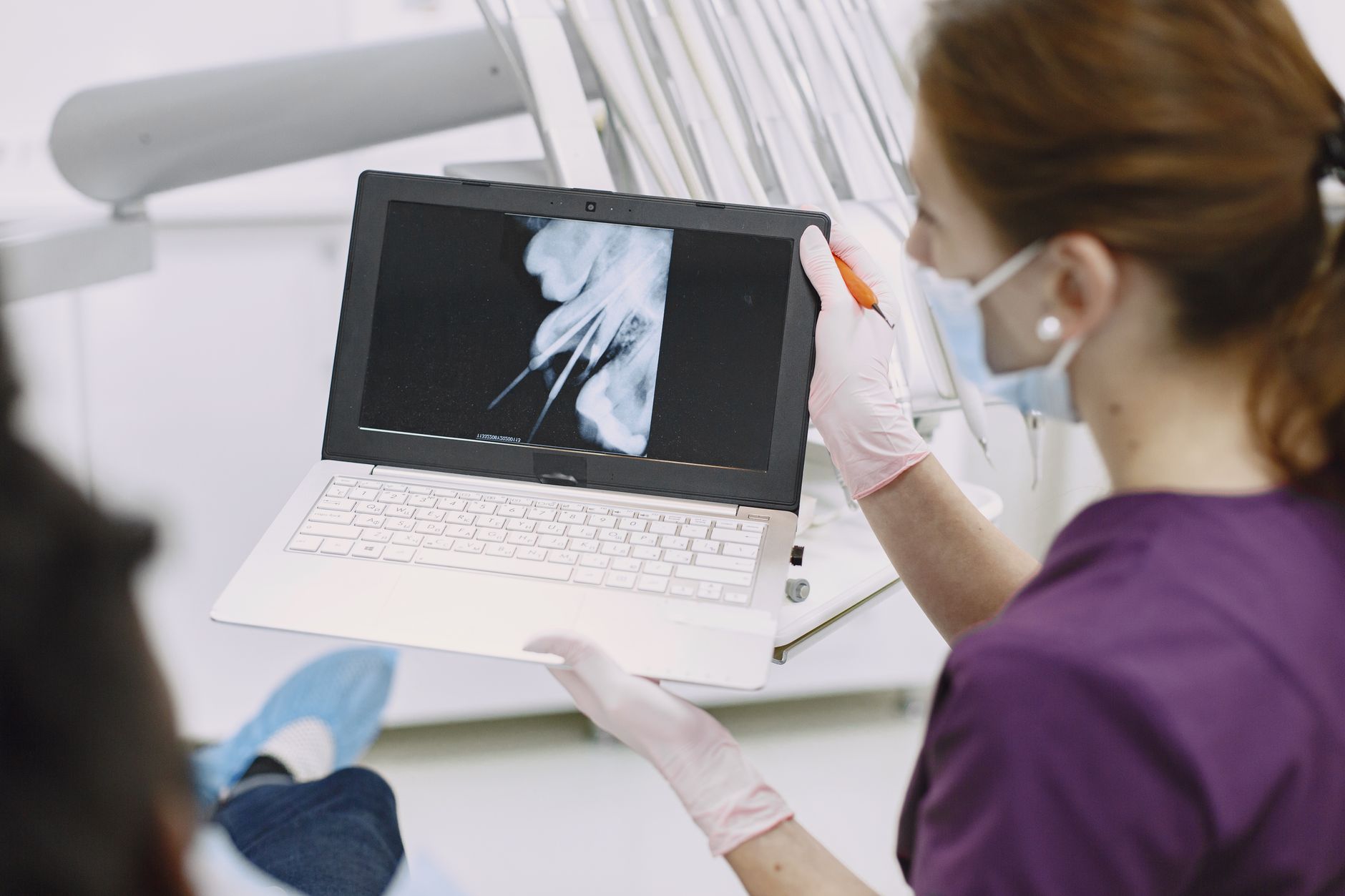
- Image recognition capabilities for identifying skin conditions, eye diseases, and chest X-ray abnormalities
- Medication databases with dosage calculators and drug interaction warnings
- Real-time data collection that helps track disease outbreaks and health trends
These tools don't replace doctors but rather extend their reach. An Accredited Social Health Activist (ASHA) worker visiting a pregnant woman in a remote village can now use an app to assess risk factors, schedule appropriate check-ups, and identify warning signs that require immediate medical attention.
Real-World Applications and Success Stories
Several initiatives across India demonstrate this technology's impact. Government programmes have integrated AI tools into routine health surveys and disease surveillance systems. Private sector innovations have created apps that help diagnose tuberculosis from cough sounds, detect diabetic retinopathy through smartphone-attached camera devices, and provide mental health support through chatbots fluent in multiple Indian languages.
During the COVID-19 pandemic, these systems proved invaluable. AI-powered screening tools helped triage patients, monitoring apps tracked home-isolated cases, and telemedicine platforms brought specialist consultations to patients' homes. The crisis accelerated adoption and demonstrated the scalability of digital health solutions.
Overcoming Infrastructure Challenges
India's digital healthcare push faces significant obstacles. Internet connectivity remains patchy in rural areas, though improving rapidly with 4G and 5G expansion. Many frontline workers lack smartphones or technical literacy. Power supply issues complicate device charging and data storage.
Solutions are emerging through innovative approaches. Offline-capable applications store essential protocols and function without internet connectivity. Voice-based interfaces overcome literacy barriers. Solar-powered charging stations and low-bandwidth data transmission protocols address infrastructure gaps. Government initiatives like the Ayushman Bharat Digital Mission are creating digital health IDs and standardised platforms to improve interoperability.
Quality Control and Accountability
AI in healthcare raises important questions about accuracy, liability, and quality assurance. Indian health authorities are developing regulatory frameworks to ensure AI tools meet safety standards before deployment. Training programmes help frontline workers understand both the capabilities and limitations of these systems.
The key principle remains that AI assists rather than replaces human judgment. Healthcare workers receive clear guidelines about when to escalate cases to qualified physicians. The technology enhances their ability to provide evidence-based care while maintaining appropriate checks and balances.
The Path Forward
The integration of AI into India's healthcare frontline represents more than technological advancement—it's a practical solution to democratising medical expertise. As algorithms improve through exposure to diverse Indian populations and local disease patterns, their utility will increase. Integration with national health records will enable personalised recommendations and better continuity of care.
The vision of "protocol in every pocket" is gradually becoming reality, potentially transforming health outcomes for millions of Indians who previously had limited access to quality medical guidance. However, success depends on continued investment in digital infrastructure, comprehensive training programmes, and careful monitoring to ensure these tools genuinely improve healthcare delivery without creating new inequities.
This article provides general information about AI applications in healthcare and should not be considered medical advice. Healthcare decisions should always involve consultation with qualified medical professionals. The effectiveness of specific AI tools may vary, and readers should verify current regulatory approvals and evidence bases before using any health technology.