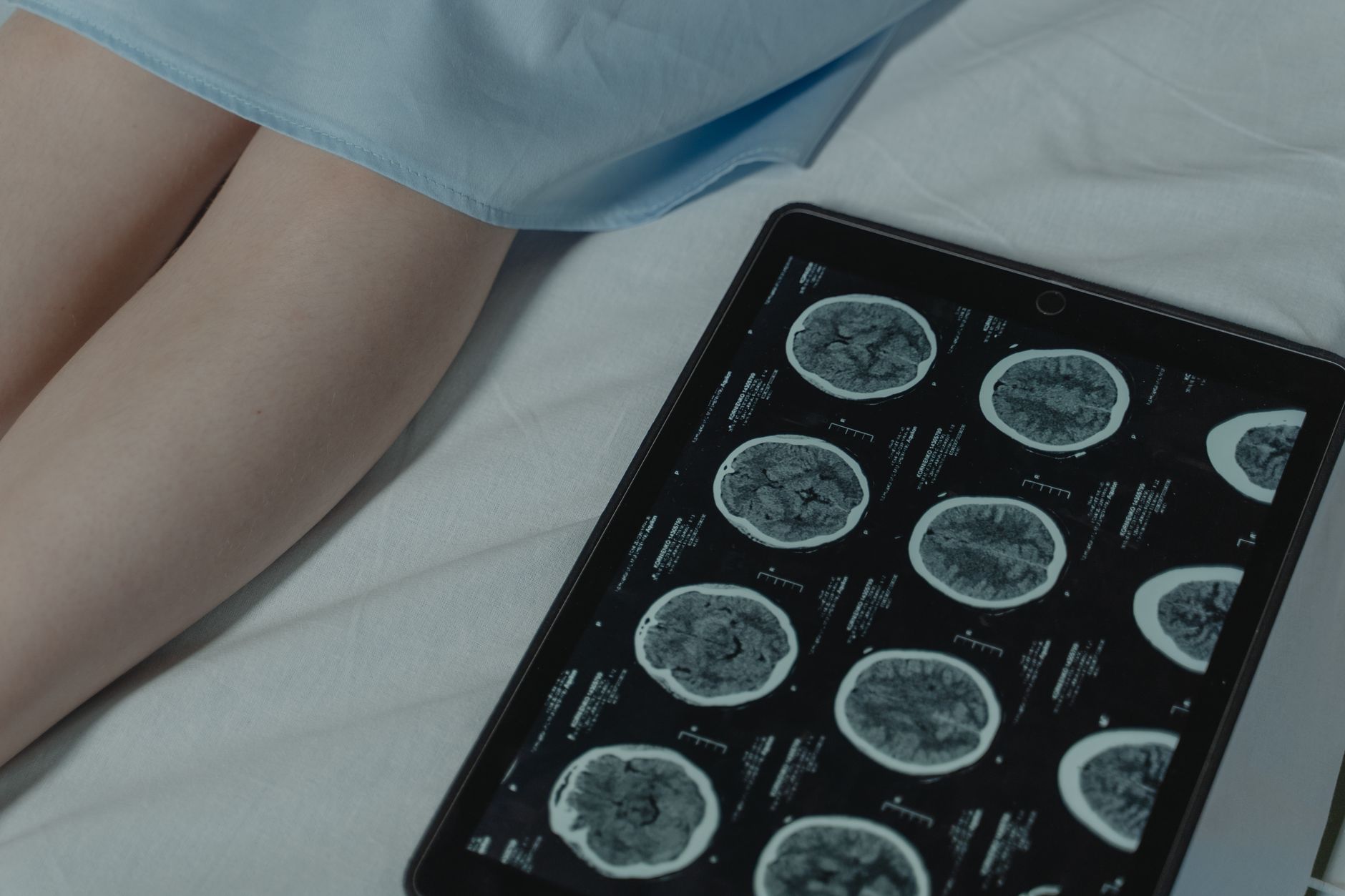
India is witnessing an alarming increase in brain and neurological disorders at a time when the healthcare system is severely understaffed with neurologists. This mismatch between rising patient numbers and available specialists has created a healthcare crisis that affects millions across the country, particularly in rural and semi-urban areas.
The Growing Burden of Neurological Disorders
Neurological conditions have emerged as a significant public health challenge in India. Stroke, epilepsy, dementia, Parkinson's disease, migraine, and various neurodevelopmental disorders are becoming increasingly common. Recent estimates suggest that neurological disorders account for a substantial portion of the overall disease burden in the country, affecting people across all age groups.
The reasons for this increase are multifaceted. An aging population means more cases of age-related conditions like dementia and Parkinson's disease. Changing lifestyles, including poor dietary habits, lack of physical activity, and increased stress levels, contribute to higher rates of stroke and other vascular brain conditions. Additionally, better diagnostic capabilities mean that conditions previously undiagnosed are now being identified, though this improved detection also highlights the gap in treatment availability.
The Neurologist Shortage Crisis
The shortage of neurologists in India is stark and worrying. The country has approximately one neurologist for every 1 to 1.5 million people, far below the recommended ratio. This compares unfavorably with developed nations where the ratio is often one neurologist per 20,000 to 50,000 people.
The distribution of available neurologists is also highly uneven. Major metropolitan cities like Delhi, Mumbai, Bangalore, and Chennai have a relatively better concentration of specialists, but vast swathes of rural India have little to no access to neurological care. Many tier-2 and tier-3 cities lack even a single practicing neurologist, forcing patients to travel hundreds of kilometers for consultation.
Why the Shortage Exists
Several factors contribute to the shortage of neurologists in India. The number of training seats for neurology specialization is limited, with only a handful of medical colleges offering DM (Doctorate of Medicine) courses in neurology. The rigorous training period, typically spanning six years after basic medical graduation, also means fewer doctors choose this path.
Many trained neurologists prefer to practice in urban centers where infrastructure, diagnostic facilities, and earning potential are better. Private practice in cities offers more attractive compensation compared to government positions in rural areas, leading to a brain drain from regions that need specialists most.
The cost of setting up a neurology practice with necessary diagnostic equipment like MRI and CT scanners is prohibitive, making it difficult for individual practitioners to establish themselves in smaller towns.
Impact on Patient Care
The shortage has serious consequences for patients. Delayed diagnosis is common, with many patients waiting months for an appointment with a neurologist. Time-sensitive conditions like stroke, where every minute counts, often go untreated due to lack of immediate specialist availability.
Many patients end up consulting general physicians who may not have the specialized training to manage complex neurological conditions. This can lead to misdiagnosis, inappropriate treatment, or delayed referrals. The financial burden on families increases as they must travel long distances, often repeatedly, to access specialist care.
Potential Solutions and Way Forward
Addressing this crisis requires a multi-pronged approach. Increasing the number of neurology training seats in medical colleges across the country is essential. The government could incentivize neurologists to work in underserved areas through better compensation packages, housing, and professional development opportunities.
Telemedicine has emerged as a promising solution, allowing neurologists in urban centers to consult with patients in remote areas. The COVID-19 pandemic accelerated the adoption of teleconsultations, and this model could be expanded with proper regulatory frameworks.
- Training general physicians and primary care doctors in basic neurological assessment
- Establishing stroke units and epilepsy clinics at district hospitals
- Creating fellowship programs to increase the pool of specialists
- Encouraging public-private partnerships to improve infrastructure
- Implementing awareness campaigns for early detection of neurological symptoms
Task-shifting, where trained nurses and paramedics handle routine follow-ups under neurologist supervision, can also help maximize the efficiency of available specialists.
The rising burden of brain disorders combined with the shortage of neurologists represents a significant challenge for India's healthcare system. Without urgent intervention, the gap between demand and supply will only widen, leaving millions without access to essential neurological care.
This article is for general information purposes only and is not a substitute for professional medical advice. If you experience neurological symptoms, please consult a qualified healthcare provider for proper diagnosis and treatment.