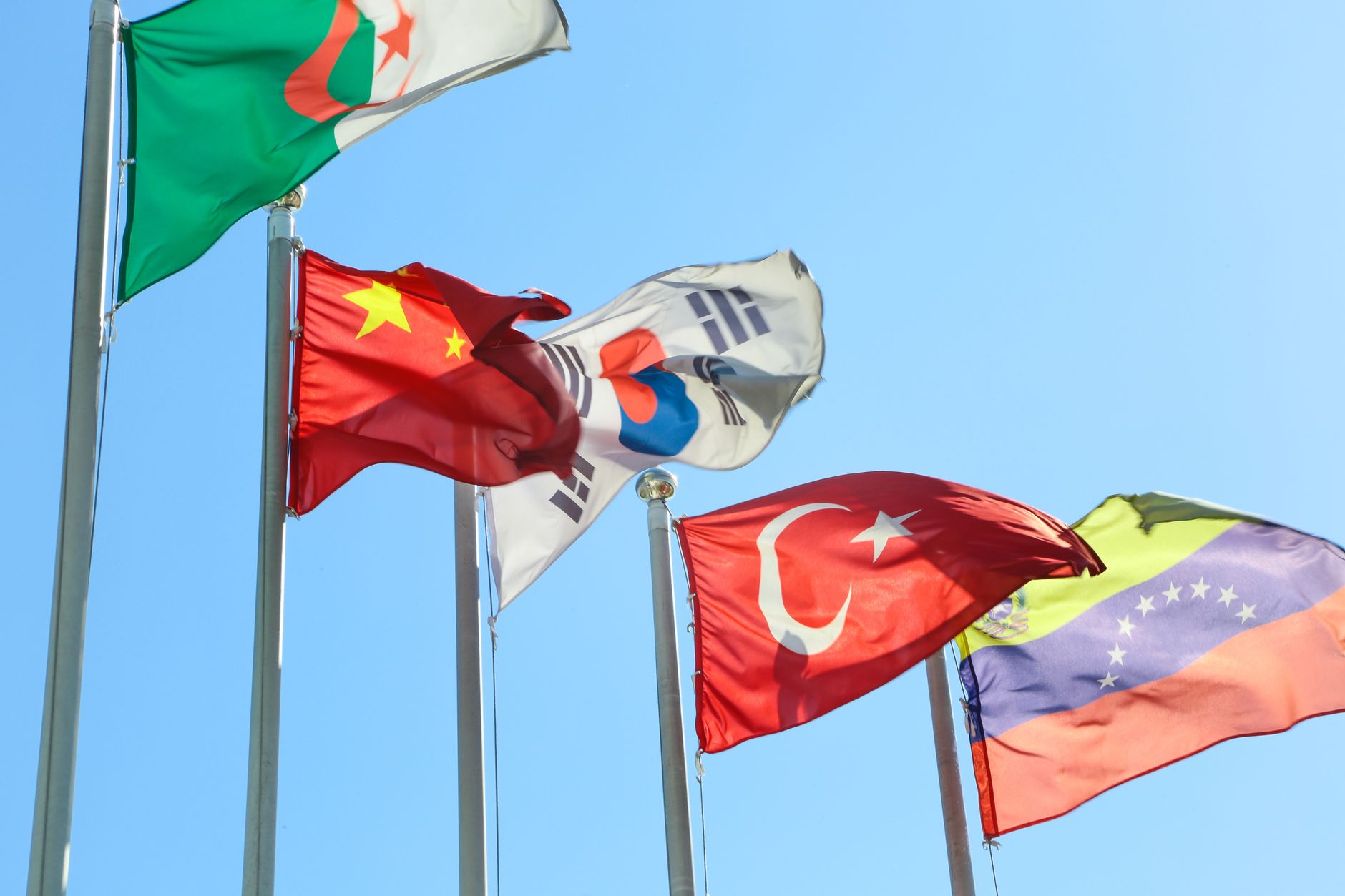
The BRICS nations—Brazil, Russia, India, China, and South Africa—have announced a collaborative initiative to strengthen Traditional, Complementary and Integrative Medicine (TCIM) through the formation of a specialized Expert Working Group. This development represents a landmark effort to elevate traditional medical practices on the global stage and create frameworks for their integration into modern healthcare systems.
Understanding TCIM and Its Global Significance
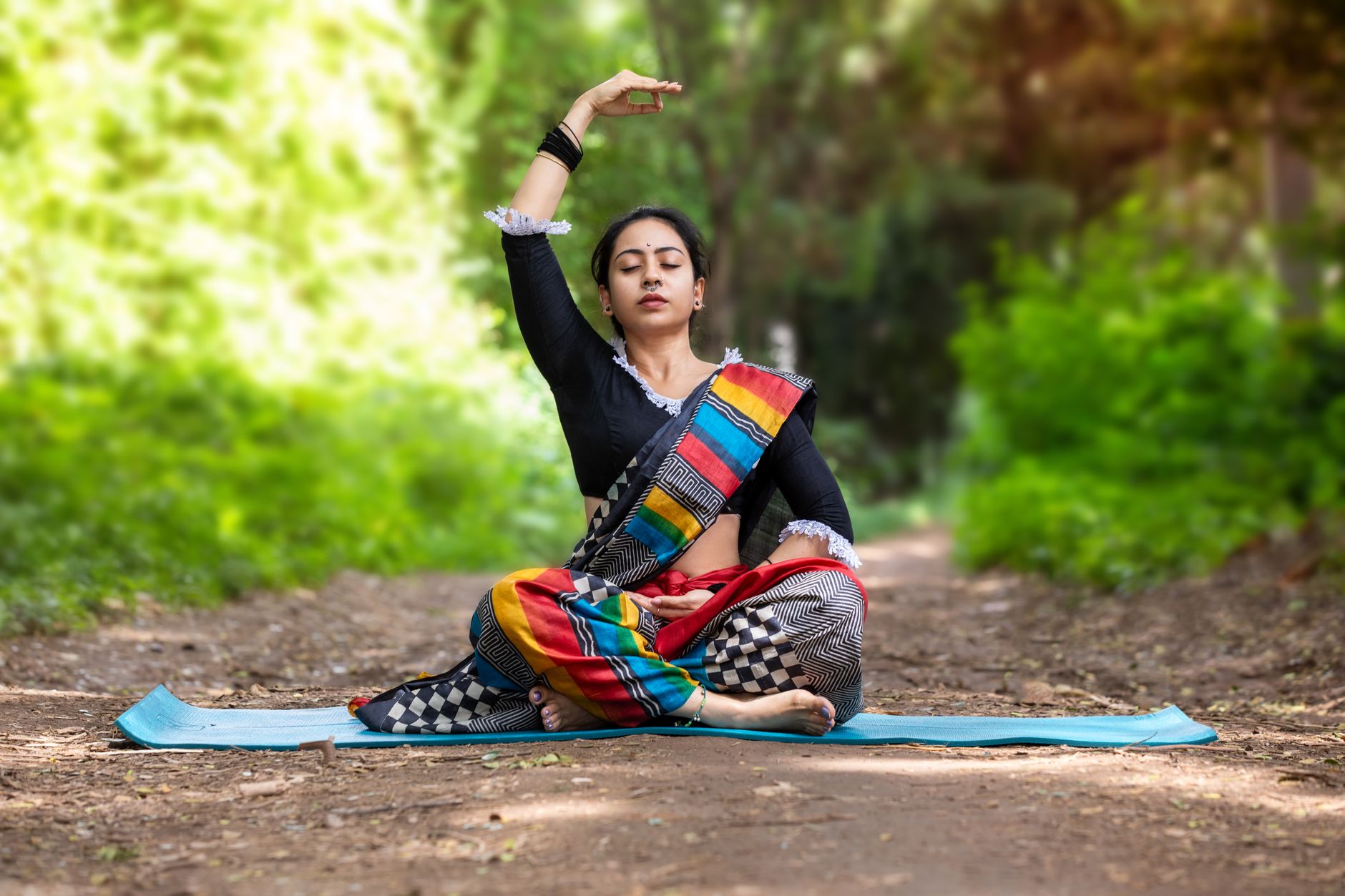
Traditional, Complementary and Integrative Medicine encompasses healing practices that have been developed over centuries across different cultures. These include Ayurveda from India, Traditional Chinese Medicine, African traditional healing practices, and various indigenous medical systems from South America. Unlike conventional Western medicine, TCIM often focuses on holistic treatment approaches that consider the mind, body, and spirit as interconnected elements of health.
The World Health Organization estimates that approximately 80 percent of the population in some developing countries relies on traditional medicine for primary healthcare needs. Despite this widespread use, TCIM has historically faced challenges in gaining formal recognition and integration into mainstream healthcare systems.
Why BRICS Nations Are Leading This Initiative
The BRICS countries collectively represent nearly half of the world's population and possess rich traditions of indigenous medical knowledge. India contributes Ayurveda, Yoga, Naturopathy, Unani, Siddha, and Homeopathy. China brings its extensive Traditional Chinese Medicine system including acupuncture and herbal medicine. Brazil and South Africa contribute diverse indigenous healing practices rooted in their cultural heritage.
This collaboration makes strategic sense as these nations share common challenges in healthcare delivery, including managing the burden of non-communicable diseases, ensuring affordable healthcare access for large populations, and preserving cultural medical heritage.
The Expert Working Group's Mandate
The formation of the Expert Working Group signals a structured approach to advancing TCIM cooperation. The group is expected to focus on several key areas including standardization of practices, research collaboration, quality control, training and education, and regulatory frameworks.
By bringing together experts from member nations, the working group can facilitate knowledge exchange and develop common standards for traditional medicine practices. This standardization is crucial for ensuring safety, efficacy, and quality across different traditional medical systems.
Potential Benefits for Healthcare Systems
The strengthening of TCIM cooperation among BRICS nations could yield significant benefits for global healthcare. Traditional medicine often provides cost-effective treatment options, making healthcare more accessible to economically disadvantaged populations. Many traditional remedies use locally available plant materials, reducing dependency on expensive imported pharmaceuticals.
Integration of traditional and modern medicine can offer patients more comprehensive treatment options. For chronic conditions such as diabetes, arthritis, and stress-related disorders, TCIM approaches may complement conventional treatments and improve overall patient outcomes.
Challenges and Opportunities Ahead
Despite the promising initiative, several challenges remain. Standardizing diverse traditional medical systems while preserving their unique cultural contexts requires careful balancing. Scientific validation of traditional practices through rigorous research is essential but can be resource-intensive and methodologically complex.
Intellectual property rights present another challenge, as traditional knowledge systems are often community-owned rather than individually patented. Protecting this knowledge from biopiracy while facilitating beneficial research requires thoughtful policy frameworks.
However, the opportunities are equally significant. Enhanced collaboration could accelerate research into traditional medicinal plants, potentially leading to new drug discoveries. Improved documentation and digitization of traditional medical knowledge can preserve endangered healing practices for future generations.
India's Strategic Position in TCIM
India holds a particularly strong position in this collaboration, given its Ministry of AYUSH (Ayurveda, Yoga and Naturopathy, Unani, Siddha, and Homoeopathy) and extensive infrastructure for traditional medicine education and practice. India has been actively promoting TCIM globally and this BRICS initiative aligns with its broader diplomatic and healthcare objectives.
The country's experience in integrating AYUSH systems into public health programs and establishing quality standards could serve as valuable models for other member nations.
Looking Forward
The formation of the BRICS Expert Working Group on TCIM represents a significant milestone in the global recognition of traditional medicine. As the group takes shape and begins its work, the international healthcare community will be watching closely to see how this collaboration influences policy, research, and practice in traditional medicine worldwide.
This article is for general informational purposes only and does not constitute medical advice. Readers should consult qualified healthcare professionals for medical concerns and treatment decisions. The efficacy of traditional medicine practices may vary, and any integration with conventional treatment should be discussed with licensed medical practitioners.