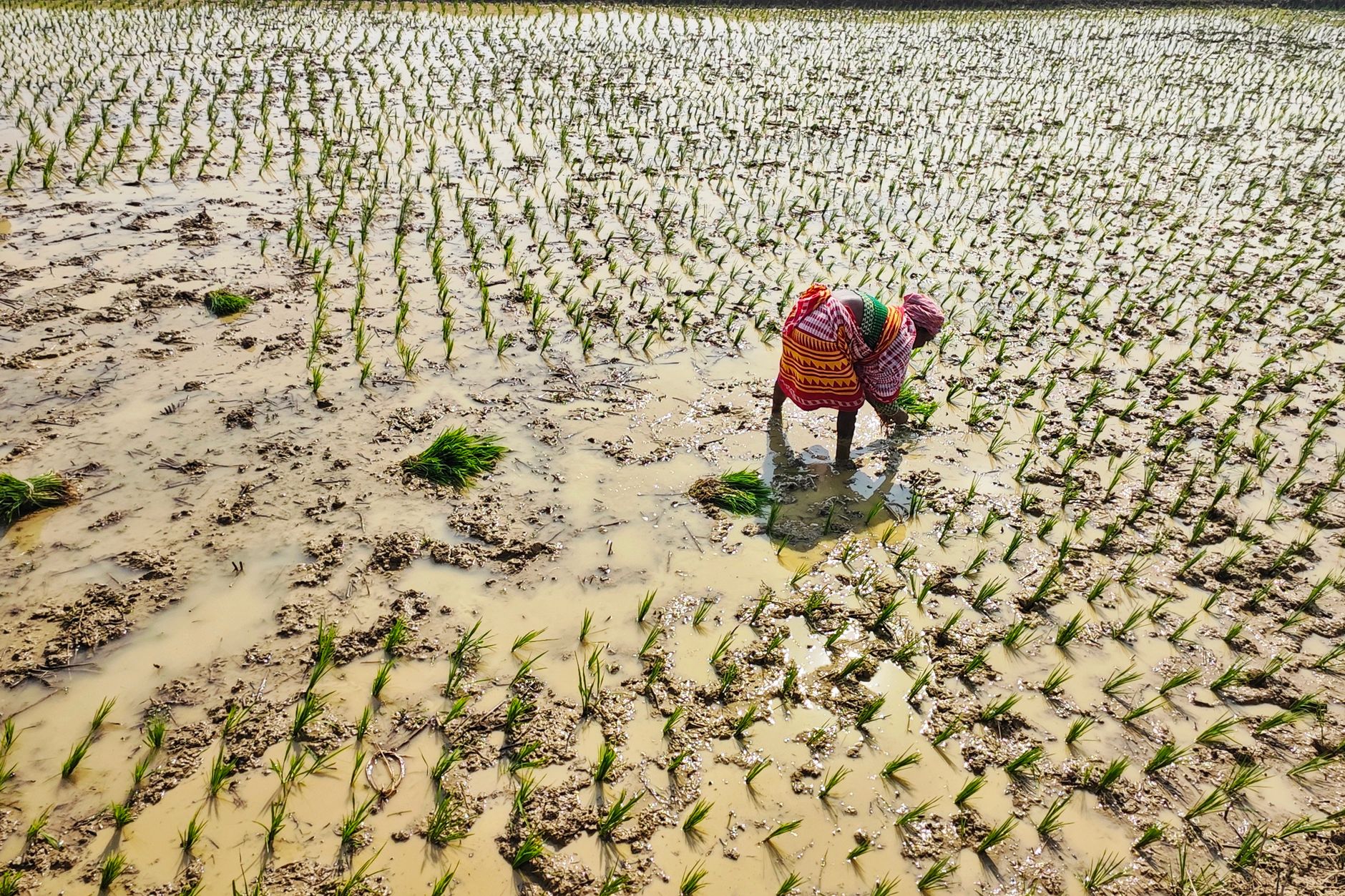
India's agricultural sector has long been at the mercy of the monsoon, with nearly 60 percent of the country's farmland still dependent on rainfall. As climate change makes monsoon patterns increasingly erratic, a growing number of investors and agribusinesses are betting that advanced seed technology could be the answer to this age-old challenge.
The Monsoon Dependency Challenge
Indian farmers have traditionally relied on the southwest monsoon, which delivers roughly 70 percent of the country's annual rainfall between June and September. When the monsoon arrives late, is deficient, or distributes unevenly, crop yields suffer dramatically. This unpredictability affects not just farmer incomes but also food security, inflation, and overall economic growth.
The 2023 monsoon season illustrated this vulnerability perfectly, with delayed onset in several regions causing significant distress to farmers who had already sown their crops. Such incidents have become more frequent in recent years, prompting both the government and private sector to seek technological solutions.
The Seed Technology Revolution
Modern seed technology encompasses several innovations designed to make crops more resilient. Drought-tolerant varieties can survive with significantly less water, while heat-resistant seeds maintain productivity even during temperature spikes. Some hybrid seeds also offer shorter crop cycles, allowing farmers to avoid the tail end of uncertain weather patterns.
Companies developing these seeds use advanced breeding techniques, marker-assisted selection, and in some cases, genetic modification to create varieties that can withstand environmental stress. For instance, drought-tolerant maize varieties have shown yield advantages of 20-30 percent under water-stress conditions compared to conventional seeds.
Investment Opportunities in the Seed Sector
The seed industry in India has attracted substantial investment interest over the past decade. The domestic seed market, valued at approximately 15,000 crore rupees, has been growing at 8-10 percent annually. Several factors make this sector attractive to investors.
First, government initiatives like the National Mission for Sustainable Agriculture actively promote climate-resilient crop varieties, creating policy tailwinds for seed companies. Second, increasing farmer awareness about quality seeds and their impact on yields has expanded the addressable market. Third, India's large agricultural base ensures sustained demand.
Major seed companies, both domestic and multinational, have been expanding their research and development budgets. Investors can gain exposure through publicly listed seed companies or through private equity investments in emerging biotech firms focused on agricultural solutions.
Beyond Seeds: A Holistic Approach
While improved seeds represent a crucial piece of the puzzle, experts caution that they cannot single-handedly solve the monsoon dependency problem. Successful implementation requires complementary investments in irrigation infrastructure, soil health management, and farmer education.
Micro-irrigation systems, such as drip and sprinkler irrigation, can maximize the effectiveness of drought-tolerant seeds. Soil testing and appropriate fertilizer use ensure that resilient crop varieties achieve their full genetic potential. Additionally, farmers need training and financial support to transition from traditional seeds to newer varieties, which often carry higher upfront costs.
The Economic Multiplier Effect
Investment in better seeds creates ripple effects across the agricultural value chain. When farmers achieve more stable yields regardless of monsoon variability, their income becomes more predictable. This stability encourages additional investment in farm mechanization, storage facilities, and value-added processing.
For the broader economy, reduced agricultural volatility means more stable food prices, lower inflation risk, and decreased need for emergency government interventions like crop insurance payouts or loan waivers. These macro-economic benefits make agricultural technology investments strategically important beyond their direct financial returns.
Risks and Considerations
Investors should be aware that the seed sector faces several challenges. Regulatory approvals for new varieties can be time-consuming and uncertain. Intellectual property protection remains a concern, with seed piracy affecting profit margins. Additionally, farmer adoption rates can be slower than anticipated, particularly for higher-priced premium seeds.
Climate change itself presents a moving target—seeds developed for today's conditions may need continuous refinement as weather patterns continue to evolve. This necessitates ongoing research and development spending, which can pressure short-term profitability.
Better seeds represent a promising but partial solution to Indian agriculture's monsoon dependency. For investors, the sector offers growth potential aligned with national priorities of food security and climate resilience. However, successful outcomes require a broader ecosystem approach combining technology, infrastructure, and farmer support systems.
This article is for general informational purposes only and should not be considered as investment advice. Readers should conduct their own research and consult with qualified financial advisors before making any investment decisions.