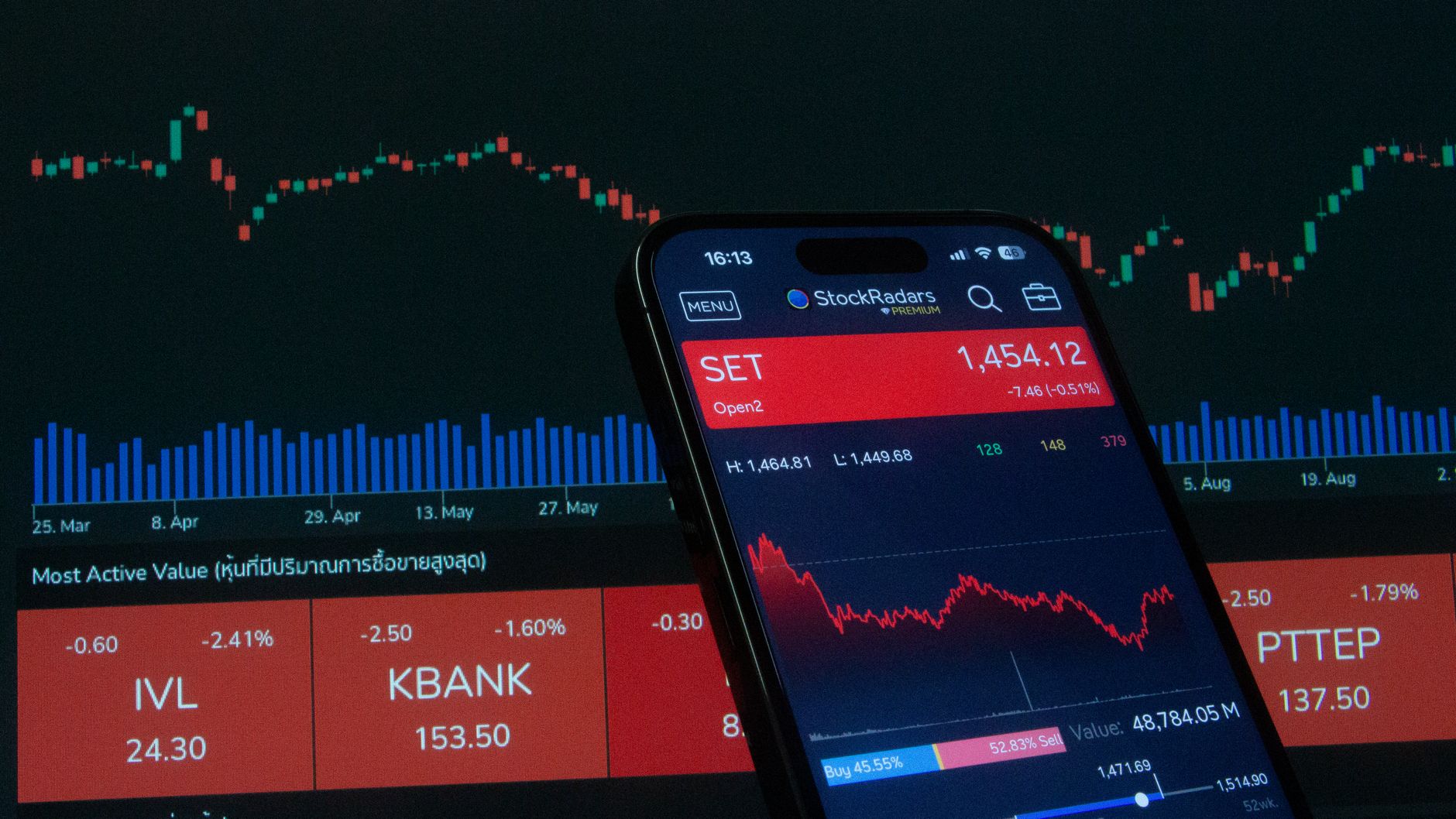
Vietnam has emerged as one of Asia's most compelling investment destinations, drawing attention from Indian institutional and retail investors seeking geographic diversification and exposure to high-growth markets. The Southeast Asian nation's stock market, comprising the Ho Chi Minh Stock Exchange and the Hanoi Stock Exchange, represents a strategic opportunity for Indian capital looking beyond traditional markets.
Why Vietnam Appeals to Indian Investors
Vietnam's economic trajectory mirrors India's own growth story from two decades ago. With a population exceeding 98 million, a median age of 32 years, and GDP growth consistently above 6 percent annually, Vietnam offers demographic dividends similar to those that have powered India's expansion. The country has successfully positioned itself as a manufacturing alternative to China, attracting global companies relocating production facilities under the China-plus-one diversification strategy.
For Indian investors, this presents an opportunity to participate in Vietnam's industrial transformation. The nation has become a major exporter of electronics, textiles, footwear, and furniture, with foreign direct investment flowing steadily into manufacturing infrastructure. Indian companies themselves have increased their presence in Vietnam, creating familiar touchpoints for investors evaluating the market.
Market Structure and Accessibility
The Vietnamese stock market has matured significantly over the past decade. The VN-Index, the benchmark for the Ho Chi Minh exchange, includes major state-owned enterprises and private companies across banking, real estate, manufacturing, and consumer goods sectors. The market capitalization has grown substantially, though it remains smaller and less liquid than major Asian exchanges, presenting both opportunities and risks.
Indian investors can access Vietnamese equities through several channels. International mutual funds and exchange-traded funds with Southeast Asian or emerging market mandates often include Vietnamese holdings. Some fund houses offer Vietnam-focused funds accessible to Indian investors. Additionally, investors with international trading accounts can directly purchase shares listed on Vietnamese exchanges, though this requires understanding local regulations and currency considerations.
Key Sectors Driving Growth
Several sectors stand out for investment consideration. The banking and financial services sector has expanded rapidly, supporting Vietnam's growing middle class and business ecosystem. Major Vietnamese banks have modernized operations and improved asset quality, though they face different regulatory frameworks than Indian financial institutions.
The manufacturing sector benefits from global supply chain diversification, with electronics assembly, textile production, and component manufacturing showing strong growth. Real estate and construction have witnessed boom cycles, though investors should note the sector's cyclical nature and regulatory changes affecting property markets.
Consumer goods and retail represent another attractive segment, as Vietnam's rising incomes drive demand for branded products, modern retail formats, and lifestyle services. Technology adoption has accelerated, with e-commerce, digital payments, and fintech platforms gaining traction among Vietnam's young, tech-savvy population.
Investment Considerations and Risks
Vietnamese stocks typically trade at attractive valuations compared to more mature Asian markets, offering potential upside for patient investors. However, the market carries specific risks that Indian investors must evaluate carefully.
Foreign ownership limits apply to certain sectors and companies, restricting how much overseas investors can hold in specific stocks. These caps can affect liquidity and complicate exit strategies. The market also experiences higher volatility than established exchanges, with significant price swings during periods of uncertainty.
Currency risk represents another factor, as the Vietnamese dong's movements against the Indian rupee can impact returns. Vietnam's capital market infrastructure, while improving, lacks the depth and sophistication of markets like India's NSE or BSE. Information availability in English can be limited for smaller companies, making due diligence more challenging.
Regulatory differences require attention. Vietnam's legal framework for investors differs substantially from India's, with different tax treatments, repatriation rules, and corporate governance standards. Political risk, while generally low given Vietnam's stable one-party system, remains a consideration for long-term investors.
Strategic Portfolio Positioning
For Indian investors, Vietnamese equities can serve as a diversification tool within an international portfolio allocation. Rather than concentrating large positions, a measured exposure through diversified funds or select blue-chip stocks aligned with long-term growth themes makes strategic sense.
The correlation between Indian and Vietnamese markets is relatively low, providing genuine diversification benefits. When Indian markets face headwinds, Vietnam's different economic drivers and trade relationships may offer portfolio stability.
This article provides general information for educational purposes only and should not be considered investment advice. Investors should conduct thorough due diligence, consider their risk tolerance and investment objectives, and consult with qualified financial advisors before making investment decisions in foreign markets. Past performance does not guarantee future results, and international investments carry additional risks including currency fluctuation and geopolitical factors.