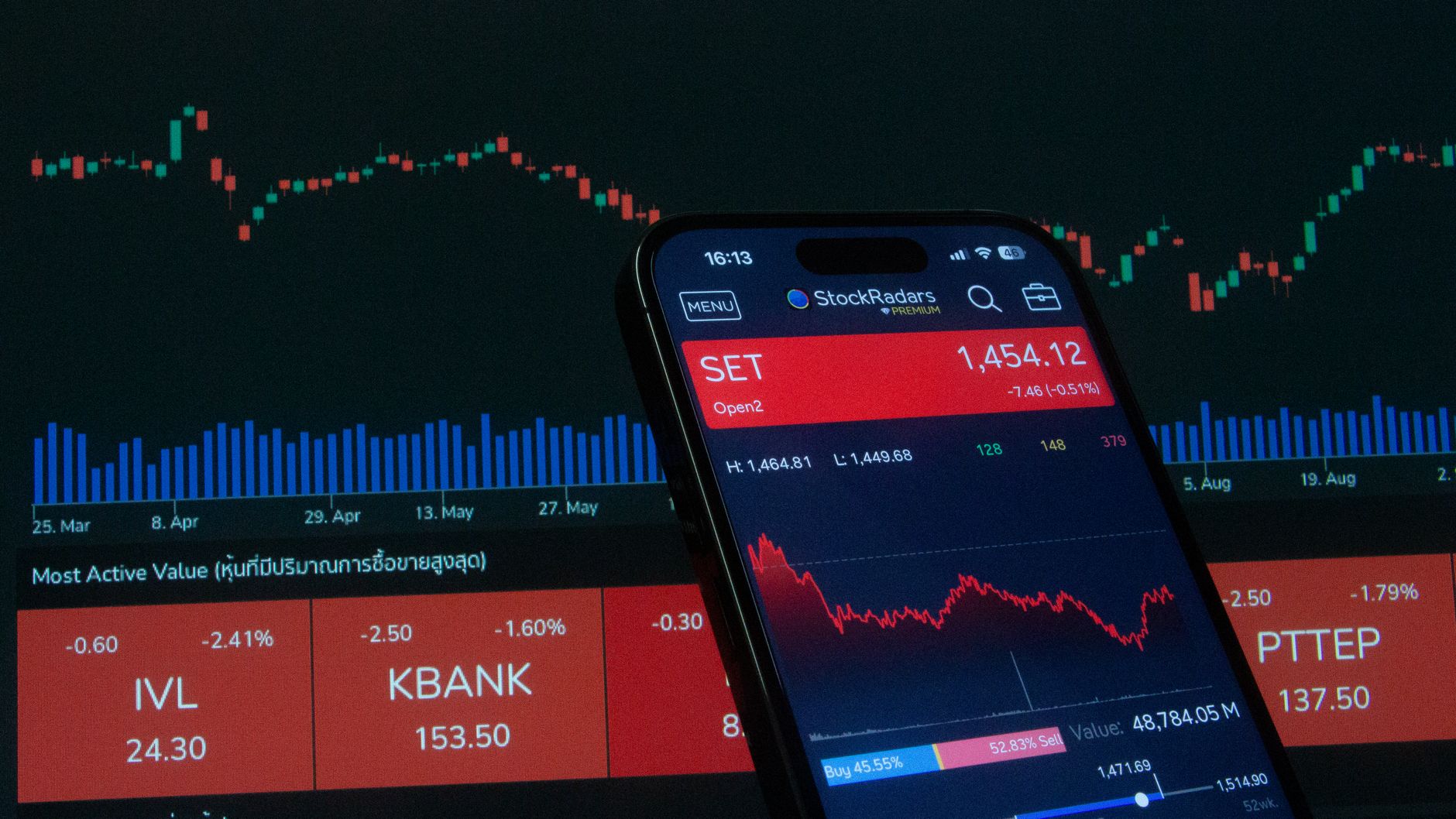
The Indian stock market has witnessed significant volatility over the past few years, but fresh optimism is emerging from senior market participants. The leadership at SBI Securities, one of India's leading brokerage houses, has projected that the benchmark Nifty 50 index could scale new heights by the end of 2026, signaling potential opportunities for long-term investors.
Understanding the Nifty 50 Index
The Nifty 50 is India's premier stock market index, comprising 50 of the largest and most liquid companies listed on the National Stock Exchange (NSE). It serves as a barometer for the overall health of the Indian equity market and represents approximately 66% of the total market capitalization of the NSE. The index includes heavyweights from diverse sectors including banking, information technology, energy, pharmaceuticals, and consumer goods.
Factors Supporting the Bullish Outlook
Several structural and cyclical factors could support the projected upward trajectory of the Nifty 50 over the coming years.
India's gross domestic product (GDP) is expected to maintain robust growth rates, driven by government infrastructure spending, digital transformation, and increasing domestic consumption. As the economy expands, corporate earnings typically follow suit, providing fundamental support to equity valuations. The country's demographic dividend, with a young and aspirational population, continues to fuel consumption-led growth across sectors.
The government's focus on manufacturing through initiatives like "Make in India" and the Production Linked Incentive (PLI) schemes is attracting substantial domestic and foreign investment. This capital inflow not only strengthens specific sectors but also contributes to overall market liquidity and investor confidence.
Corporate Earnings and Sectoral Performance
Corporate earnings growth remains the bedrock of sustainable stock market performance. Indian companies have demonstrated resilience in navigating global headwinds, with many posting improved profitability margins. The banking sector, which holds significant weightage in the Nifty 50, has shown signs of asset quality improvement with declining non-performing assets (NPAs) and better capital adequacy ratios.
Technology services companies continue to benefit from global digital transformation trends, while pharmaceutical companies maintain their export competitiveness. Energy transition themes are creating new opportunities in renewable energy, electric vehicles, and related infrastructure sectors.
Potential Risks and Challenges
While the outlook appears positive, investors should remain cognizant of several risk factors that could impact the index's trajectory.
- Global economic slowdowns or recessions in major economies could reduce demand for Indian exports and services
- Geopolitical tensions and supply chain disruptions may create volatility in commodity prices and trade flows
- Interest rate movements, both domestically and internationally, can affect liquidity conditions and equity valuations
- Currency fluctuations, particularly the rupee-dollar exchange rate, impact corporate profitability for export-oriented companies
- Domestic factors such as monsoon patterns affecting agriculture and rural demand remain relevant
Investment Strategies for Long-Term Investors
For retail investors looking to participate in potential market upside, a systematic and disciplined approach remains crucial. Systematic Investment Plans (SIPs) in diversified equity mutual funds allow investors to average their purchase cost across market cycles while maintaining exposure to professional fund management.
Direct equity investors should focus on quality companies with strong fundamentals, sustainable competitive advantages, and capable management teams. Diversification across sectors and market capitalizations helps manage portfolio risk while capturing growth opportunities.
Regular portfolio review and rebalancing ensure that asset allocation remains aligned with investment goals and risk tolerance. Tax-efficient investment vehicles like Equity Linked Savings Schemes (ELSS) can serve dual purposes of wealth creation and tax optimization.
The Importance of Time Horizon
Market predictions, even from experienced professionals, come with inherent uncertainty. The 2026 timeframe suggests a medium-term investment horizon of approximately 2-3 years from the current date. Equity investments generally reward patient capital, and shorter investment periods increase exposure to market volatility and timing risk.
Investors should align their equity allocations with their financial goals, ensuring that money needed in the near term is not exposed to market fluctuations. Building an emergency fund covering 6-12 months of expenses before making substantial equity investments provides financial stability and prevents forced liquidation during market downturns.
This article is for informational purposes only and should not be considered personalized investment advice. Market projections are subject to change based on evolving economic conditions. Investors should evaluate their own financial situation, risk tolerance, and investment objectives before making investment decisions. Consider consulting with a certified financial planner or investment advisor for guidance tailored to your specific circumstances.