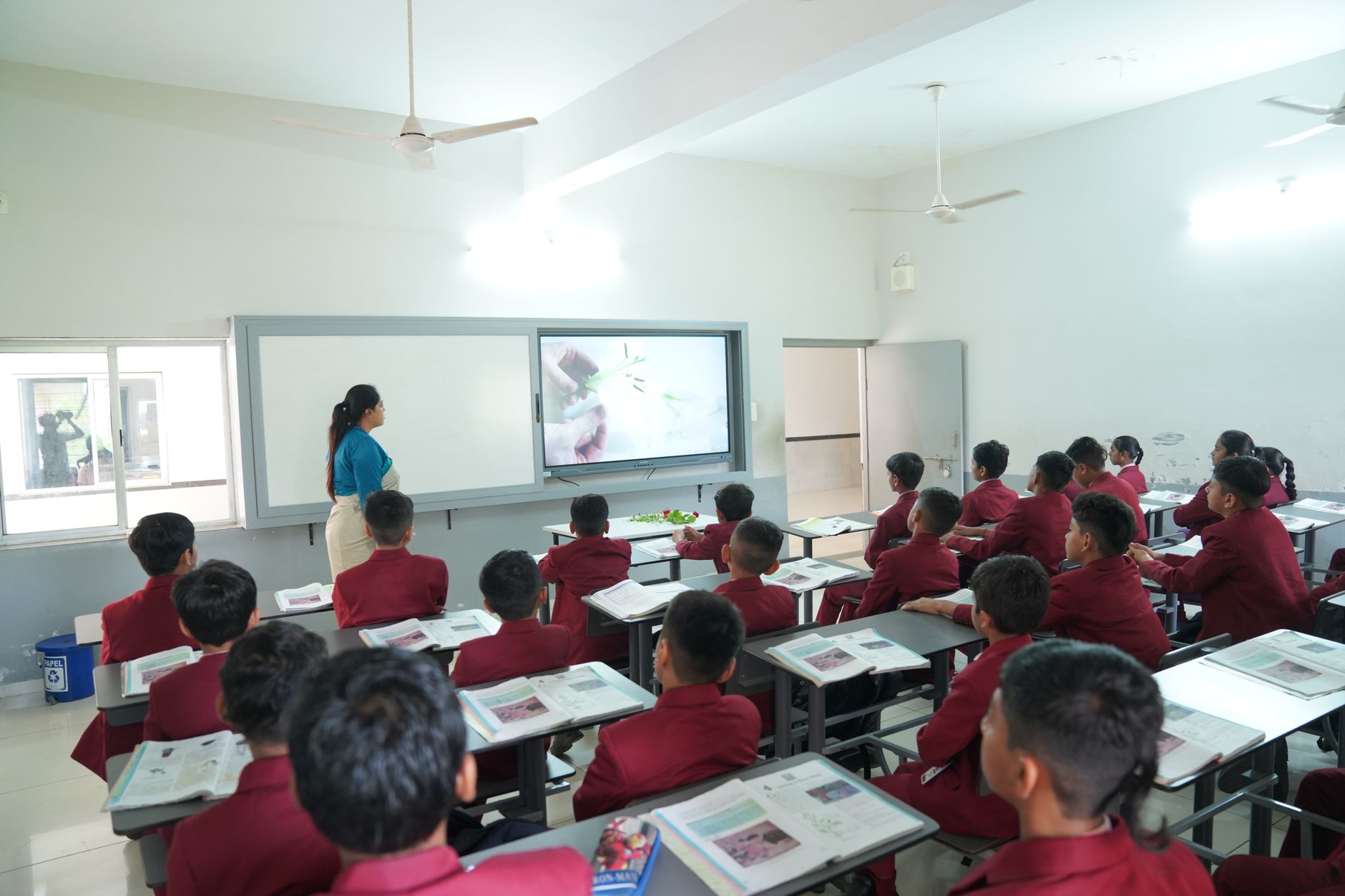
India's education landscape is witnessing a significant transformation as chess, the ancient game of strategy, prepares to enter classrooms across the country through a structured national initiative. This collaborative effort between the All India Chess Federation and government authorities marks a pivotal moment in recognizing chess as more than just a recreational activity, positioning it as a valuable educational tool.
The Vision Behind Chess Education
The nationwide initiative aims to introduce chess systematically into schools, making the game accessible to millions of students who might otherwise never encounter it. Rather than treating chess as an optional extracurricular activity, the programme seeks to integrate it into the regular academic framework, ensuring consistent exposure and learning opportunities for children across different age groups.
This move aligns with India's growing prominence in the global chess arena, particularly following the success of grandmasters who have brought international recognition to the country. By establishing chess education at the grassroots level, the initiative hopes to identify and nurture talent early while simultaneously providing cognitive benefits to all participating students, regardless of their competitive aspirations.
Educational Benefits of Chess
Research consistently demonstrates that chess offers numerous cognitive advantages for young learners. The game naturally develops critical thinking abilities as students learn to analyze positions, anticipate consequences, and formulate strategic plans. These skills transfer effectively to academic subjects, particularly mathematics, where pattern recognition and logical reasoning are essential.
- Enhanced concentration and focus during extended thinking periods
- Improved memory through learning opening sequences and tactical patterns
- Development of patience and emotional regulation when facing challenging positions
- Better decision-making skills by evaluating multiple options systematically
- Increased creativity in finding unique solutions to complex problems
The structured approach ensures students receive age-appropriate instruction, beginning with basic piece movement and rules before progressing to more sophisticated concepts like tactical combinations and positional understanding.
Implementation Framework
The programme is expected to roll out in phases, starting with pilot schools in select regions before expanding nationwide. Teachers will receive specialized training to deliver chess instruction effectively, even if they lack prior expertise in the game. This capacity-building component is crucial for sustainable implementation, ensuring quality instruction reaches students in urban and rural areas alike.
Infrastructure requirements remain relatively modest compared to other sports or activities. Schools need only basic chess sets and boards, making the programme cost-effective and scalable. Digital tools and online platforms may supplement traditional instruction, particularly in areas where trained instructors are scarce.
Equity and Accessibility
One of the initiative's most compelling aspects is its potential to level the playing field between students from different socioeconomic backgrounds. Unlike many activities that require expensive equipment or facilities, chess demands minimal resources. A child in a remote village can access the same quality of game as one in a metropolitan city, provided they receive proper instruction.
This democratization of access could prove transformative, particularly for students who might excel at strategic thinking but lack opportunities in conventional academic or athletic pursuits. Chess has historically produced champions from modest backgrounds, demonstrating that talent and dedication matter more than financial resources.
Building on India's Chess Heritage
India holds a special connection to chess, as the game's precursor, chaturanga, originated in the Indian subcontinent during the Gupta Empire. This historical legacy adds cultural significance to the initiative, connecting modern students with an ancient intellectual tradition that has influenced civilizations worldwide.
The country's recent chess achievements, including the emergence of young talents who compete successfully at international levels, provide inspiring role models for students entering the game. This ecosystem of success stories, combined with systematic education, could accelerate India's development as a global chess powerhouse.
Long-term Impact
Beyond producing competitive players, the initiative aims to cultivate a generation of strategic thinkers equipped to tackle complex challenges in various fields. The analytical skills developed through chess apply broadly to careers in technology, business, research, and public policy.
Schools participating in the programme may also benefit from improved student engagement and discipline, as chess provides a structured environment where effort and improvement are immediately visible and rewarding.
As this initiative unfolds across Indian schools, it represents an innovative approach to enriching education through an activity that combines intellectual rigor, accessibility, and cultural heritage. The coming years will reveal whether this investment in young minds through chess delivers on its promise of developing sharper, more strategic thinkers ready to navigate an increasingly complex world.