India has achieved a remarkable milestone in medical education infrastructure, more than doubling the number of medical colleges operational across the country since 2014. This dramatic expansion represents one of the most significant transformations in the nation's healthcare education landscape, aimed at addressing the chronic shortage of doctors and improving healthcare accessibility for India's 1.4 billion population.
The Scale of Expansion
The growth in medical colleges has been accompanied by a substantial increase in MBBS seats available to students. From approximately 400 medical colleges in 2014, the country now boasts over 700 institutions offering undergraduate medical education. This expansion has added tens of thousands of new seats annually, providing opportunities to students who previously faced intense competition for limited positions.
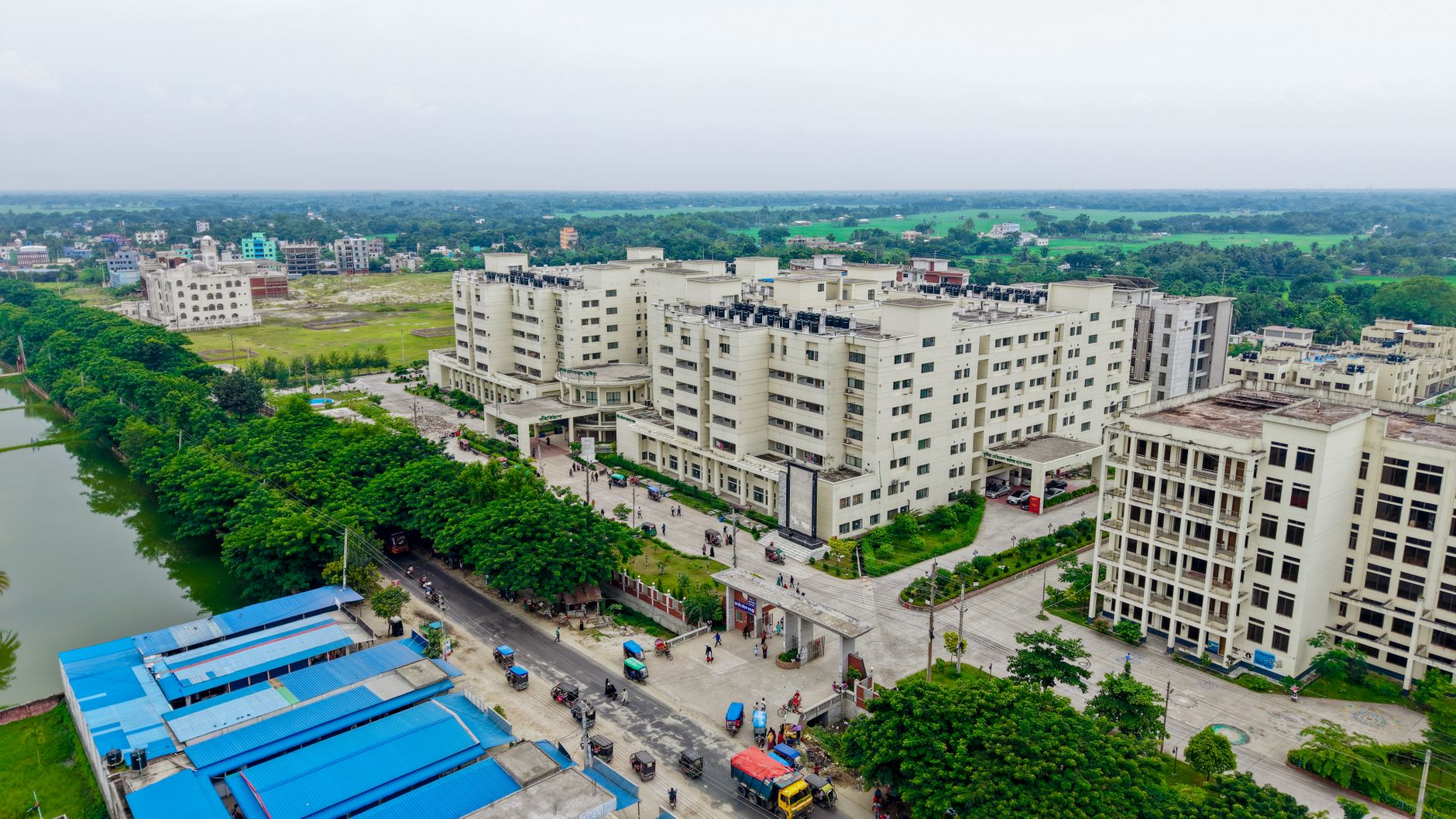
The increase encompasses both government and private medical colleges, with particular emphasis on establishing institutions in underserved states and districts. This geographical distribution aims to address regional disparities in medical education access and encourage doctors to practice in areas where they trained, potentially reducing the urban-rural healthcare divide.
Government Initiatives Driving Growth
Several policy measures have facilitated this expansion. The government streamlined approval processes for new medical colleges, particularly those attached to existing district hospitals. This model leverages existing infrastructure while adding educational components, making establishment more cost-effective and faster.
The centrally sponsored scheme to establish new medical colleges attached to district or referral hospitals has been instrumental. This initiative prioritized districts without existing medical colleges, ensuring wider geographical coverage. States received financial support and technical guidance to set up these institutions, reducing the burden on state budgets.
Additionally, upgradation of existing colleges to increase seat capacity has contributed significantly to the overall growth in available positions. Many established institutions expanded their infrastructure and faculty to accommodate larger student batches.
Impact on Medical Education Accessibility
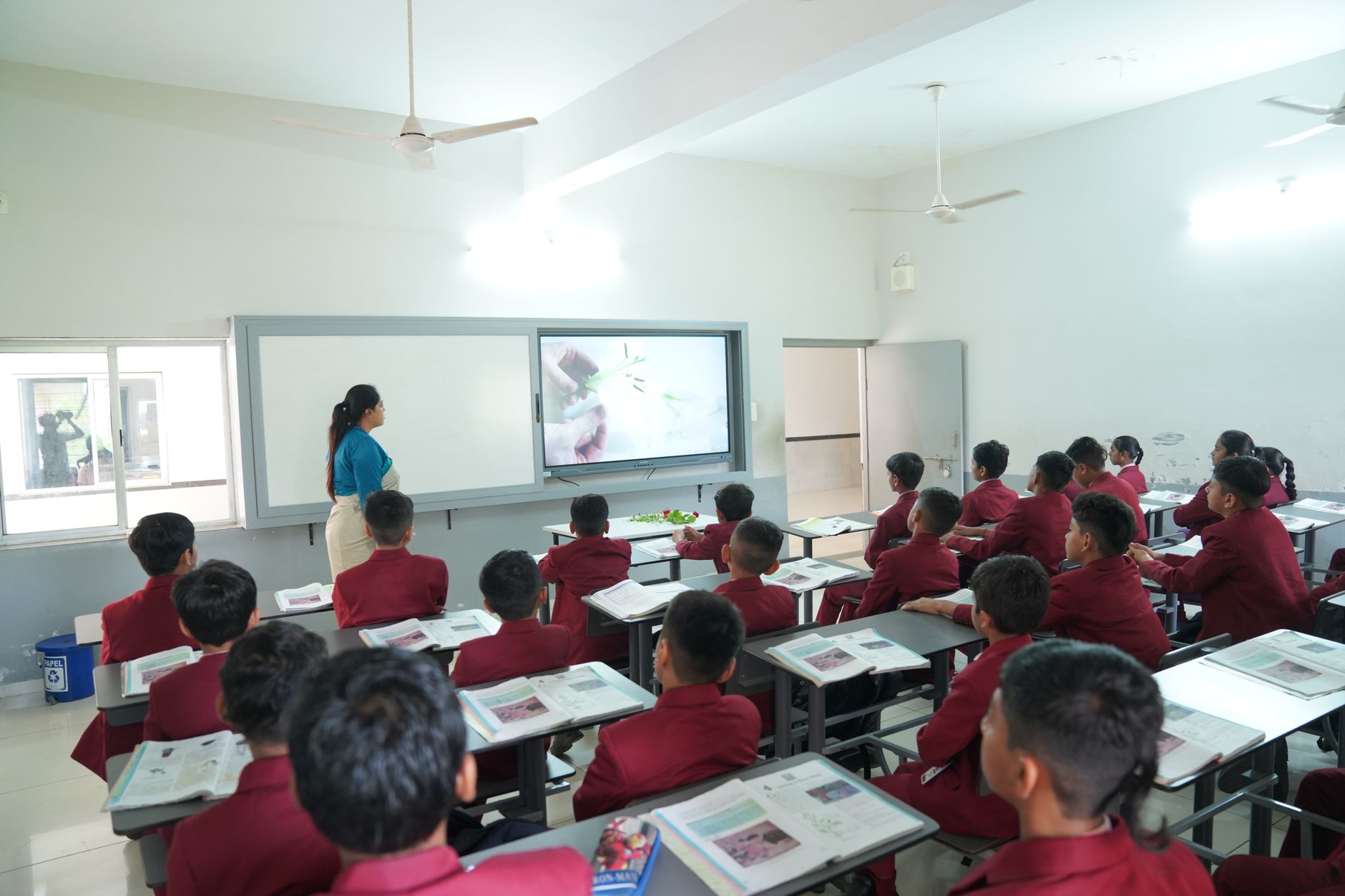
The expansion has made medical education more accessible to students from diverse socioeconomic backgrounds. With more seats available, the competition ratio, while still intense, has improved compared to previous years. More students can now pursue their dream of becoming doctors without having to seek education abroad or settle for alternative careers.
The increased availability of government medical college seats is particularly significant, as these institutions offer subsidized education compared to private colleges. This democratization of medical education allows talented students from middle-class and economically weaker sections to access quality medical training without incurring substantial debt.
For students in smaller cities and towns, the establishment of medical colleges in their regions reduces the need for relocation to major metros, lowering the overall cost of education and keeping families together during the challenging years of medical training.
Addressing the Doctor-Population Ratio
India has historically struggled with an inadequate doctor-to-population ratio. According to WHO recommendations, there should be approximately one doctor for every 1,000 people. India's ratio has been significantly below this benchmark, contributing to overburdened healthcare systems and inadequate medical care in rural and remote areas.
By producing more medical graduates annually, the country is gradually working toward improving this ratio. The increased output of doctors is expected to strengthen the healthcare workforce, though challenges remain in ensuring these doctors are distributed equitably across urban and rural areas.
Challenges and Quality Concerns
While the quantitative expansion is commendable, maintaining quality standards remains a critical concern. The Medical Council of India (now National Medical Commission) has established stringent guidelines for faculty-student ratios, infrastructure requirements, and clinical training facilities. However, ensuring all new colleges meet these standards consistently requires robust monitoring and enforcement.
Faculty shortage poses another challenge. Medical education requires experienced doctors to serve as teachers, and the rapid expansion has created demand that outpaces supply. Some institutions struggle to maintain the required faculty strength, potentially impacting teaching quality.
The availability of adequate clinical material for training is also crucial. Medical students need exposure to diverse cases during their training period, which requires well-equipped hospitals with sufficient patient inflow.
Looking Ahead
The expansion of medical education infrastructure represents a positive step toward building a healthier India. As these new colleges mature and produce graduates, the impact on healthcare delivery should become increasingly evident. Continued focus on quality assurance, faculty development, and equitable distribution of medical professionals will be essential to maximize the benefits of this expansion for India's healthcare system and aspiring medical professionals alike.