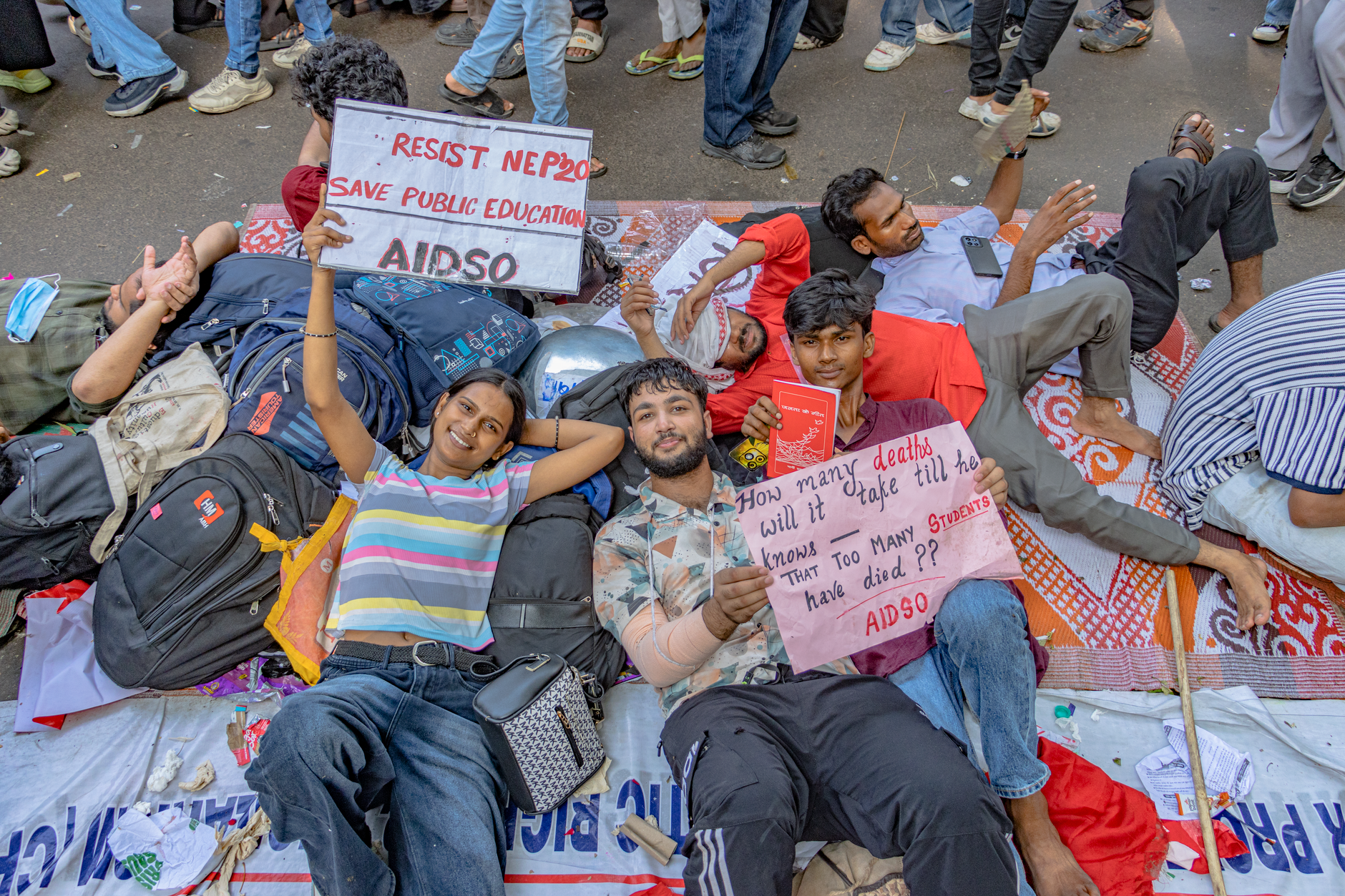
India has witnessed a surge in student-led protests across major cities in recent months, with young people voicing frustration over various aspects of the education system and their future prospects. These demonstrations reflect deeper anxieties about competitive examinations, job security, and the quality of higher education in the world's most populous nation.
The Core Issues Driving Student Anger
The current wave of protests stems from multiple interconnected concerns affecting India's youth population. Competitive entrance examinations remain at the heart of many grievances, with students demanding transparency and fairness in testing systems that determine admission to prestigious institutions and government jobs.
Recent controversies surrounding exam paper leaks, irregularities in results, and alleged corruption in the examination process have eroded trust among students. The highly competitive nature of exams like NEET for medical colleges and various civil services examinations creates immense pressure, with millions of aspirants competing for limited seats.
Young protesters are also highlighting the disconnect between educational curricula and employment opportunities. Despite obtaining degrees, many graduates struggle to find jobs matching their qualifications, leading to widespread underemployment and frustration with the system.
Government Job Security Concerns
A significant portion of youth protests centers on changes to government recruitment schemes. The introduction of short-term contractual positions in place of permanent government jobs has sparked particular outrage. Traditionally, government employment in India has been prized for its job security, pension benefits, and social status.
Students preparing for these positions, often investing years in coaching and preparation, feel betrayed when recruitment patterns change or hiring processes are delayed indefinitely. The economic uncertainty this creates affects not just individual aspirants but entire families who have invested resources in their children's exam preparation.
Regional Variations in Student Demands
The student movement isn't monolithic across India. Different states face unique educational challenges that fuel localized protests.
- In northern states, concerns about railway and defense recruitment reforms dominate
- In southern regions, language policies and entrance exam formats spark debate
- In eastern states, delays in recruitment notifications and exam irregularities are primary issues
- Urban centers see protests about university autonomy and campus governance
The Digital Age and Youth Mobilization
Social media has transformed how young Indians organize and amplify their voices. Platforms like Twitter, Instagram, and WhatsApp allow students to coordinate protests quickly, share information about exam irregularities, and build solidarity across geographic boundaries.
This digital connectivity means local grievances can rapidly become national movements. Hashtags related to exam reforms and student rights regularly trend, putting pressure on authorities to respond. However, this same connectivity sometimes leads to misinformation spreading quickly, complicating the protest landscape.
Economic Context Behind the Unrest
India's youth bulge represents both an opportunity and a challenge. With hundreds of millions under age 25, the country needs to create enormous numbers of quality jobs annually. When the economy doesn't generate sufficient employment opportunities, educated youth feel the pinch most acutely.
The COVID-19 pandemic exacerbated these challenges, disrupting education for two years and shrinking job markets. Many students lost crucial preparation time, faced online exam difficulties, and graduated into an uncertain economic environment.
What Students Are Demanding
Protesters are calling for several concrete reforms:
- Complete transparency in examination processes with real-time monitoring
- Timely notification and completion of recruitment cycles
- Restoration of permanent government positions with full benefits
- Better alignment between education curricula and industry needs
- Affordable coaching and preparation resources for economically disadvantaged students
- Mental health support systems for students facing exam pressure
- Consultation with student representatives before major policy changes
Government Responses and Ongoing Dialogue
Authorities have responded variably to student demands, sometimes announcing review committees, occasionally making concessions, and at times dismissing concerns. The challenge for policymakers lies in balancing fiscal constraints, administrative reforms, and legitimate student grievances.
Some states have rolled back controversial changes after sustained protests, while others maintain that reforms are necessary for modernization and efficiency. This uneven response pattern keeps tensions simmering even when specific protests wind down.
The Broader Implications
These student protests reflect fundamental questions about India's development model and social contract with its youth. As the country positions itself as a global economic power, ensuring its young population feels invested in that future becomes crucial.
The outcome of these movements will likely shape education and employment policies for years to come, determining whether India can successfully harness its demographic dividend or face prolonged social unrest from frustrated youth populations.