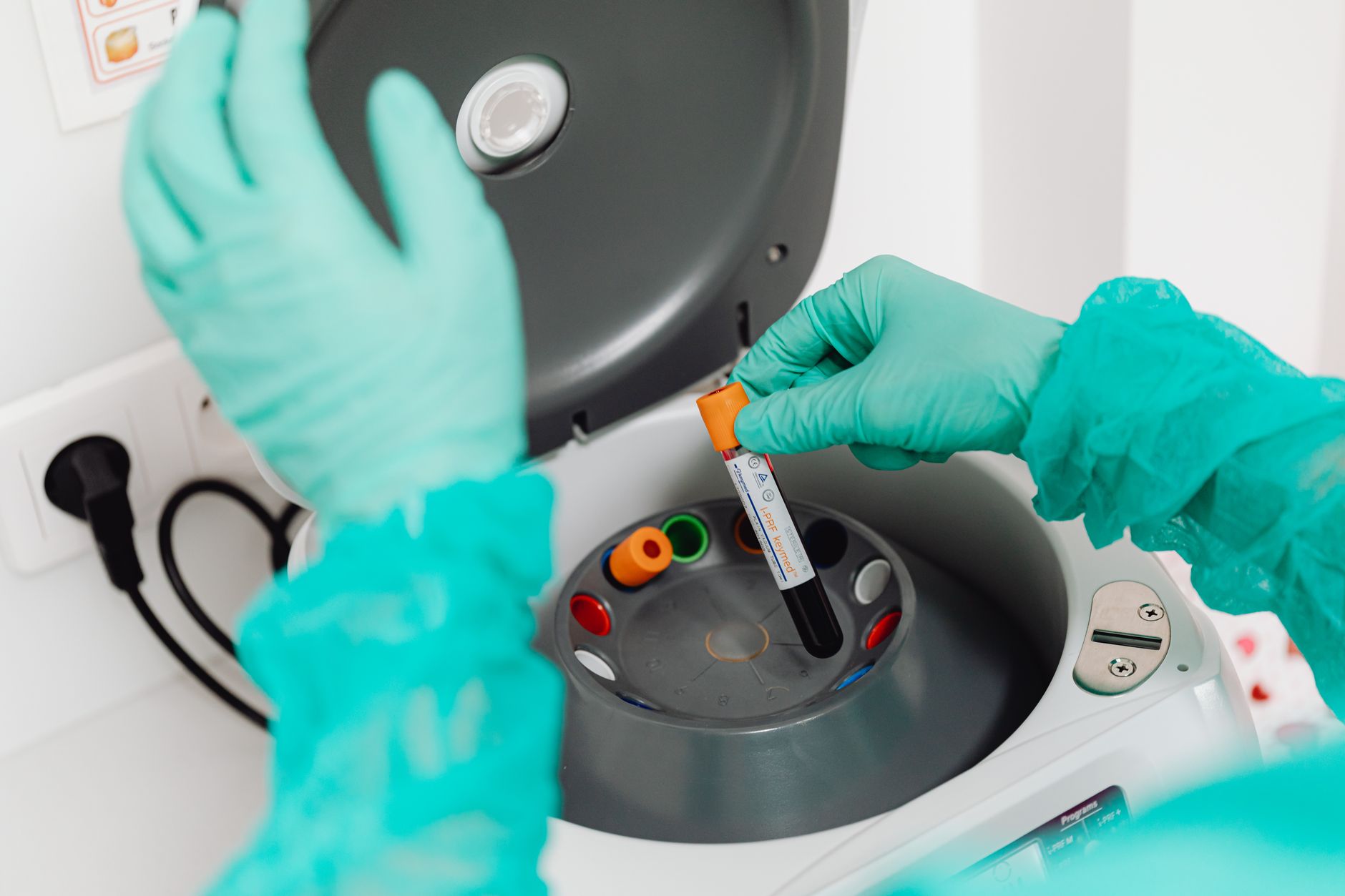
Indian healthcare has taken a significant leap forward with Dr Dang's Lab partnering with Guardant Health to bring an advanced blood-based multi-cancer detection test to the country. This collaboration marks a pivotal moment in cancer screening, offering patients a non-invasive alternative to traditional diagnostic methods that could dramatically improve early detection rates.
Understanding Blood-Based Cancer Detection
Blood-based cancer detection represents a revolutionary approach to identifying malignancies before symptoms appear. Unlike conventional methods that often require tissue biopsies, imaging scans, or invasive procedures, these tests analyze circulating tumor DNA (ctDNA) and other cancer biomarkers present in a simple blood sample. The technology works by detecting fragments of DNA shed by cancer cells into the bloodstream, allowing for the identification of multiple cancer types simultaneously.
The multi-cancer early detection (MCED) approach is particularly valuable because many cancers remain asymptomatic in their early stages, when treatment is most effective. By the time traditional screening methods identify certain cancers, they may have already progressed to advanced stages with limited treatment options.
Guardant Health's Technology
Guardant Health, a leader in precision oncology, has developed sophisticated liquid biopsy platforms that have gained recognition globally. Their tests utilize next-generation sequencing technology to analyze cell-free DNA in blood samples, detecting genomic alterations associated with various cancer types. The technology can potentially identify dozens of cancer types, including those for which routine screening methods are currently limited or unavailable.
The accuracy of such tests continues to improve as more data is collected and machine learning algorithms become more refined. These tests are designed to complement existing screening protocols rather than replace established methods like mammograms, colonoscopies, or PAP smears.
Implications for Indian Healthcare
India faces a substantial cancer burden, with over 1.4 million new cases diagnosed annually and limited screening infrastructure in many regions. Several factors make this partnership particularly significant for the Indian context:
- Geographic barriers often prevent regular access to specialized cancer screening facilities
- Many cancers are diagnosed at late stages due to lack of awareness and screening programs
- Non-invasive testing may increase screening compliance among populations hesitant about traditional procedures
- Blood-based tests can be conducted at multiple locations, improving accessibility
Dr Dang's Lab operates an extensive network across North India, making them well-positioned to distribute this technology to both urban and semi-urban populations. Their established infrastructure and reputation for quality diagnostics provide a reliable foundation for introducing advanced cancer screening.
Who Should Consider This Test
While the availability of multi-cancer detection tests is encouraging, they are typically recommended for specific populations. Generally, these tests are most appropriate for adults aged 50 and above who are at average or elevated risk for cancer. Individuals with family histories of cancer, those with known genetic predispositions, or people with lifestyle risk factors may particularly benefit from enhanced screening.
It is crucial to understand that these tests are screening tools, not diagnostic instruments. A positive result requires confirmation through additional testing, imaging, and potentially tissue biopsy. Similarly, a negative result does not guarantee the absence of cancer, and individuals should continue with recommended routine screenings.
The Broader Context of Cancer Care
This development fits into a larger trend of personalized medicine and precision oncology gaining ground in India. As healthcare technology advances, patients increasingly have access to tools that were previously available only in select international markets. The democratization of such technology could help address healthcare disparities and improve outcomes across socioeconomic groups.
The introduction of multi-cancer detection testing also raises important questions about healthcare policy, insurance coverage, and integration with existing screening programs. As these technologies become more widespread, healthcare systems will need to develop frameworks for interpreting results, managing follow-up care, and ensuring equitable access.
Looking Forward
The partnership between Dr Dang's Lab and Guardant Health represents more than just the introduction of a new test. It signals a shift toward proactive, technology-driven healthcare approaches in India. As blood-based cancer detection becomes more refined and accessible, it has the potential to catch cancers earlier, improve treatment outcomes, and ultimately save lives.
This article is for general informational purposes only and should not be considered medical advice. Individuals should consult with qualified healthcare professionals to determine appropriate cancer screening methods based on their personal health history, risk factors, and medical needs. Cancer screening decisions should be made in consultation with oncologists or primary care physicians who can provide personalized recommendations.