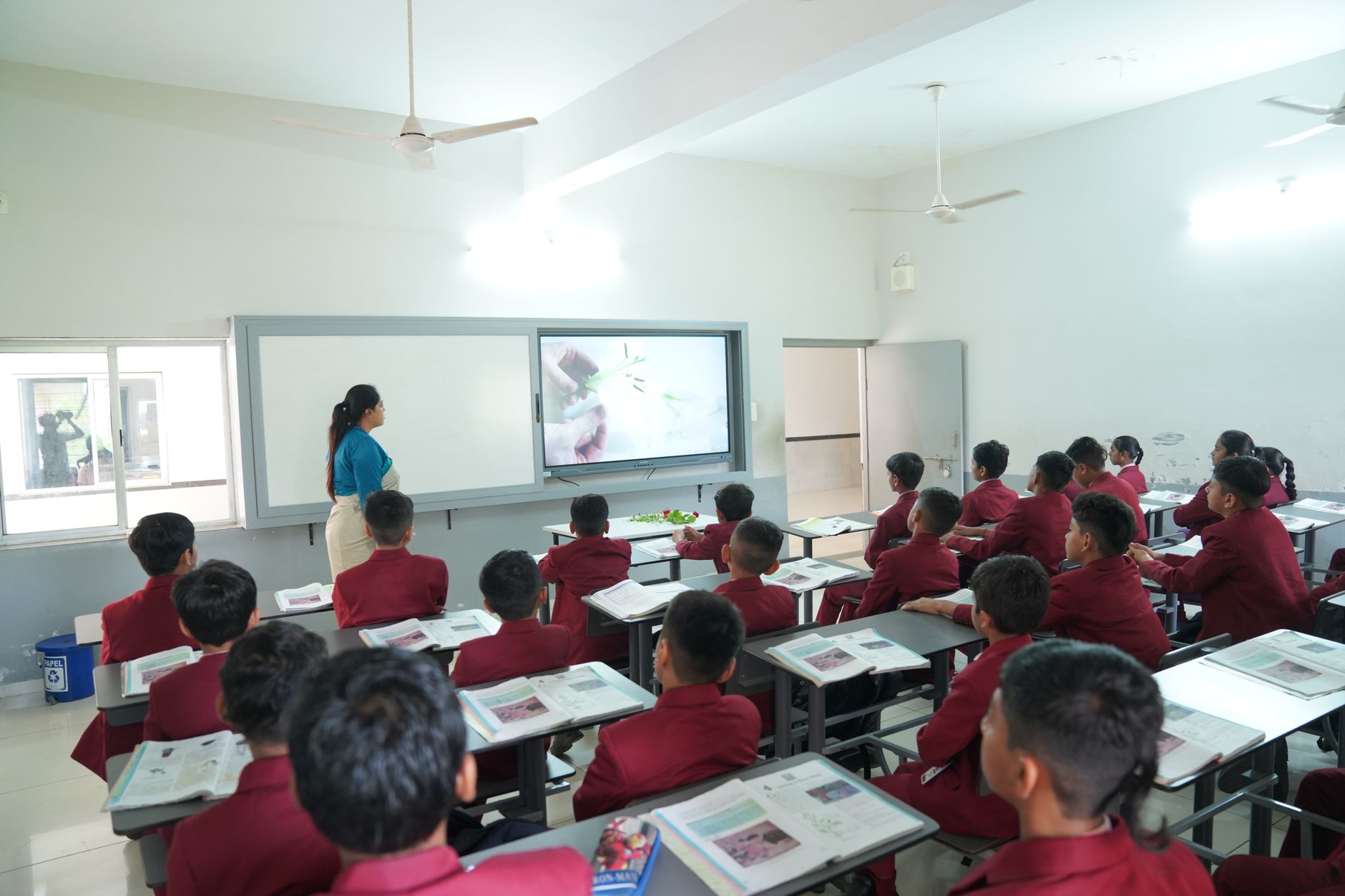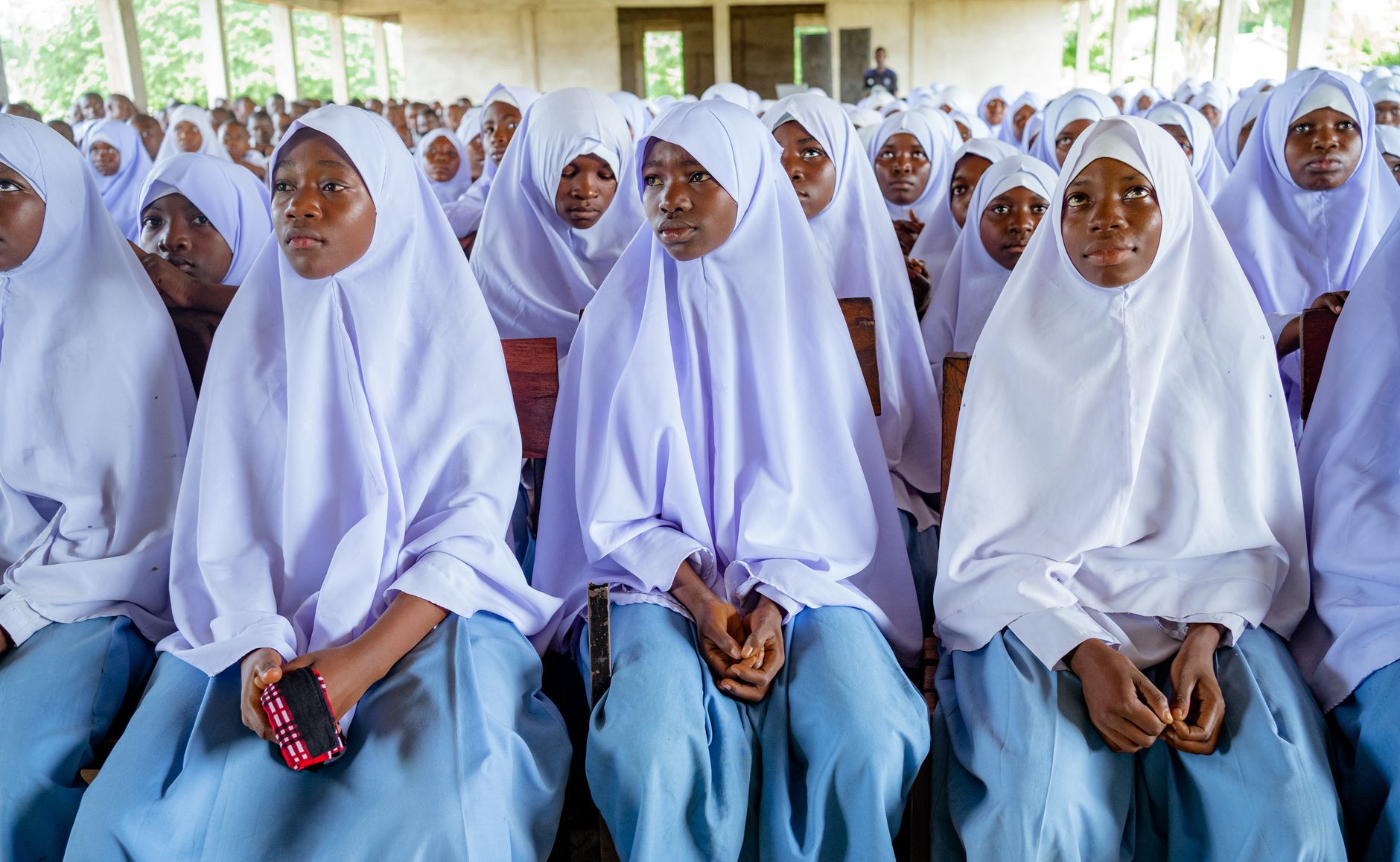
India's education landscape presents a paradox. Classrooms across the country are witnessing unprecedented enrollment numbers, with government initiatives like the Right to Education Act ensuring more children than ever before enter the school system. Yet beneath these encouraging statistics lies a troubling reality: eight out of every hundred girls still leave school before completing Class 10, revealing a persistent gap between access and completion.
The Enrollment vs Retention Gap
The swelling classroom numbers reflect successful first-mile efforts in getting children into schools. Mid-day meal schemes, free textbooks, and aggressive enrollment drives have indeed brought millions of children through school gates. However, keeping them there until they complete their secondary education remains a formidable challenge.
This gap between enrollment and retention points to systemic issues that enrollment figures alone cannot capture. A child's name on a school register does not guarantee regular attendance, meaningful learning, or ultimately, completion of their education.
Economic Pressures on Families
For many families, particularly in rural and economically weaker sections, the decision to withdraw a girl from school is driven by immediate economic needs. As children grow older, the opportunity cost of their education increases. Girls are often expected to contribute to household work, care for younger siblings, or supplement family income through informal work.
The transition from primary to secondary school coincides with adolescence, when girls become seen as more valuable for domestic labour or as potential contributors to family income through early marriage. Despite legal protections, child marriage remains a reality in many communities, often preceded by school dropout.
Safety and Infrastructure Barriers
The journey to school becomes more challenging as girls progress to higher classes. Secondary schools are frequently located farther from homes than primary schools, requiring longer commutes through areas that may lack safe transportation or well-lit pathways. Parents, concerned about their daughters' safety, sometimes make the difficult choice to keep them home.
Inadequate sanitation facilities in schools pose another significant barrier. The absence of functional, private toilets affects girls disproportionately, especially after they reach puberty. Many schools still lack basic menstrual hygiene facilities, making regular attendance difficult during certain days of the month.
Social and Cultural Factors
Deep-rooted beliefs about gender roles continue to influence educational decisions in many households. When resources are limited, families may prioritize boys' education, viewing it as a better investment since sons are expected to support parents in old age while daughters will join another household after marriage.
Some communities still harbour reservations about educating girls beyond a certain age, particularly if it means interacting with male teachers or male students in co-educational settings. These social pressures can intensify as girls reach adolescence.
Quality of Education Concerns
Beyond access, the quality of education also plays a crucial role in retention. When students struggle academically without adequate support, continuing school becomes increasingly difficult. Teacher absenteeism, large class sizes, and teaching methods that fail to engage students contribute to a sense of futility about education.
Girls who fall behind in learning may face additional pressure to leave school, especially if their education is not strongly valued by their family or community. The lack of female teachers and role models in schools can further discourage girls from persisting with their studies.
Regional Disparities
Dropout rates vary significantly across states and regions. While some states have made remarkable progress in improving girl child retention, others continue to lag behind. Rural-urban divides remain stark, with rural areas consistently showing higher dropout rates.
Tribal and marginalized communities face compounded challenges, where poverty, geographic isolation, and social marginalization intersect to create particularly high barriers to educational completion.
The Way Forward
Addressing this retention crisis requires moving beyond enrollment drives to comprehensive support systems. This includes improving school infrastructure, ensuring safe transportation, training teachers in gender-sensitive pedagogy, and creating awareness programs that challenge regressive social norms.
Financial incentives for families keeping girls in school, mentorship programs, and community engagement initiatives have shown promise in various pilot projects. Bridging the quality gap in education and making learning more relevant and engaging can also help reduce dropouts.
The goal cannot simply be full classrooms but rather classrooms where every child, regardless of gender, receives quality education and remains enrolled until completing their secondary education. Only then will enrollment statistics translate into genuine educational empowerment.