Freedom Park in Bengaluru has transformed into more than just a green space in the heart of the city. It has become a gathering point for Generation Z—those born roughly between 1997 and 2012—who are increasingly taking ownership of conversations about India's direction, particularly around education and social reform.
The Changing Face of Youth Activism
Unlike previous generations who primarily relied on traditional institutions and hierarchical structures, Gen Z is leveraging public spaces to create horizontal, democratic forums for discussion. Freedom Park, with its historical significance as a former central jail turned protest venue, provides the perfect symbolic backdrop for young people to voice concerns about educational inequality, employment prospects, and systemic reforms.
These gatherings are not chaotic protests but rather thoughtful assemblies where young people engage in structured debates, art installations, poetry readings, and collaborative workshops. The "zen moment" referenced in recent observations speaks to the peaceful yet purposeful nature of these interactions—a stark contrast to the sometimes confrontational activism of earlier decades.
Education at the Center of Gen Z Concerns
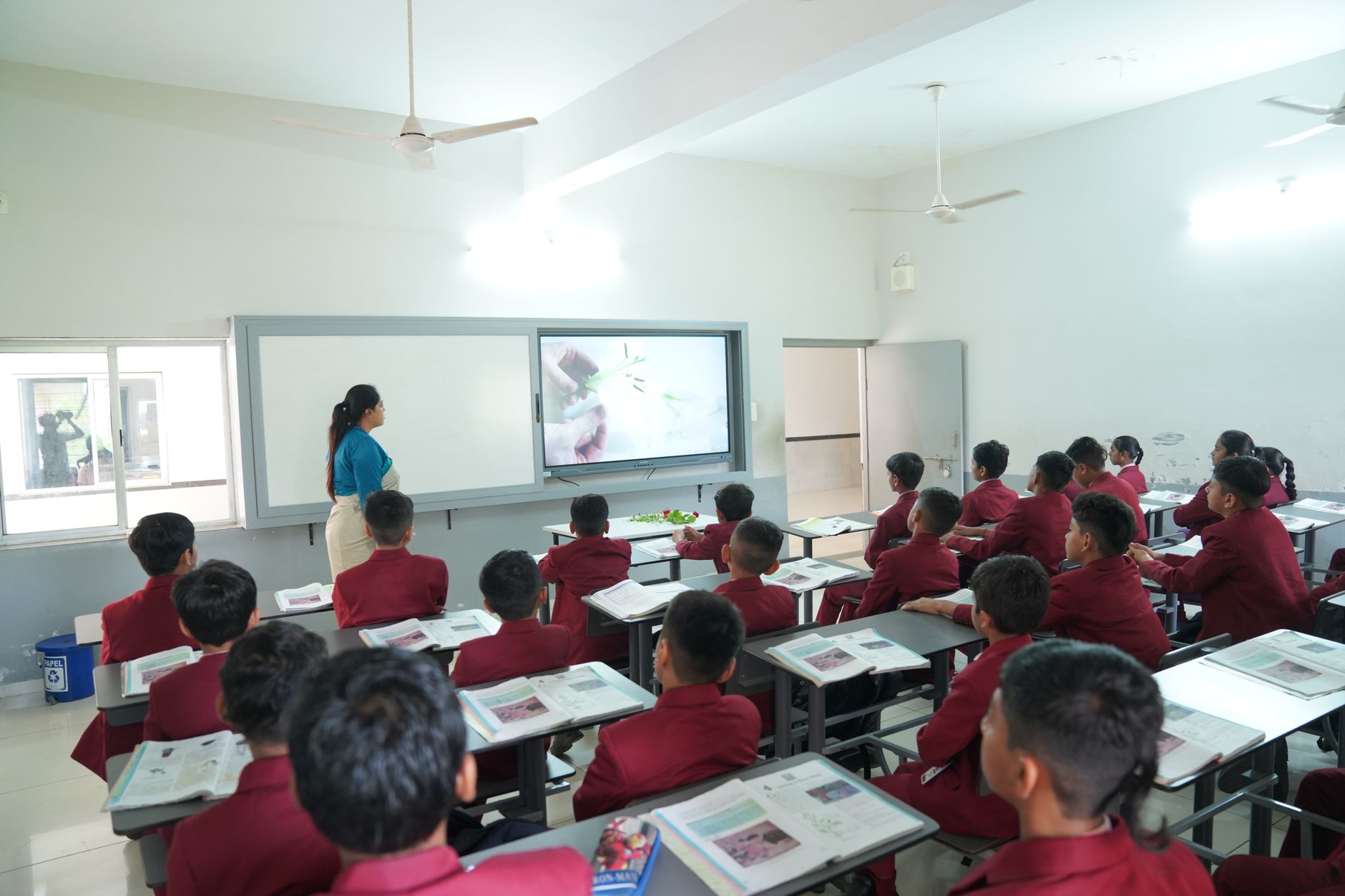
Education reform consistently emerges as a central theme in these youth gatherings. Gen Z students and recent graduates are articulating frustrations with an education system they view as outdated and ill-equipped to prepare them for the modern economy.
Key concerns include:
- The emphasis on rote learning over critical thinking and creativity
- Limited practical skill development despite years of formal education
- The mental health crisis among students facing intense academic pressure
- Lack of affordable quality education accessible to all socioeconomic groups
- Disconnect between curriculum content and industry requirements
Young people at these forums are not simply complaining—they are proposing solutions. Discussion circles often feature peer-to-peer learning initiatives, advocacy for curriculum reforms, and grassroots efforts to supplement formal education with skill-building workshops.
Technology as an Equalizer and Organizer
Gen Z's comfort with digital tools has fundamentally changed how they organize and disseminate information. Social media platforms help coordinate gatherings at Freedom Park, spread awareness about educational opportunities, and create virtual extensions of physical conversations.
This generation has witnessed technology democratize access to information in unprecedented ways. Free online courses, educational YouTube channels, and digital libraries have shown them that learning need not be confined to expensive institutions. This awareness fuels their push for systemic changes in how India approaches education and skill development.
The Intersection of Personal Growth and Social Responsibility
What makes the Freedom Park gatherings particularly noteworthy is how Gen Z seamlessly blends personal development with social consciousness. Meditation sessions, mental health awareness workshops, and career counseling occur alongside discussions about educational equity and social justice.
This holistic approach reflects Gen Z's understanding that individual success cannot be separated from collective progress. They recognize that India's future depends on creating systems that work for everyone, not just the privileged few.
Beyond Bengaluru: A National Movement
While Freedom Park serves as a focal point in Bengaluru, similar movements are emerging across India. University campuses, public parks, and community centers in cities from Mumbai to Kolkata are seeing young people create spaces for dialogue and action.
These gatherings often feature multilingual discussions, acknowledging India's diversity while seeking common ground on universal issues like quality education, employment opportunities, and environmental sustainability.
The Role of Public Spaces in Democracy
The reclamation of public spaces by Gen Z represents a broader assertion of democratic rights. In an era where much of life has moved online, the deliberate choice to occupy physical spaces sends a powerful message about visibility, community, and civic engagement.
Freedom Park's transformation into a hub for youth-led discussions demonstrates how public infrastructure can facilitate democratic participation when citizens actively claim these spaces for constructive purposes.
What This Means for India's Future
The peaceful, purposeful nature of Gen Z activism suggests a maturation of civic engagement in India. Rather than merely reacting to problems, young people are proactively building the frameworks they wish to see—alternative education models, mental health support networks, and inclusive community spaces.
Their emphasis on education reform is particularly significant. A generation that questions outdated systems and demands practical, inclusive, and mentally healthy learning environments is positioned to drive meaningful change in how India develops its human capital.
As Gen Z continues to assert their voice in public forums like Freedom Park, they are not just reclaiming India's future—they are actively constructing it through dialogue, collaboration, and community building. Their zen approach—purposeful yet peaceful, determined yet inclusive—may well define the next chapter of Indian civil society and educational reform.