India's Generation Z has emerged as a formidable force in shaping education policy debates, demonstrating a unique blend of digital savviness, statistical literacy, and traditional grassroots organizing. Recent protests led primarily by students and young professionals have caught the attention of policymakers and social observers alike, revealing a generation that approaches activism with both analytical rigor and emotional resonance.
The New Face of Student Activism
Unlike previous generations of student protesters in India, today's Gen Z activists arrive at demonstrations armed with data visualizations, fact-checked statistics, and well-researched position papers. This generation, having grown up with smartphones and instant access to information, has fundamentally altered how protests are organized and arguments are framed. They livestream proceedings, create viral infographics explaining complex policy issues, and use social media algorithms to amplify their messages beyond traditional media coverage.
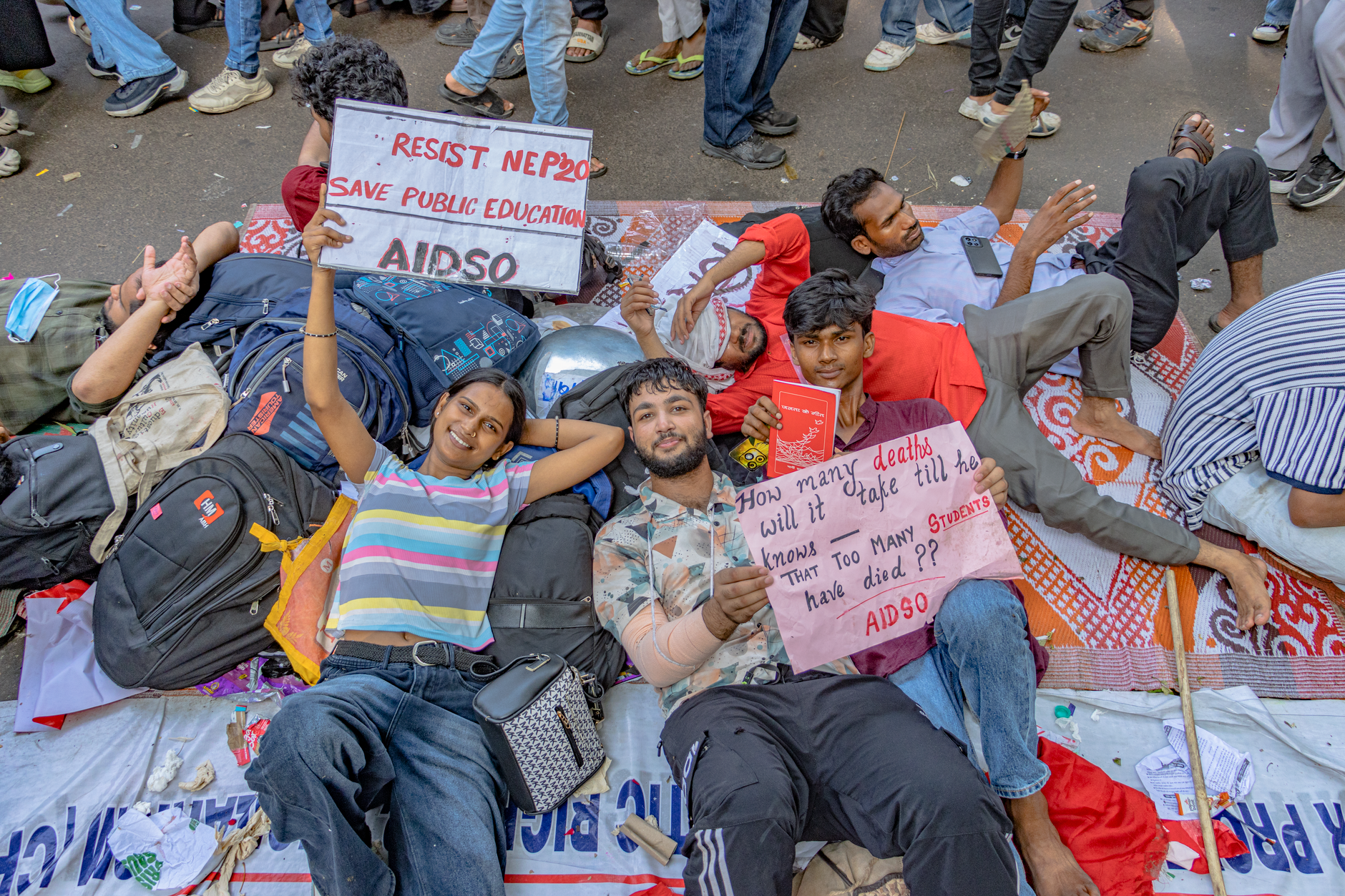
The education-focused protests have centered on various issues including examination reforms, admission policies, fee structures, and curriculum changes. What distinguishes these movements is not just their demands but their methodology. Protesters compile government data, conduct independent surveys, and present evidence-based arguments that make it difficult for authorities to dismiss their concerns as uninformed youth rebellion.
Data Meets Determination
The phrase "cold stats, warm spirits" encapsulates the dual nature of this activism. Young protesters present hard numbers about dropout rates, unemployment among graduates, mental health statistics, and comparative education metrics from other countries. Simultaneously, they maintain the passionate, human element of protest through personal testimonies, creative performances, and solidarity-building exercises that keep morale high and participants engaged.
This approach has proven particularly effective in an era where misinformation is rampant. By grounding their demands in verifiable data, Gen Z activists have built credibility with neutral observers and made it harder for opponents to dismiss their concerns. They create detailed dossiers on policy impacts, trace the chain of decision-making in educational bureaucracies, and often know the relevant statistics better than the officials they're challenging.
Digital Organization, Physical Presence
While much of the organizing happens online through WhatsApp groups, Instagram stories, and Twitter threads, Gen Z protesters understand the irreplaceable value of physical presence. They have mastered the art of creating visually compelling protest sites that photograph well for social media while maintaining the traditional Indian protest culture of sit-ins, marches, and public meetings.
The intergenerational aspect of these protests is also noteworthy. Gen Z organizers have successfully brought together students from different educational streams, socioeconomic backgrounds, and geographic regions. They've also earned support from older generations of activists who recognize the sophistication of their methods, even if the tools differ from those used in past movements.
Impact on Policy and Discourse
These protests have already influenced several education policy discussions at state and national levels. Universities have reconsidered examination patterns, governments have extended deadlines for implementations, and most importantly, young people have been included in consultation processes that previously excluded student voices.
The movement has also sparked broader conversations about what education should achieve in contemporary India. Questions about rote learning versus critical thinking, the relevance of curricula to job markets, and the mental health costs of competitive examination systems have moved from academic journals to mainstream debate, largely due to the persistent advocacy of Gen Z protesters.
Challenges and Sustainability
Despite their successes, these movements face challenges. Sustaining momentum beyond viral moments remains difficult. Converting online solidarity into long-term organizational structures requires resources and experience that young activists are still building. There are also ongoing debates within the movement about inclusivity, with concerns that English-language digital activism may inadvertently exclude students from vernacular medium institutions.
A Template for Future Activism
What makes these protests significant beyond their immediate demands is the template they're creating for future civic engagement. By demonstrating that it's possible to be both analytical and passionate, data-driven and emotionally intelligent, Gen Z is redefining what effective protest looks like in 21st century India.
The movement suggests that India's youth are not disengaged or apathetic but rather waiting for causes that resonate with their values and equipped with tools their predecessors never had. As this generation enters the workforce and assumes greater civic responsibilities, the methods they're refining now may well shape Indian democracy's evolution in the coming decades.