Corporate Social Responsibility has emerged as a powerful force in addressing India's educational disparities, particularly in rural areas where infrastructure and resources remain significantly limited. The collaboration between companies and grassroots organizations demonstrates how strategic partnerships can create lasting impact in communities that need it most.
The Rural Education Challenge in India
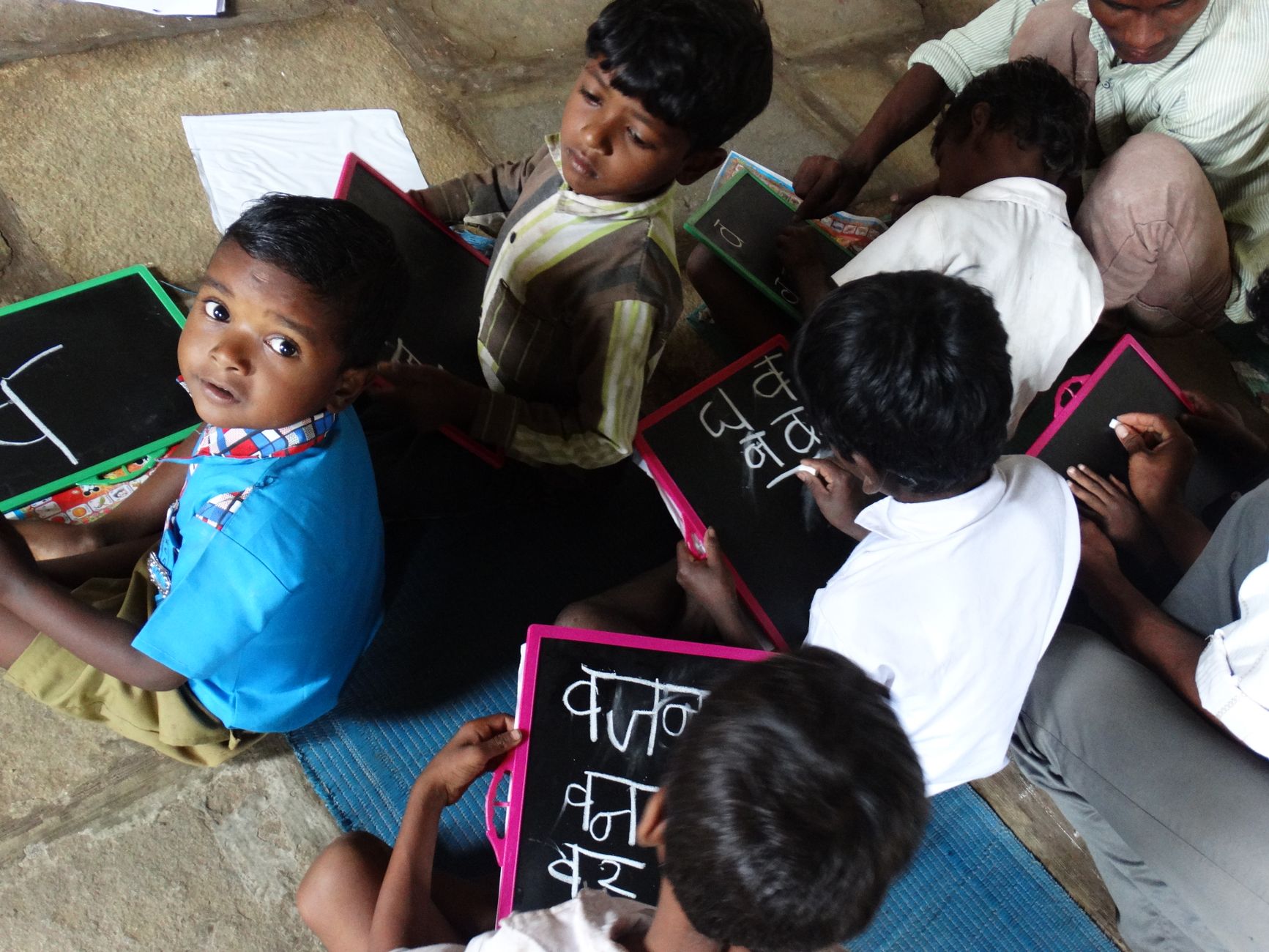
India's rural education system continues to face multiple challenges despite government efforts and policy interventions. Approximately 65 percent of India's population resides in rural areas, yet these regions often lack basic educational infrastructure, qualified teachers, digital resources, and adequate learning materials. Schools in remote villages frequently operate with insufficient classrooms, limited electricity, poor sanitation facilities, and minimal access to modern teaching aids.
The dropout rate in rural schools remains a concern, with students leaving education due to economic pressures, lack of quality teaching, and limited opportunities for skill development. Girls, in particular, face additional barriers including safety concerns and cultural practices that prioritize household responsibilities over education.
CSR as a Catalyst for Change
Following the 2013 amendment to the Companies Act, Indian companies with specified net worth or turnover are mandated to spend at least 2 percent of their average net profits on CSR activities. Education has consistently been among the top focus areas for corporate CSR spending, alongside healthcare, rural development, and environmental sustainability.
This regulatory framework has channeled significant resources toward educational initiatives, with companies increasingly recognizing that sustainable development depends on an educated, skilled population. Beyond mere compliance, many organizations view CSR as an opportunity to create meaningful social impact while building goodwill in the communities where they operate.
Key Components of Effective Educational CSR Programs
Successful CSR initiatives in rural education typically incorporate several essential elements:
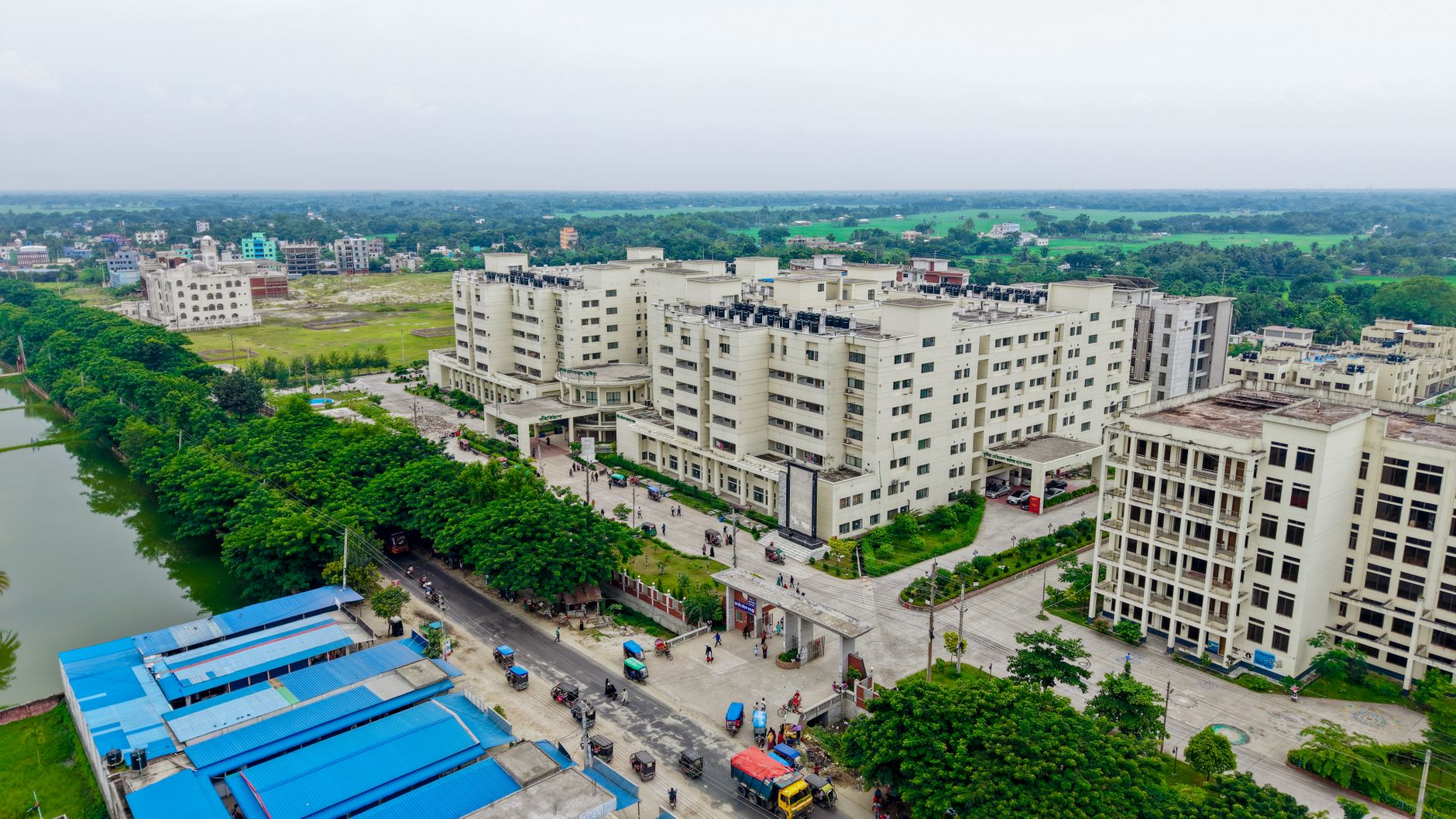
- Infrastructure development including construction or renovation of school buildings, classrooms, libraries, and sanitation facilities
- Provision of learning materials such as textbooks, notebooks, uniforms, and digital devices
- Teacher training programs to enhance pedagogy and introduce modern teaching methodologies
- Scholarship programs for economically disadvantaged students, particularly girls
- Mid-day meal programs to address nutritional needs and improve attendance
- Skill development workshops aligned with local employment opportunities
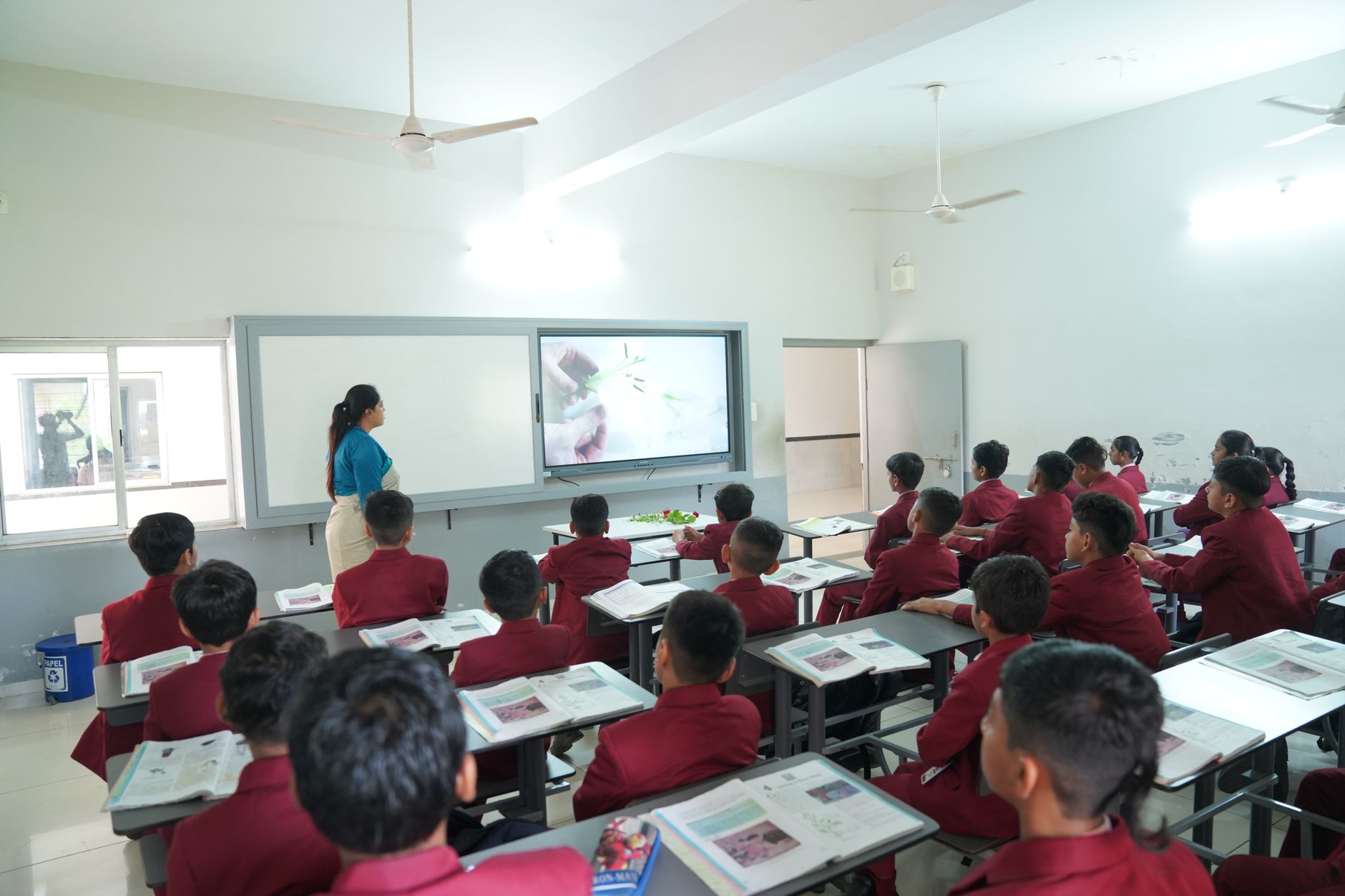
- Digital literacy initiatives bringing technology to remote classrooms
- Community engagement programs involving parents and local leaders
The Foundation Partnership Model
Collaborations between corporations and established foundations combine financial resources with on-ground expertise and community connections. Foundations that have worked extensively in rural areas understand local challenges, cultural sensitivities, and effective implementation strategies that corporations may lack.
These partnerships enable companies to leverage existing networks, ensure proper utilization of funds, and maintain sustained engagement beyond initial implementation. Foundations provide crucial monitoring, evaluation, and feedback mechanisms that help refine programs based on actual community needs rather than assumed requirements.
Measuring Impact Beyond Numbers
While quantitative metrics such as number of schools supported, students benefited, and infrastructure built provide important data points, the real impact of educational CSR programs extends deeper. Improved attendance rates, enhanced learning outcomes, increased enrollment of girls, reduced dropout rates, and greater community participation in school activities represent more meaningful indicators of success.
Long-term impact manifests in students pursuing higher education, securing employment, and breaking cycles of poverty. Communities with improved educational facilities often experience broader development including better health awareness, increased economic activity, and enhanced social cohesion.
Challenges in Implementation
Despite good intentions, CSR educational programs face several implementation challenges. Geographic remoteness can complicate logistics and increase costs. Ensuring program sustainability beyond initial funding requires careful planning and community ownership. Coordinating with government schools and education departments involves navigating bureaucratic processes. Measuring actual learning outcomes rather than just input metrics demands sophisticated evaluation frameworks.
Additionally, maintaining quality standards, preventing misuse of funds, and ensuring programs address genuine community needs rather than corporate visibility goals requires strong governance and transparency mechanisms.
The Way Forward
As more corporations recognize education as fundamental to national development, CSR initiatives must evolve from one-time interventions to long-term partnerships. Integrating vocational training with traditional education, focusing on STEM skills, addressing digital divides, and creating pathways to employment can enhance program effectiveness.
Collaborative approaches involving multiple stakeholders—corporations, foundations, government bodies, local communities, and educational institutions—can create comprehensive solutions that address systemic challenges rather than isolated problems. Technology, when thoughtfully deployed, can bridge geographic barriers and bring quality educational content to the remotest villages.
The transformation of rural education through CSR represents not just corporate obligation but a collective investment in India's future, creating opportunities for millions of children who deserve access to quality education regardless of their geographic or economic circumstances.