Corporate Social Responsibility has evolved from a mere regulatory compliance requirement to a powerful tool for social transformation in India. With companies now mandated to allocate a portion of their profits toward CSR activities, education has emerged as one of the most impactful focus areas, particularly in rural regions where traditional infrastructure and resources remain scarce.
The Growing Role of CSR in Indian Education
Since the Companies Act 2013 made CSR spending mandatory for qualifying companies, billions of rupees have flowed into social development projects across India. Education consistently ranks among the top priority areas, addressing critical gaps in infrastructure, learning materials, teacher training, and student support systems that government resources alone cannot fill.
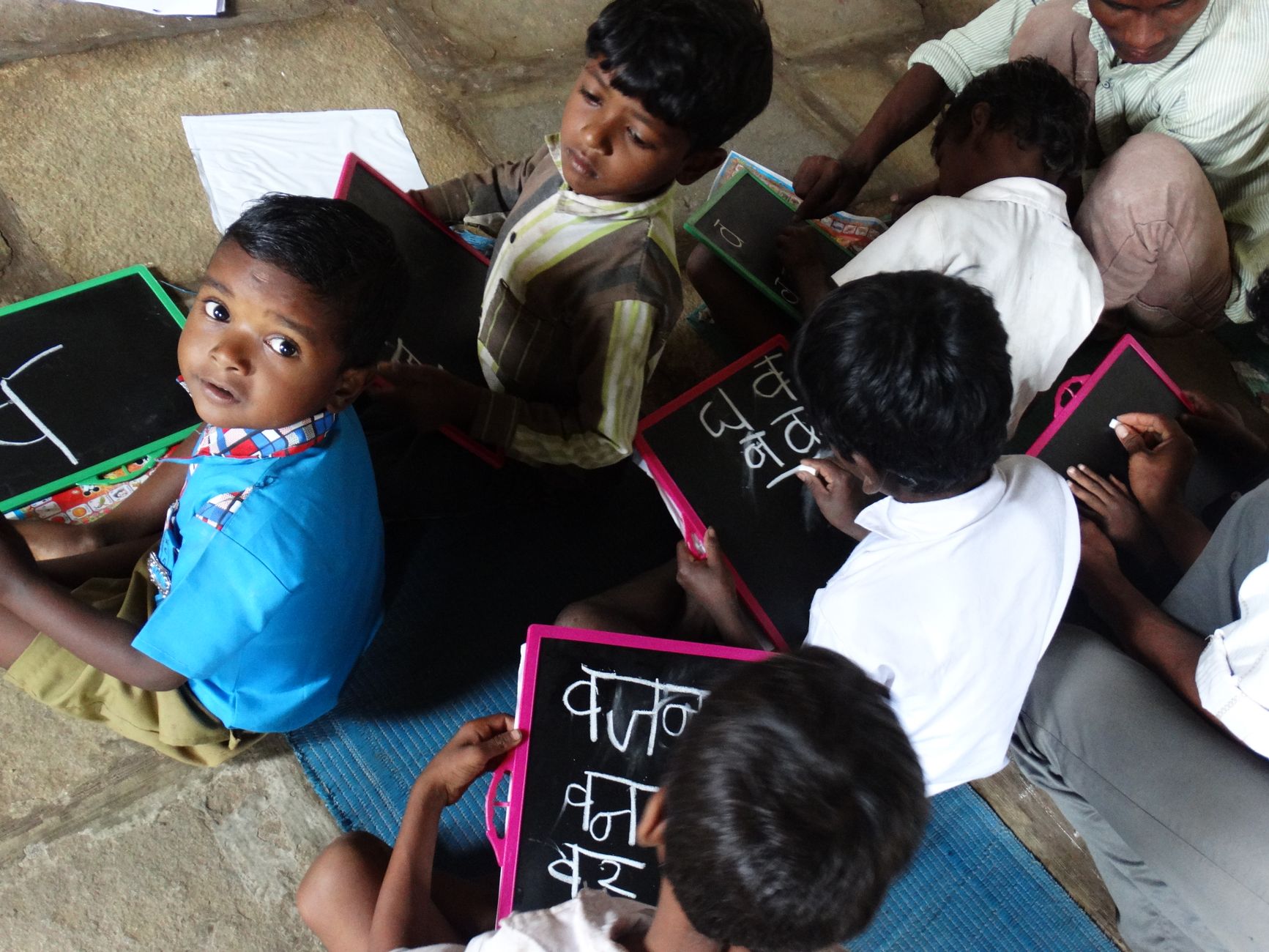
Rural schools face unique challenges that urban institutions rarely encounter. These include inadequate physical infrastructure, shortage of qualified teachers, lack of digital learning tools, high dropout rates, and limited access to supplementary educational resources. Corporate CSR initiatives have proven particularly effective in addressing these systemic issues through targeted interventions.
How Corporate-NGO Partnerships Create Impact
The collaboration model between corporations and grassroots foundations has become increasingly popular for implementing CSR education projects. This approach combines corporate financial resources and management expertise with the local knowledge and community trust that established foundations possess.
Such partnerships typically focus on several key areas:
- Infrastructure development including classroom construction, library establishment, and provision of basic amenities
- Digital literacy programs introducing computers and internet connectivity to remote schools
- Teacher training workshops enhancing pedagogical skills and subject knowledge
- Scholarship programs supporting economically disadvantaged students
- Supplementary learning materials including textbooks, stationery, and educational aids
- Health and nutrition initiatives recognizing that well-nourished children learn better
- Career guidance and skill development preparing students for future opportunities
The Ripple Effect on Rural Communities
When corporate CSR focuses on rural education, the benefits extend far beyond individual students. Improved schools become community pride points, encouraging parents to prioritize their children's education over early employment. Better-educated youth can break cycles of poverty, contribute to local economic development, and eventually support their own families more effectively.
Studies have shown that villages with strong educational institutions experience reduced migration to urban areas, as young people find opportunities to apply their knowledge locally. This helps preserve rural communities while elevating their overall quality of life.
Challenges in Implementing Rural Education CSR
Despite the positive outcomes, corporate education initiatives in rural areas face significant challenges. Geographic remoteness makes monitoring and evaluation difficult. Cultural barriers sometimes create resistance to new teaching methods or technologies. Sustainability remains a concern, as projects may falter when corporate funding cycles end.
Successful programs address these challenges through long-term commitment rather than one-time interventions. They involve local communities in planning and implementation, ensuring buy-in and continued support. Regular impact assessments help refine approaches based on actual outcomes rather than assumptions.
The Technology Integration Imperative
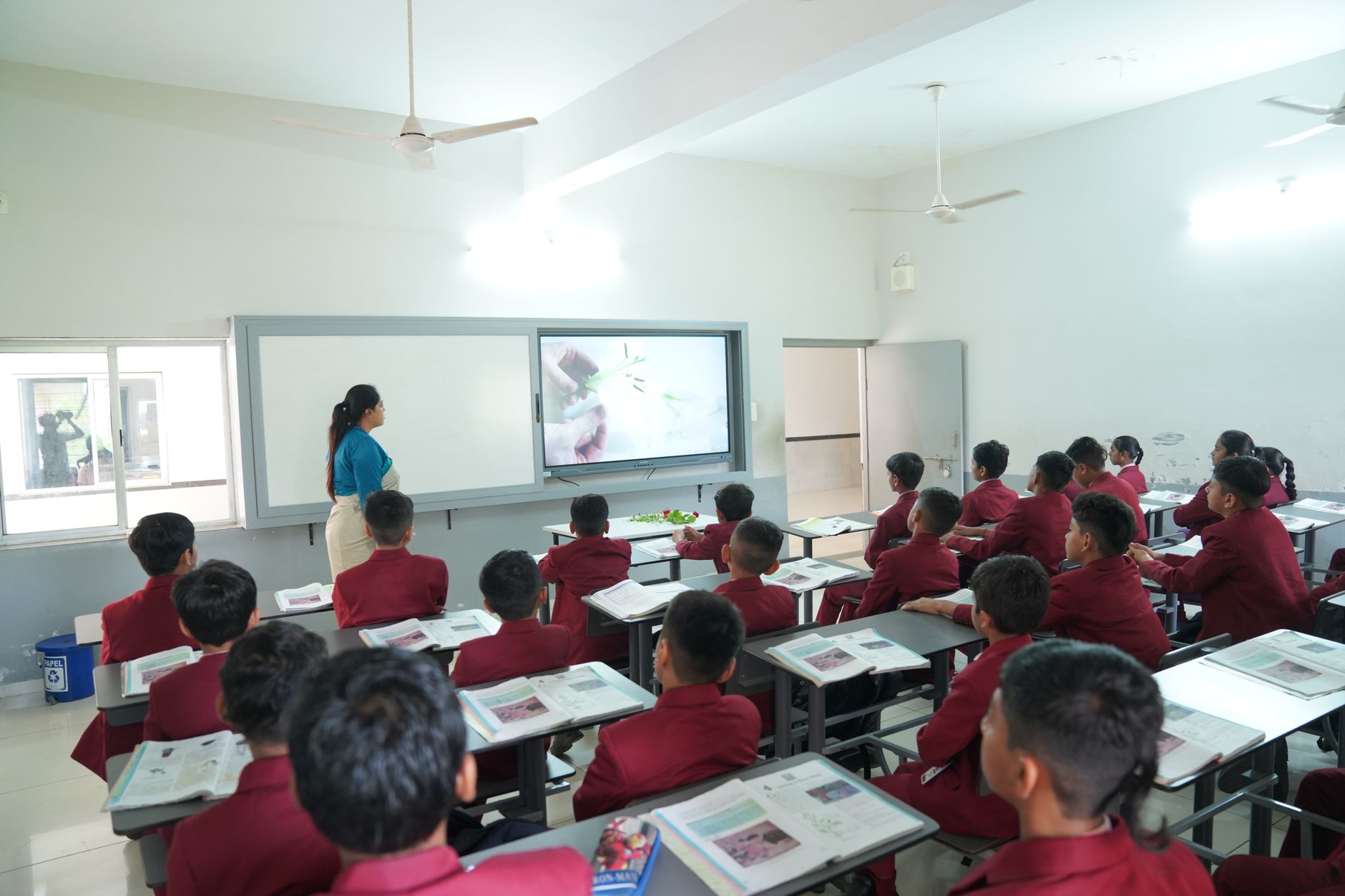
Digital learning has become central to modern CSR education initiatives. As India pushes toward a digital economy, ensuring rural students have access to technology and digital literacy skills prevents a widening urban-rural divide. Many corporate programs now include computer labs, internet connectivity, and training in basic digital skills alongside traditional educational support.
The COVID-19 pandemic highlighted the critical importance of this digital infrastructure, as schools moved online. Rural students without access to devices or connectivity faced severe disadvantages, making technology-focused CSR interventions more crucial than ever.
Measuring Success Beyond Numbers
While metrics like number of schools upgraded or students reached provide quantifiable data, the true impact of educational CSR initiatives appears in transformed lives. Success stories include first-generation learners reaching higher education, girls continuing school instead of facing early marriage, and entire communities recognizing education's value.
Forward-thinking companies now employ comprehensive evaluation frameworks that track not just immediate outputs but long-term outcomes like enrollment rates, examination performance, higher education admission, and employment success of beneficiary students.
The Future of Educational CSR
As India aims to become a developed nation by 2047, bridging the educational divide between urban and rural areas becomes imperative. Corporate CSR initiatives will likely play an increasingly significant role in this transformation, particularly as companies recognize that investing in education creates future skilled workforces and consumer markets.
The most effective programs will continue to be those that combine corporate resources with grassroots expertise, maintain long-term commitment, embrace technology, and genuinely empower communities rather than simply delivering services to them.
This article is for general informational purposes only and does not constitute professional advice regarding CSR implementation or educational program development.