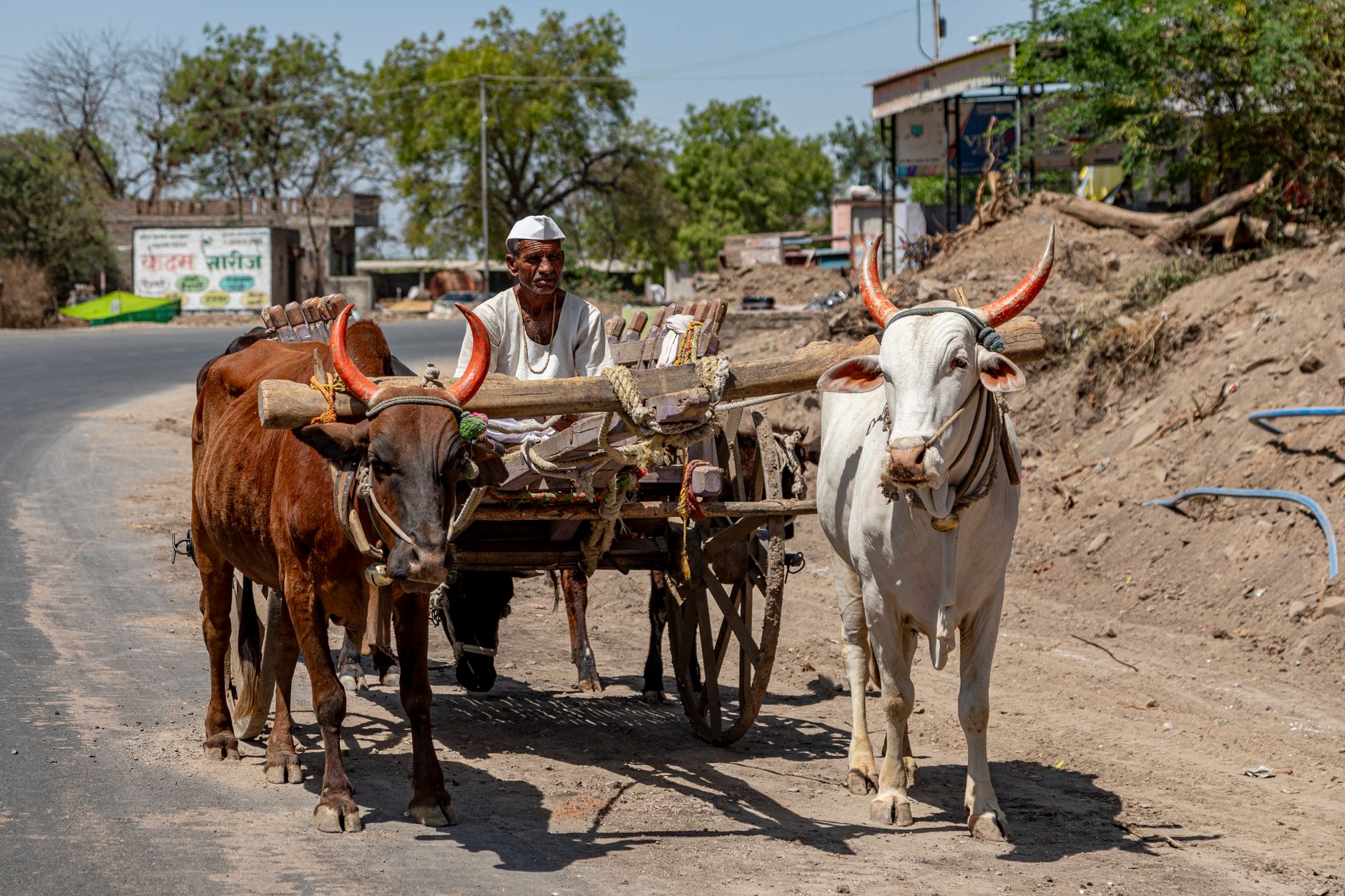
In the annals of India's technological evolution, few images capture the spirit of innovation meeting tradition quite like a bullock cart carrying a computer to a rural school. This extraordinary moment represents not just a logistical quirk, but a powerful metaphor for India's determination to bridge the digital divide during the early days of computer education in the country.
The Dawn of Computer Education in India
The 1980s marked a pivotal decade for India's technological aspirations. While urban centers were slowly warming up to the idea of computers in education, rural India remained largely disconnected from this revolution. The government's initiatives to democratize access to technology faced numerous infrastructure challenges, from lack of proper roads to absence of reliable electricity supply in remote areas.
The introduction of computers in educational institutions was part of a broader vision to prepare Indian students for a future where digital literacy would become essential. However, the path from policy to implementation was fraught with practical obstacles that required creative solutions and unwavering commitment from educators and administrators alike.
When Infrastructure Meets Innovation
The journey of that first educational computer on a bullock cart tells a story of resourcefulness. In regions where paved roads were scarce and motorized transport unreliable or unavailable, the humble bullock cart emerged as the unlikely hero. This traditional mode of transportation, which had served Indian villages for centuries in carrying grain, household goods, and agricultural produce, was now entrusted with precious cargo that represented the future.
The technical challenges were considerable. Computers of that era were delicate machines, sensitive to dust, moisture, and physical shocks. Transporting them over unpaved rural roads required careful padding, protective covering, and slow, steady progress. The bullock cart, with its naturally shock-absorbing wooden construction and measured pace, proved surprisingly suitable for the task.
Overcoming the Last-Mile Challenge
The last-mile connectivity problem in rural India extended beyond telecommunications and internet access. It encompassed the physical delivery of educational infrastructure to remote locations. Schools in villages often lacked basic amenities, yet were being tasked with introducing students to cutting-edge technology.
Local communities often rallied around these initiatives. Teachers, panchayat members, and village elders would coordinate to ensure safe delivery of equipment. The arrival of a computer became a community event, with children and adults gathering to witness this marvel of modern technology making its way into their midst.
Symbolism Beyond Transportation
The image of a computer on a bullock cart transcends its practical aspects. It represents India's unique developmental journey, where ancient and modern coexist, and where progress doesn't necessarily mean abandoning traditional methods but rather adapting them to contemporary needs.
This juxtaposition highlighted several realities of India's educational landscape. First, it demonstrated that the desire for technological advancement existed even in the most remote corners of the country. Second, it showed that infrastructure limitations, while challenging, need not be insurmountable barriers. Third, it emphasized the need for context-appropriate solutions rather than one-size-fits-all approaches.
Impact on Rural Education
The arrival of computers in rural schools, however they reached there, had transformative effects. Students who had never seen a keyboard suddenly had access to a tool that could open windows to knowledge far beyond their immediate environment. Teachers, often trained hastily in basic computer operations, became pioneers in digital education.
These early computers, whether they arrived by bullock cart, rickshaw, or eventually by truck, laid the foundation for today's digital India initiatives. They proved that rural students were just as capable and eager to learn technology as their urban counterparts, given the opportunity.
Lessons for Modern Infrastructure Development
The bullock cart computer story offers relevant lessons for contemporary development challenges. It reminds us that innovation isn't always about having the latest technology or perfect infrastructure. Sometimes it's about making the best use of available resources and maintaining focus on the end goal—in this case, bringing educational opportunities to underserved communities.
As India continues its journey toward universal digital literacy and improved educational access, this historic moment serves as a reminder of how far the nation has come and the innovative spirit that drove progress even in the face of significant obstacles.
The contrast between the ancient bullock cart and the modern computer remains one of India's most enduring images of development—a testament to the country's ability to honor its past while embracing its future.