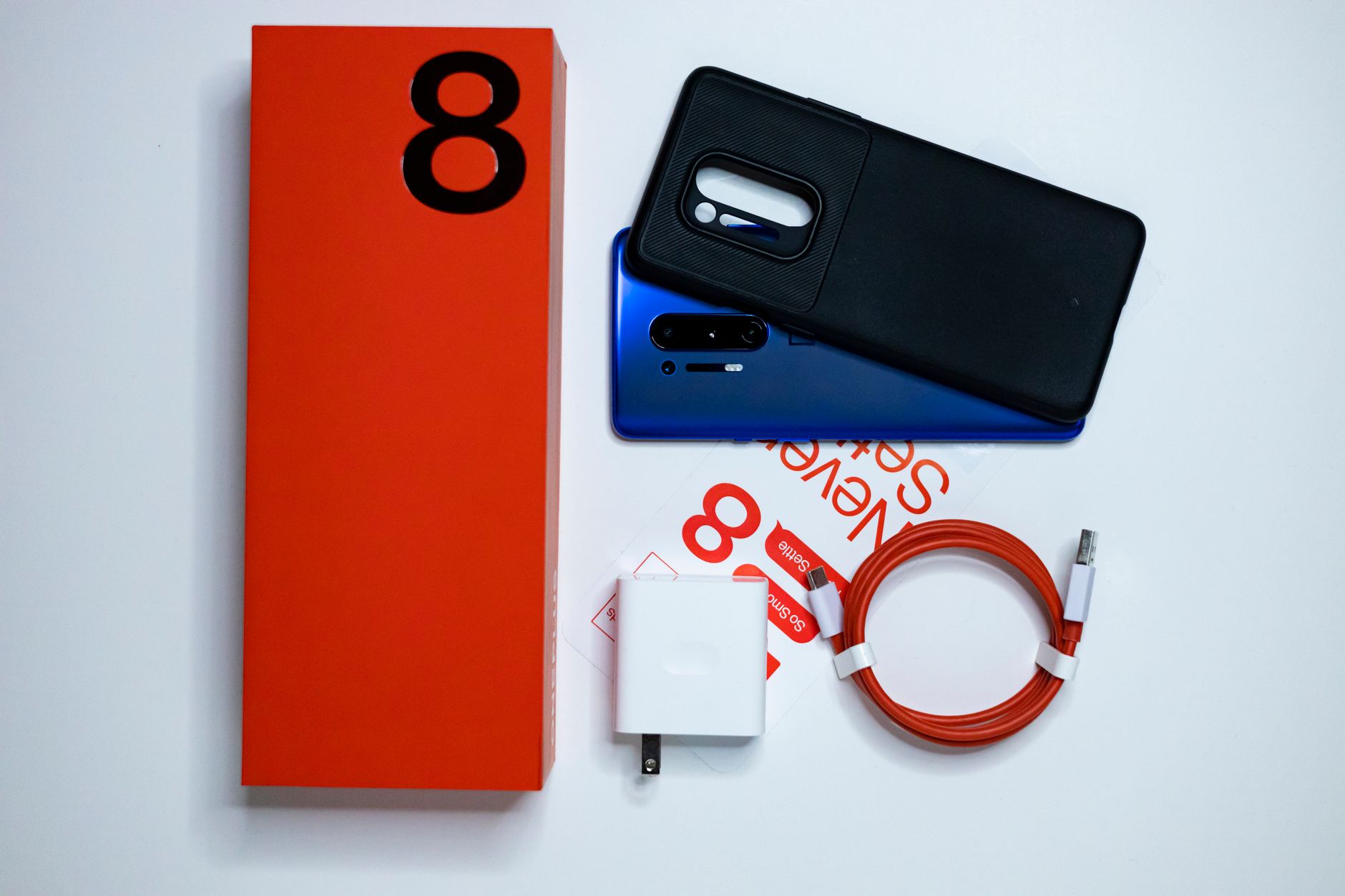
OnePlus began its journey in 2013 with a bold promise: deliver flagship smartphone specifications at mid-range prices. The brand quickly gained a cult following among tech enthusiasts who appreciated premium features without premium pricing. However, over the past decade, OnePlus has undergone a significant transformation that reflects broader lessons about business evolution and market positioning.
The Flagship Killer Era
OnePlus initially disrupted the smartphone market with an unconventional approach. The company employed an invite-only sales system, creating artificial scarcity and buzz around its products. The OnePlus One launched at approximately Rs 22,000 while offering specifications comparable to devices costing twice as much. This aggressive pricing strategy challenged established players and forced the entire industry to reconsider value propositions.
The early success demonstrated how challenger brands could leverage online-only distribution, minimal marketing costs, and direct customer engagement to compete against giants. For investors, this period illustrated the power of disruptive business models in mature markets.
The Gradual Price Creep
As OnePlus matured, its pricing strategy evolved dramatically. Each successive flagship release carried a higher price tag. The OnePlus 7 Pro crossed Rs 50,000, while recent flagship models approach or exceed Rs 60,000. This gradual upward migration represented a fundamental shift in company strategy.
Several factors drove this transition. Component costs increased as OnePlus added premium features like high refresh rate displays, advanced camera systems, and faster charging technology. Additionally, the company invested heavily in offline retail presence, customer service infrastructure, and traditional marketing channels. These investments required higher margins to maintain profitability.
The Oppo Integration
A crucial turning point came with OnePlus's deeper integration with parent company Oppo. The two brands began sharing research and development resources, manufacturing facilities, and even software codebases. OxygenOS, OnePlus's once-distinctive Android skin, merged with Oppo's ColorOS in many markets.
This integration brought efficiency and cost savings but diluted OnePlus's unique identity. The brand that once stood for stock Android experience and enthusiast-focused features became more mainstream and corporate. Long-time fans expressed disappointment, yet this consolidation made business sense from an operational perspective.
Diversification and Market Expansion
OnePlus settled into its current position by diversifying across price segments. The company now offers:
- Flagship devices competing directly with Samsung and Apple premium models
- Mid-range smartphones through the OnePlus Nord series
- Budget offerings targeting price-conscious consumers
- Ecosystem products including smartwatches, earbuds, and televisions
This multi-pronged approach maximizes market coverage and revenue potential. Rather than remaining a niche player, OnePlus evolved into a full-spectrum brand competing at every price point.
Investment Implications
The OnePlus trajectory offers several insights for investors evaluating technology companies:
Brand positioning requires constant evolution. What works for a startup challenger differs from what sustains a mature business. Companies must choose between maintaining disruptive positioning or transitioning to mainstream profitability.
Market maturation changes priorities. As smartphone markets saturated globally, OnePlus could no longer rely solely on enthusiast customers. Expansion required appealing to broader demographics with different priorities.
Profitability eventually demands pricing discipline. Below-cost or razor-thin margin strategies work temporarily but cannot sustain long-term business operations, especially when expanding physical retail presence and service networks.
Parent company relationships matter significantly. OnePlus benefited from BBK Electronics' resources and scale, but integration also meant sacrificing independence and unique positioning.
The Current Settlement
Today, OnePlus occupies a comfortable position in the global smartphone market. The brand maintains recognition for quality and performance while no longer positioning itself as a budget disruptor. Market share remains modest compared to leaders, but the company achieves profitability and sustainable operations.
For consumers who remember the flagship killer days, this settlement might feel like compromise or selling out. From a business perspective, however, OnePlus successfully navigated the challenging transition from disruptive startup to established player. The company found a sustainable model that balances growth, profitability, and brand equity.
The OnePlus story reminds investors that disruptive companies face an inevitable choice: remain niche and potentially struggle with scale, or evolve toward mainstream acceptance and profitability. Neither path guarantees success, but understanding this tension helps investors evaluate whether a company's strategic direction aligns with long-term value creation.
This article provides general information about business strategy and market positioning for educational purposes. Readers should conduct thorough research and consider multiple factors before making investment decisions in technology companies or related sectors.