India has taken a major step forward in combating dengue fever with the approval of its first dengue vaccine. The Drug Controller General of India (DCGI) has granted approval to Takeda Pharmaceutical's Qdenga, marking a historic milestone in the country's public health landscape. With dengue cases rising across India, particularly during monsoon seasons, this vaccine offers new hope for prevention and protection.
Understanding Dengue and Its Impact in India
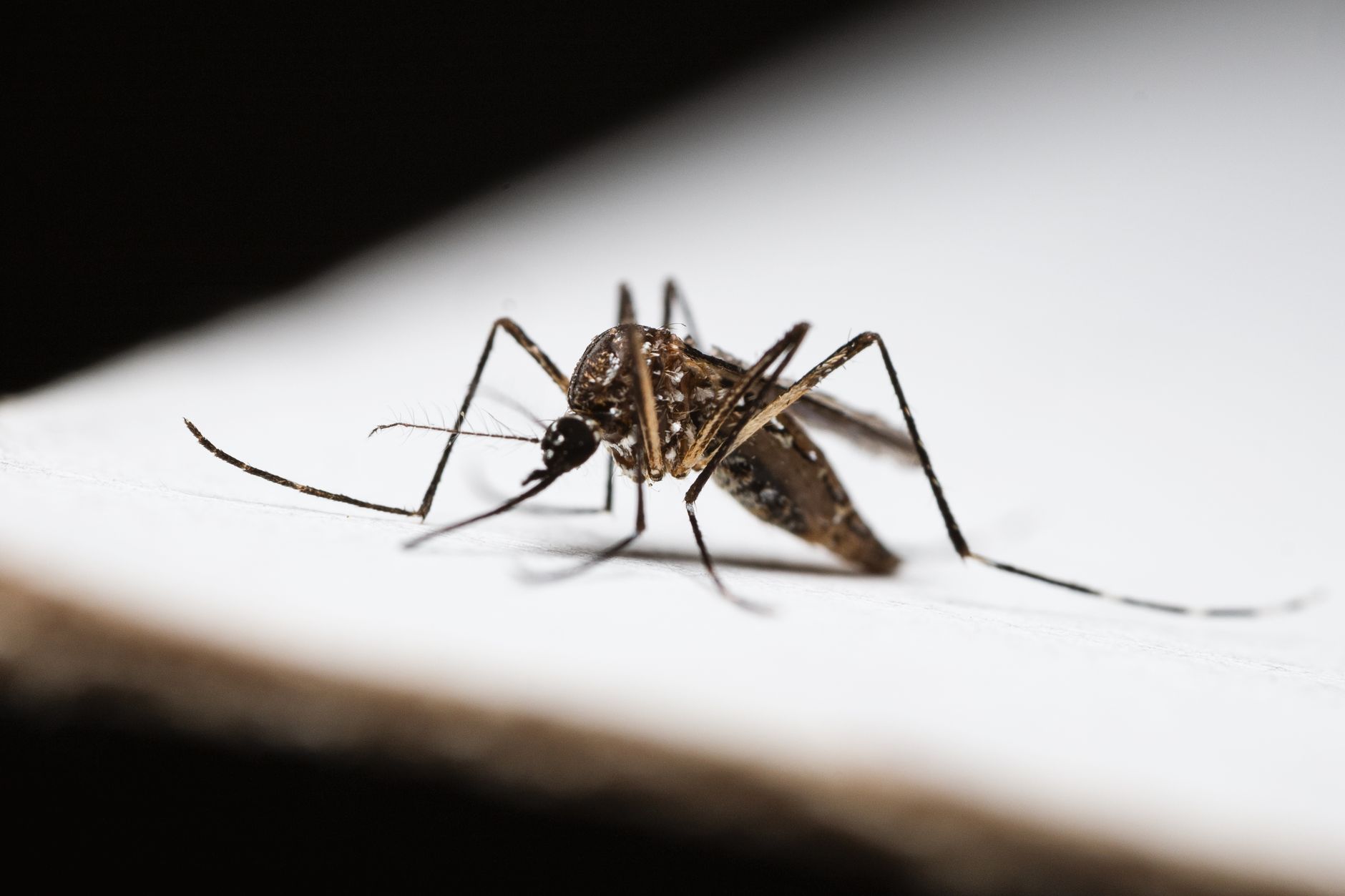
Dengue fever is a mosquito-borne viral infection transmitted primarily by the Aedes aegypti mosquito. The disease causes high fever, severe headache, pain behind the eyes, joint and muscle pain, rash, and mild bleeding. In severe cases, dengue can lead to dengue hemorrhagic fever or dengue shock syndrome, both of which can be fatal if not treated promptly.
India reports hundreds of thousands of dengue cases annually, with numbers typically surging during and after the monsoon season when mosquito breeding intensifies. Urban and semi-urban areas are particularly vulnerable due to water stagnation and dense populations. The disease places significant burden on healthcare systems and affects productivity, making prevention strategies crucial.
What is Qdenga and How Does It Work
Qdenga is a live-attenuated tetravalent dengue vaccine, meaning it contains weakened forms of all four dengue virus serotypes (DENV-1, DENV-2, DENV-3, and DENV-4). This is important because infection with one serotype does not provide long-term immunity against the others, and subsequent infections with different serotypes can increase the risk of severe dengue.
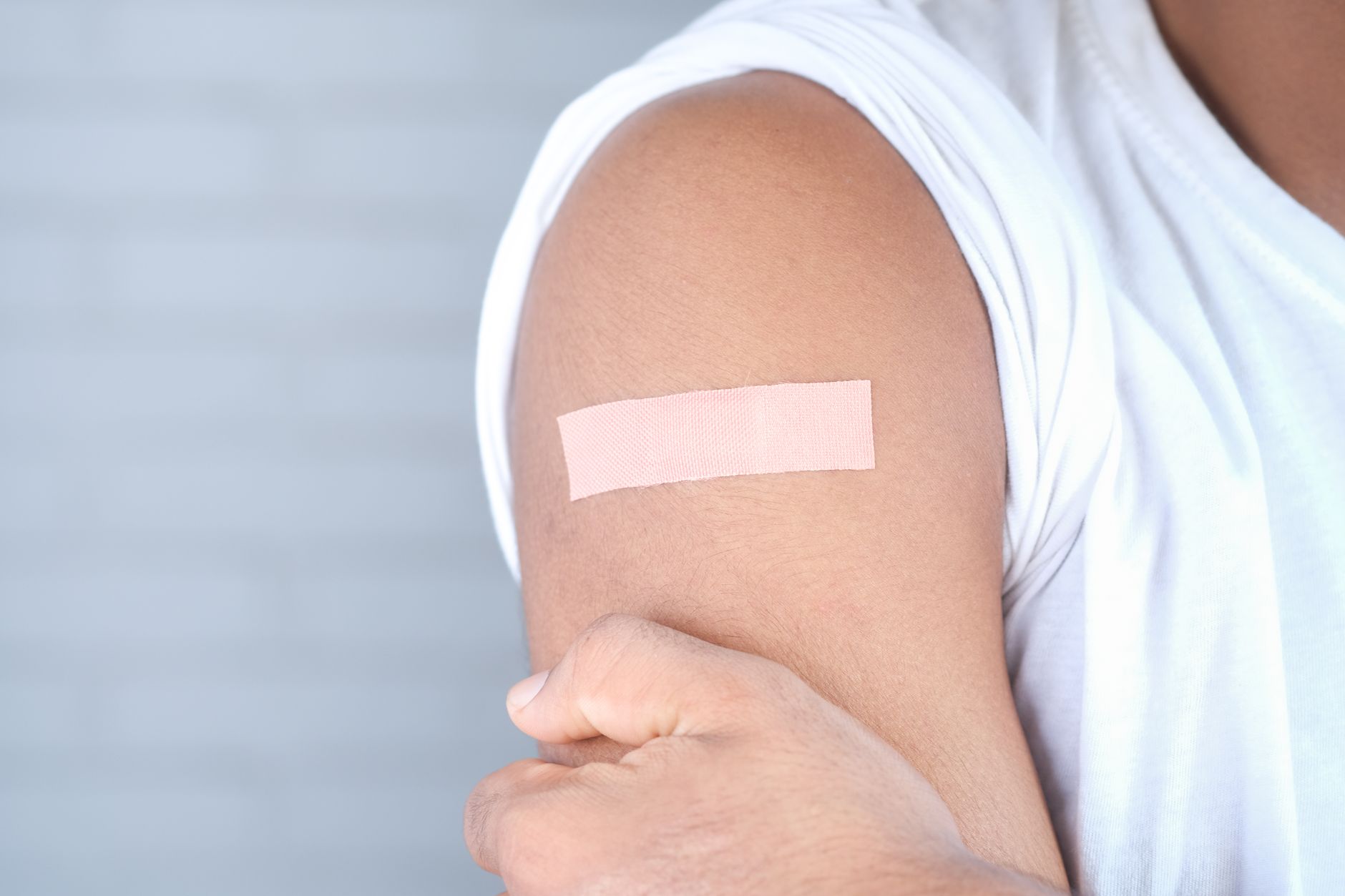
The vaccine works by stimulating the immune system to produce antibodies against all four dengue virus types. It is administered as two doses given three months apart through subcutaneous injection. By providing protection against multiple serotypes, Qdenga aims to reduce both the incidence of dengue infections and the severity of disease in vaccinated individuals.
Who Can Receive the Vaccine
The DCGI approval covers individuals between 4 and 60 years of age, regardless of whether they have previously been infected with dengue. This is a significant advantage, as some earlier dengue vaccines required evidence of prior infection before administration. The broad age range means that both children, who are particularly vulnerable to severe dengue, and adults can benefit from vaccination.
However, the vaccine may not be suitable for everyone. Pregnant women, individuals with severely compromised immune systems, and those with certain medical conditions may need to consult their healthcare providers before vaccination. Healthcare professionals will assess individual risk factors and determine eligibility.
Global Experience with Qdenga
Qdenga has already been approved in several countries across Europe, Latin America, and Asia. Clinical trials involving thousands of participants have demonstrated the vaccine's ability to reduce dengue infections and hospitalizations. In studies conducted in dengue-endemic regions, the vaccine showed significant efficacy in preventing symptomatic dengue disease.
The European Union approved Qdenga in 2022, and it has since been introduced in countries including Indonesia, Brazil, Argentina, and Thailand. Real-world data from these countries will continue to inform best practices for vaccine deployment and help health authorities understand long-term effectiveness and safety profiles.
Implications for India's Dengue Control Strategy
The approval of Qdenga represents a new tool in India's arsenal against dengue, complementing existing prevention measures such as mosquito control, public awareness campaigns, and surveillance systems. However, vaccination alone is not a complete solution. Integrated vector management, which includes eliminating mosquito breeding sites, using mosquito repellents, and installing screens on windows, remains essential.
The availability of a dengue vaccine could be particularly beneficial for high-risk populations and in areas with recurrent dengue outbreaks. Schools, residential complexes in endemic zones, and healthcare facilities may prioritize vaccination programs for vulnerable groups.
What Happens Next
Following regulatory approval, the vaccine's manufacturer will need to determine pricing, distribution channels, and rollout strategies for the Indian market. Questions remain about whether the vaccine will be included in India's Universal Immunization Programme or remain available primarily through private healthcare providers.
Public health experts will also need to develop guidelines for vaccine administration, monitoring, and integration with existing dengue surveillance systems. Healthcare workers will require training to properly administer the vaccine and counsel patients about its benefits and limitations.
This article is for general informational purposes only and should not be considered medical advice. Consult qualified healthcare professionals for personalized guidance regarding dengue vaccination and prevention strategies appropriate for your individual circumstances.